The Minnesota Timberwolves host the Miami Heat at Target Center on Tuesday at 8:00 PM ET.
The Heat come in at 20-16 (7th in the East), while the Timberwolves are 23-13 (6th in the West). Both teams are 6-4 in their last 10 games, so yeah, this one feels like a measuring-stick type of night.
Last time out, the Heat handled the Pelicans 125-106 behind a ridiculous Norman Powell heater (34 points, nine threes), while the Timberwolves just ran the Wizards off the floor 141-115.
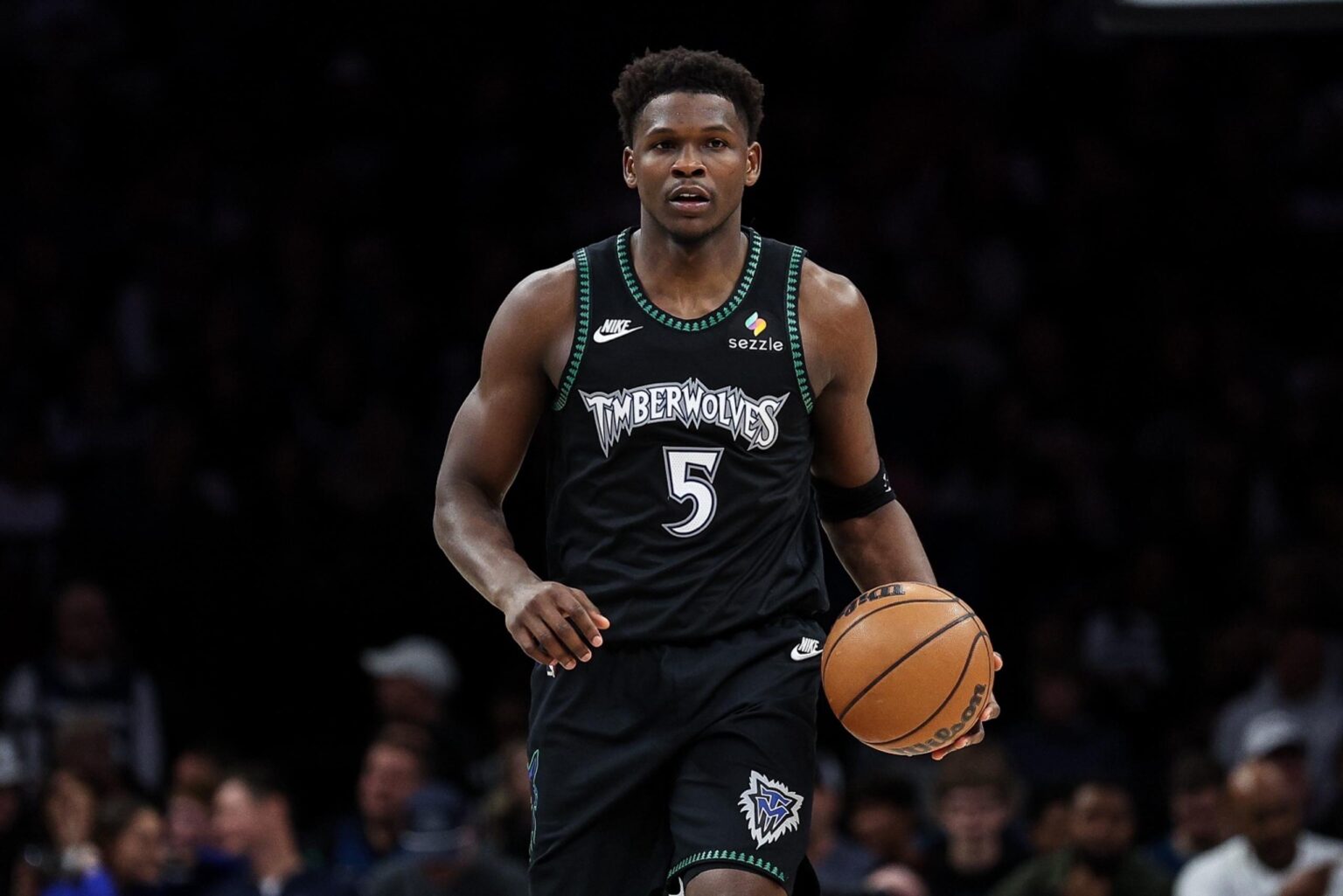
This is already the second meeting of the season series. The Timberwolves took Game 1 last week, 125-115, and now they get the rematch at home. Anthony Edwards is averaging 29.4 points per game, while Julius Randle is at 22.3 points, 6.9 rebounds, and 5.7 assists.
On the other side, Powell leads the Heat at 24.4 points per game, and Bam Adebayo is putting up 17.3 points and 9.5 rebounds.
If you like playoff-style possessions in January, this is the vibe. The Timberwolves want to keep climbing the West, and the Heat are hunting stability with a bunch of moving parts in the rotation.
Injury Report
Timberwolves
Terrence Shannon Jr.: Out (left foot abductor hallucis strain)
Heat
Terry Rozier: Out (not with team)
Tyler Herro: Questionable (right big toe contusion)
Jaime Jaquez Jr.: Questionable (right ankle sprain)
Nikola Jovic: Probable (left groin contusion)
Keshad Johnson: Probable (low back spasms)
Bam Adebayo: Available (lower back soreness)
Norman Powell: Available (right hamstring strain)
Pelle Larsson: Available (right ankle sprain)
Dru Smith: Available (right elbow soreness)
Why The Timberwolves Have The Advantage
First thing: they’re at home, and they’ve been good there (12-6). The Heat are 7-10 on the road, which matters when you’re walking into a building where the Timberwolves want to turn every miss into a track meet.
Stat-wise, the Timberwolves can flat-out score. They’re putting up 119.6 points per game on 48.1% from the field, and they’re not some clunky, midrange-only group either, they hit 36.4% from three while playing fast enough to keep pressure on your transition defense.
The swing factor to me is how many clean looks Edwards gets when the Timberwolves run their spread actions with Randle as the connector. Edwards is at 29.4 a night on 50.6% shooting and 40.0% from three, that’s superstar stuff. If the Heat tilt too hard to the ball, the Timberwolves have enough shooting and cutting to punish the rotations.
Defensively, the Timberwolves also have the kind of profile that can travel into a grinder game. They’ve held opponents to 35.1% from three this season, and that matters a ton against a Heat team that loves to win the math with volume threes and extra possessions.
Why The Heat Have The Advantage
The Heat’s case is simple: offense, spacing, and chaos. They’re scoring 120.8 points per game while shooting 47.3% from the field and 37.2% from three, plus they move it (28.7 assists per game). If they get you scrambling, they can bury you in a three-point avalanche fast.
And that’s where Powell is such a problem. The Timberwolves just saw it in Game 1, and then he followed it by detonating the Pelicans with nine threes. When he’s hitting like that, the Heat’s whole playbook expands because you can’t load up early help anywhere.
I also like the Heat’s ability to manufacture ugly possessions. In that Pelicans game, they won the turnover battle with 19 steals, and that’s exactly how they survive on nights when the half-court gets sticky. If they turn this into a “do you really want to dribble vs pressure for 48 minutes?” game, the Heat can steal quarters.
The big question is availability. If Herro plays, it’s another shot-maker the Timberwolves have to chase. If he sits again, the Heat basically need Powell to be nuclear and the role guys to win the margin plays.
X-Factors
Naz Reid is the Timberwolves’ cheat code in this matchup. He’s at 14.3 points and 6.2 rebounds per game, and his spacing forces the Heat’s bigs into decisions they hate making. If Reid hits early threes, the Heat can’t just live in help positions against Edwards.
Jaden McDaniels feels like the “quietly decides the game” dude. He’s putting up 14.4 points a night on 50.8% shooting and 41.8% from three, and he’s one of the few wings on the Timberwolves who can credibly guard up a position without immediately needing a double. If he wins his minutes on both ends, the Heat’s margin shrinks fast.
Mike Conley is the swing for pace and control. His scoring is down (5.1 points per game), but if he takes care of the ball and keeps the Timberwolves organized when Edwards sits, the Heat don’t get those momentum theft runs they live for.
For the Heat, Kel’el Ware is a massive deal here. He’s at 12.4 points and 10.6 rebounds per game, and the rebounding battle is the one place the Heat can’t afford to get punked. If Ware holds his ground on the glass, the Heat can keep the game in the half-court where they’re comfortable.
Davion Mitchell is another one. He’s averaging 7.4 assists per game, and he’s the engine for their pressure style because he can push tempo, spray it out, and still defend like a maniac at the point of attack. If he turns this into a sloppy game, the Heat’s upset chances get real.
Pelle Larsson is the sneaky one. He’s at 9.5 points and 3.4 assists per game, and if he gives the Heat one extra two-way wing performance, it lets them keep fresh bodies on Edwards without dying offensively.
Prediction
I’m taking the Timberwolves. The home edge matters, and I trust their shot creation more when the game gets tight, especially with Edwards playing at this level. If Herro sits or is limited, I think the Heat end up needing a perfect Powell shooting night again, and that’s just a brutal way to live on the road.
Prediction: Timberwolves 121, Heat 114