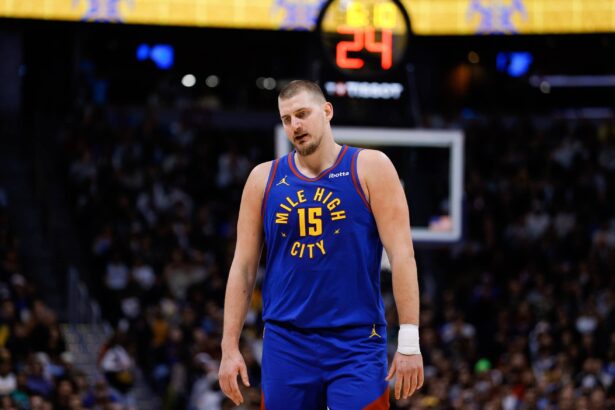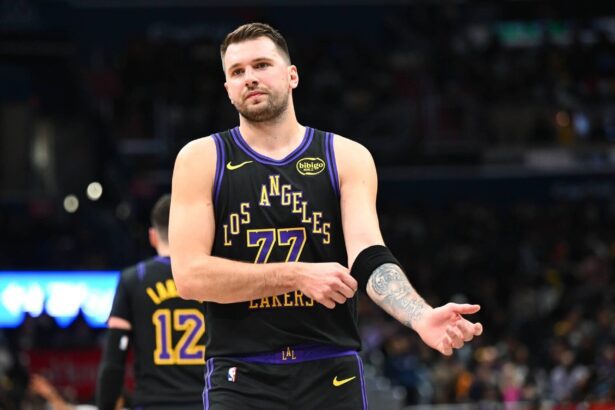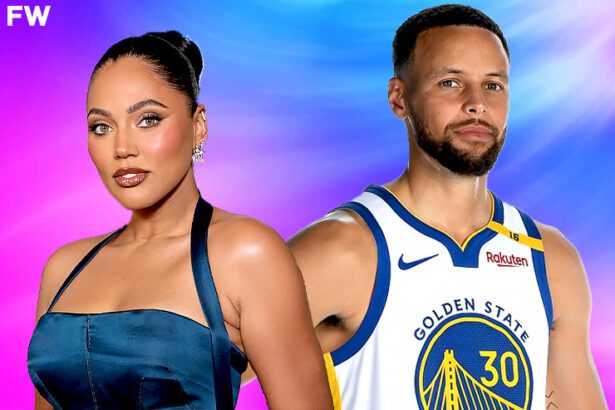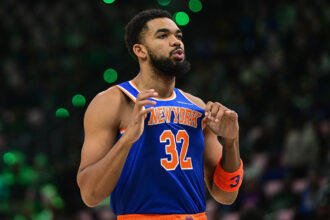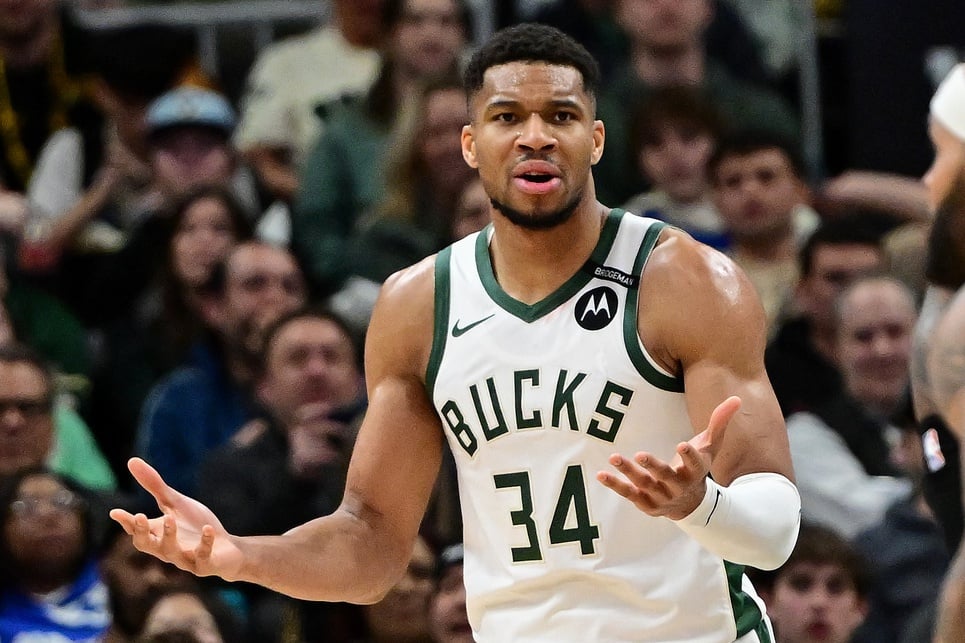
The 2026 trade deadline had the two names everyone kept waiting on: Giannis Antetokounmpo and Ja Morant. The chatter was loud, the hypothetical packages were endless, and the league felt like it was one phone call away from a franchise-altering shocker. Then the clock hit 3 p.m. ET, and both stayed put.
The Bucks kept their superstar. The Grizzlies held onto theirs, moving Jaren Jackson Jr. instead. That alone shaped the entire deadline, because it forced contenders and sellers to pivot into Plan B, Plan C, or just pure chaos.
That’s what this story is about: the blockbuster trades that were plausible enough to be discussed, logical enough to make sense on paper, and dramatic enough that the league would have looked different the next morning. Here are six deadline deals that never happened, but would have been incredible to see.
The Kings Landing Jonathan Kuminga
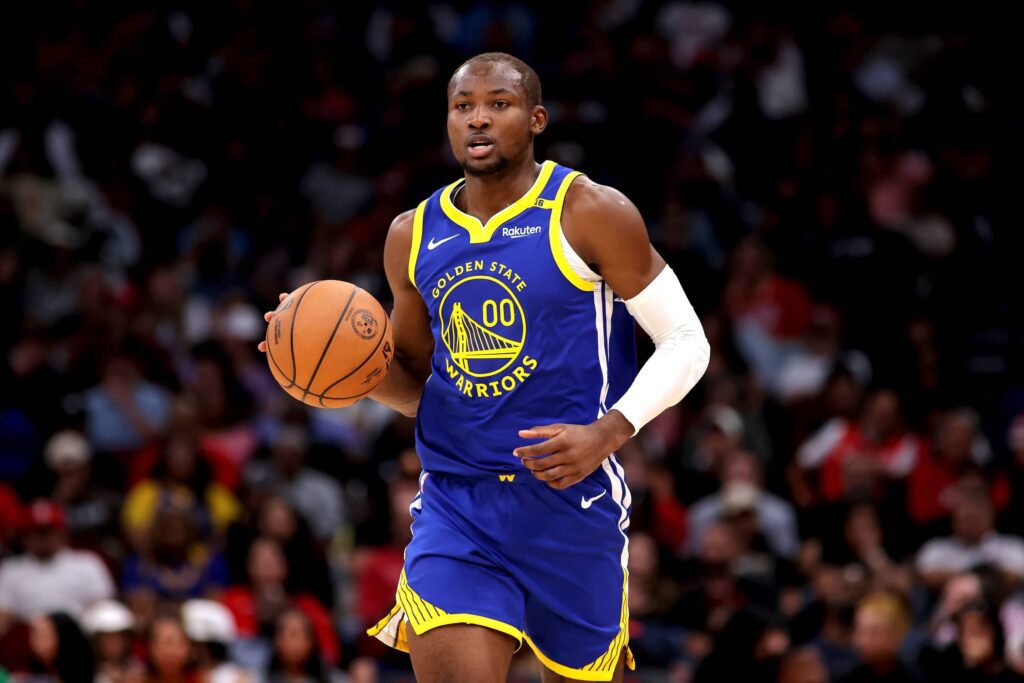
The Kings were one of the cleanest “makes sense” teams in the Jonathan Kuminga rumor cycle, mostly because they had been chasing him since the past offseason. By the time the deadline arrived, the Kings were 12-44 and sitting 15th in the West, a season that had already moved from disappointing to directionless.
When you’re that far down the standings, a deadline swing is not about a two-month upgrade. It’s about grabbing a player with real upside before he hits a new price point. Kuminga checked every box: still young, explosive athlete, can guard multiple spots when he’s locked in, and good enough offensively to grow into a bigger role if the minutes are consistent.
That last part is where the issues started with the Warriors. Kuminga’s season became a constant tug-of-war between talent and role. The reporting around the deadline made it clear the interest was real, but the fit between the teams was messy. Jake Fischer reported the Kings were among the teams monitoring Kuminga, with the expectation around the league that he could be moved by the deadline. Anthony Slater’s reporting also framed a key obstacle: the Warriors didn’t want the kind of multiyear guard money the Kings could reasonably include, which cut into the cleanest matching constructions.
On the floor, Kuminga’s numbers explain why the Kings kept coming up in chatter. He was at 12.1 points, 5.9 rebounds, and 2.5 assists in 23.8 minutes, shooting 45.4% from the field and 32.1% from three. That’s not star production, but it’s the exact profile rebuilding teams chase: a wing who can score without being spoon-fed, finish plays above the rim, and eventually scale into tougher matchups.
From the Kings’ perspective, the pitch was simple. Give him a bigger runway, let him play through mistakes, and see if he becomes a core piece instead of a rotation question mark. From the Warriors’ perspective, the pitch was different: they wanted a move that clarified the roster right now, not a deal that left them holding long-term salary they didn’t value.
That’s why the Kings idea stayed hypothetical. When the deadline hit, Kuminga didn’t end up in a Kings jersey. He ended up on the Hawks, with the Warriors choosing a win-now return built around Kristaps Porzingis in the headline move.
The Lakers Taking A Swing On Andrew Wiggins
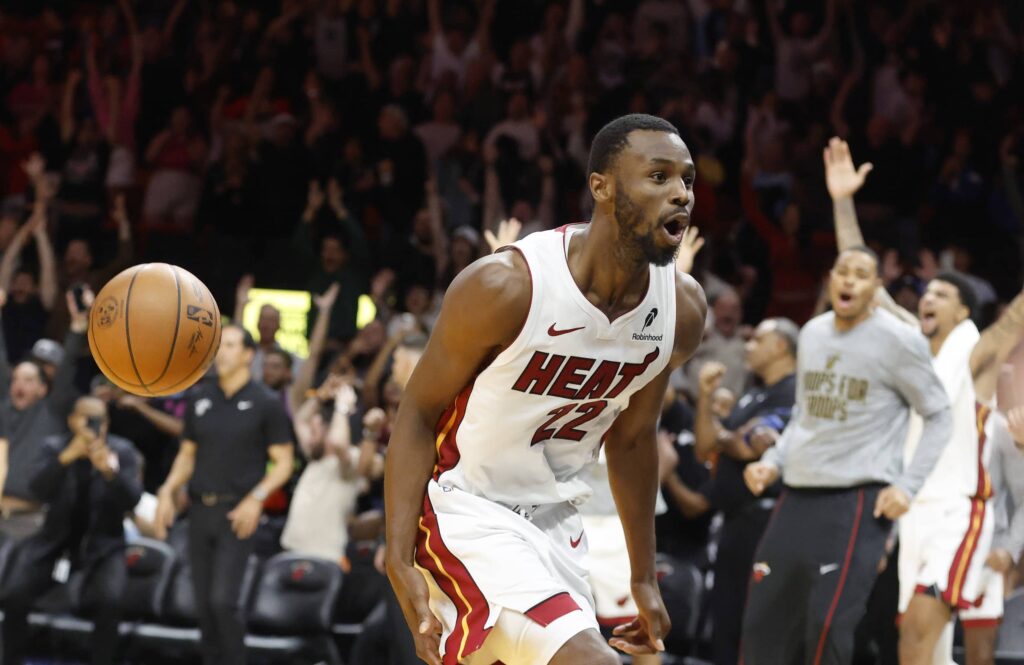
The Lakers felt like a natural team to call about Andrew Wiggins, even if it never got to the finish line. The deadline was defined by star-level names that stayed put, but the middle class mattered too. For the Lakers, that “middle class” target was a wing who could defend up a position, hit open threes, and take some of the perimeter burden off LeBron James.
At the time, the Lakers were 32-21 and sitting in the top half of the West playoff picture, good enough to think big, but not good enough to ignore roster holes. The need was obvious on film. When the Lakers weren’t getting clean offense, their margin for error came down to defense and transition. That’s where Wiggins made sense: a real, playoff-capable wing defender who can live on the opposing team’s best scorer for long stretches without needing the offense to be built around him.
The rumors weren’t random fan talk either. The reporting had Wiggins on the list of names connected to the Lakers as the deadline approached, with the idea built around upgrading the two-way wing spot without blowing up the core. The logic was simple. If the Lakers could add a wing who doesn’t need the ball, it would let their creators breathe and keep lineups more balanced when the second unit hits the floor.
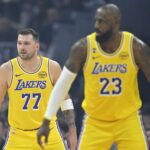
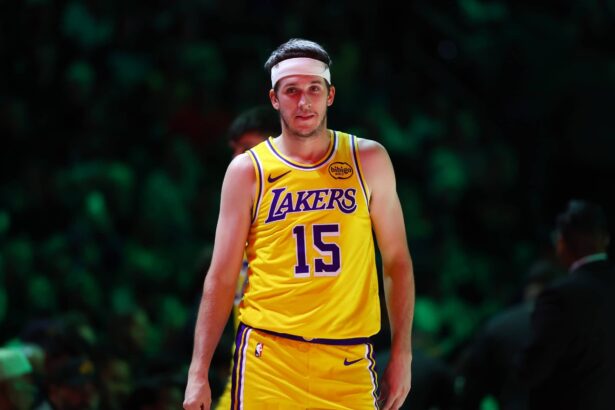
Wiggins’ 2025-26 production shows why teams kept circling. He’s at 15.9 points, 5.0 rebounds, and 2.8 assists per game, shooting 47.1% from the field and sitting around 56-57% true shooting. That’s not a star line, but it’s strong for a player whose real value is surviving tough matchups, switching across positions, and still giving you 15 points when the game opens up. The best version of the Lakers with Wiggins is pretty clean: LeBron James and Luka Doncic, plus Austin Reaves, run the offense, Wiggins takes the hardest wing assignment, and the Lakers stop bleeding points in the non-LeBron minutes because they’re bigger, more switchable, and less fragile on the perimeter.
So why didn’t it happen? The short version is cost and structure. A Wiggins deal requires real salary mechanics, and the Lakers’ best matching pieces weren’t necessarily what the Heat wanted long-term. Plus, the Heat had cleaner incentives for Wiggins, potentially including his $26.2 million deal in a Giannis Antetokounmpo trade.
And in the end, Wiggins didn’t land with the Lakers anyway. He finished the deadline window as a Heat player, which tells you where the market actually went when it was time to sign papers, not just float ideas.
The Bulls Dreaming On Anthony Davis
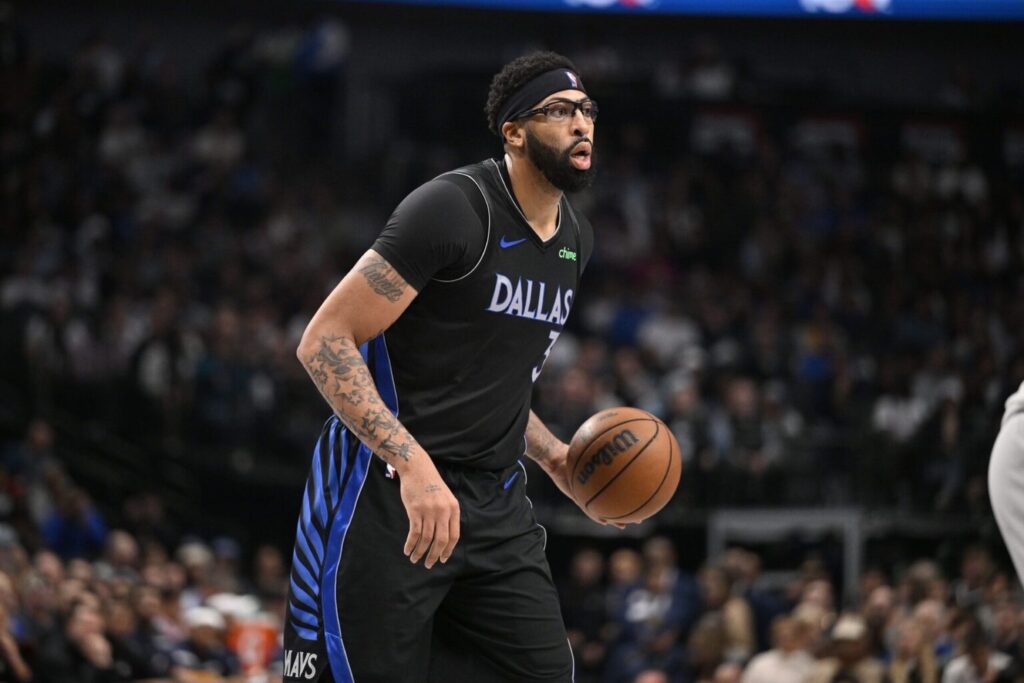
Early in the season, the Anthony Davis to the Bulls idea had real traction, mostly because it fit the story the Bulls were trying to write, with him having roots in Chicago as the new homegrown star.
They were good enough to talk themselves into the play-in mix, but flawed enough that the same problems kept showing up: shaky rim protection, not enough easy points at the basket, and a defense that needed a real anchor behind it.
That’s why, on Dec. 2, reporting tied to Jamal Collier’s ESPN work described the Bulls having “internal discussions” about Davis, while also making it clear they did not want to sacrifice their young core to chase a megastar yet.
That nuance matters. The Bulls’ interest wasn’t “go all-in, right now.” It was more like a front office sanity check: if a top big is even vaguely available, you at least game it out. Davis is still Davis when he’s healthy, and his 2025-26 line showed it. In 20 games, he averaged 20.4 points, 11.1 rebounds, and 2.8 assists, with 50.6% from the field and 1.7 blocks per game.
But the Bulls were also living in the middle, which makes these pursuits tricky. Around the break, they sat at 24-31 and 11th in the East, the exact kind of record that creates debate: push harder, or protect the timeline. And per the reporting, the Bulls weren’t ready to empty the cupboard for a veteran star until they were closer to contending, which is basically an admission that the Davis chase was more theory than active negotiation.
Then the deadline actually hit, and the league picked a different ending.
Davis didn’t go to the Bulls. He went to the Wizards in a major multi-player deal with the Mavericks, one of the biggest shocks of the week. The immediate irony is obvious: the Wizards took the swing the Bulls debated, and they did it while Davis’ health remained the swing factor. Within days, Chris Haynes reported Davis was expected to miss the rest of the season with hand and groin issues, even as Wizards decision-makers publicly pushed optimism about him returning.
So the Bulls rumor lives in that familiar deadline space. It was logical. It was discussed. It never got to paperwork. And once the Wizards stepped in, the entire conversation shifted from “would this be fun?” to “how soon can he actually play?”
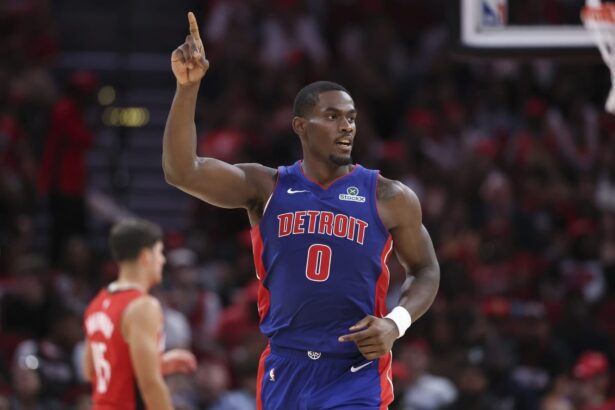
The Pistons Talking Themselves Into Lauri Markkanen
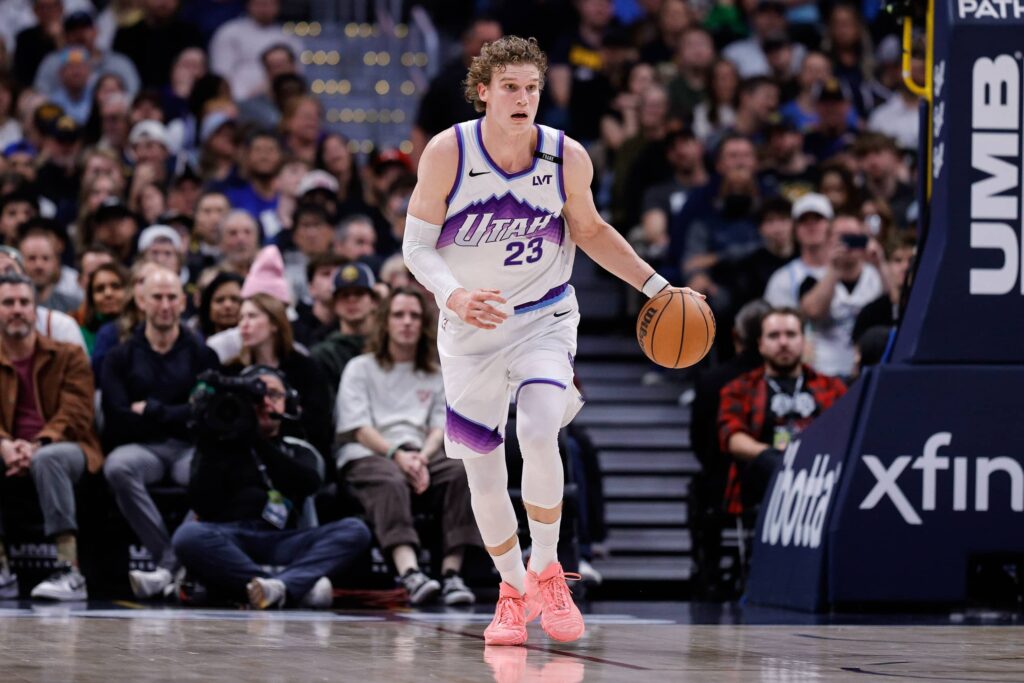
This one never had the usual reporting legs. No “team has interest” tweet. No leaked negotiations. It started the way a lot of modern trade chatter starts now: ESPN’s analysts on a podcast threw out the question of what the Pistons should be willing to give up for Lauri Markkanen, and it turned into a real debate because the basketball fit is so clean.
And the timing made it even louder. The Pistons went into the All-Star break as the No. 1 seed in the East at 40-13. When you’re leading the conference, the conversation shifts from “collect assets” to “what’s the one move that breaks the series math in May?” Markkanen is exactly that kind of theoretical add: a frontcourt scorer who can scale next to stars without needing the offense to be rebuilt around him.
Markkanen has been putting up star numbers for the Jazz. He’s at 26.7 points, 7.0 rebounds, and 2.1 assists per game, shooting 47.8% from the field, and his efficiency has stayed strong for a high-usage forward. The appeal for the Pistons is simple: you get elite size scoring without clogging the floor.
Markkanen can play as a spacer, punish switches, and still score over the top when possessions get late. That matters in the playoffs, when good defenses take away your first option and force you into “make a play anyway” basketball.
The other part is lineup geometry. The Pistons are physical, they rebound, they generate steals, and they win games with pressure and second chances. Adding Markkanen to that profile gives them a different kind of advantage: a frontcourt scorer that defenses can’t ignore on the perimeter. It’s the type of move that makes your best lineups harder to scheme against, because you’re not choosing between defense and spacing anymore. You’re trying to survive both.
Would the Jazz ever have done it? That’s the real catch, and it’s why this stayed in the fantasy world. The Jazz don’t have to move Markkanen, boasting such a competitive team now, and if they ever did, the ask would start with premium picks and real young talent. The Pistons might be first in the East, but that doesn’t mean they should pay a “desperation tax.”
Still, as a thought exercise, it’s one of the best ones. If you’re the Pistons and you’re serious about staying on top, Markkanen is the kind of theoretical swing that actually changes what a playoff series looks like.
The Heat Pivoting To Ja Morant
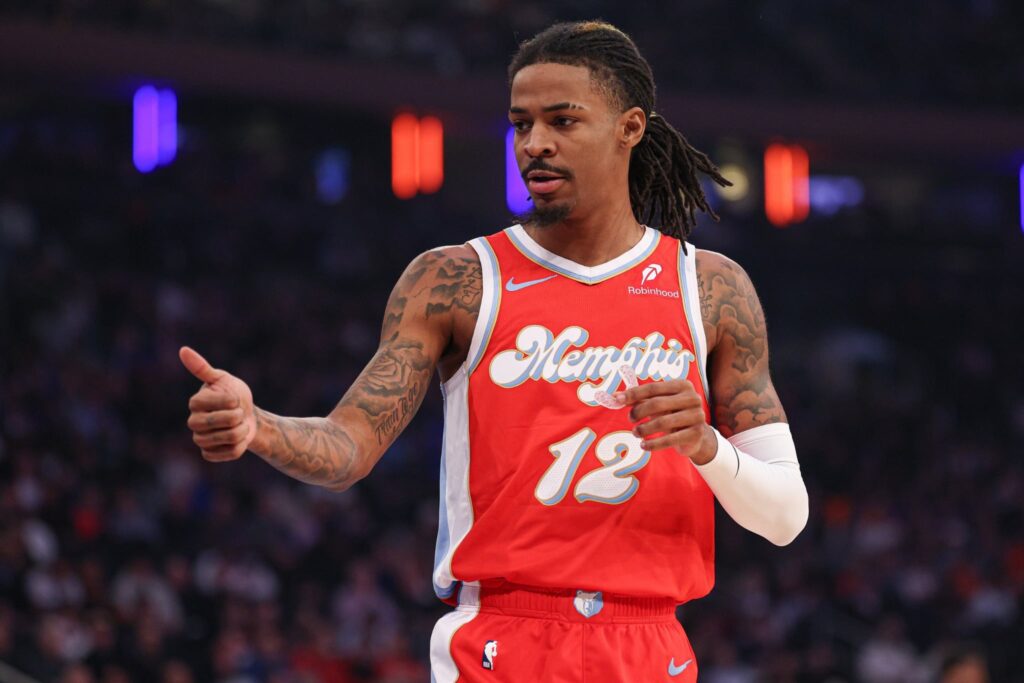
The Heat–Ja Morant buzz never felt like a clean, straight-line report. It was more like a pivot that everyone could see coming once the bigger dream scenarios started dying on the vine.
Going into deadline week, the Heat were 29-27 and sitting eighth in the East, a team good enough to matter but still missing a true downhill creator who scares good defenses every possession. That’s why the Morant idea kept resurfacing in the background. Not because the Heat were desperate for a splash. Because the roster logic almost forced them into it.
The reporting that mattered came after the deadline. The Grizzlies reportedly talked to the Heat about Morant, alongside other teams, but the discussions never got close to a deal, with Tomer Azarly citing the lack of traction. That lines up with the broader picture: the Grizzlies were open to listening, but they were hunting a very specific kind of return, picks plus young players, not messy long-term money.
From the Heat side, the appeal was obvious. Morant still bends a defense in a way very few guards can. Even in an injury-chopped season, he’s at 19.5 points and 8.1 assists per game, with a 41.0% field-goal mark. Put that pressure next to Bam Adebayo as a screener, and you get the kind of paint-touch offense the Heat have been chasing. It also would have shifted the nightly math. Instead of needing perfect half-court execution, the Heat could live off rim pressure, free throws, and collapse-kick threes.
So why didn’t it happen?
First, the contract and the cost. Morant is a max-level commitment, and any team trading for him needs to be comfortable with the money and the risk. Morant is under a five-year deal that runs through 2027-28, and his 2025-26 season has been limited by injuries. The Heat is not the type of front office that makes that bet without full conviction.
Second, the Grizzlies never found a package they liked enough to actually pull the trigger. And once the deadline passed, multiple reports framed it as “talks happened, but the real action gets revisited in the offseason.”
My take: this would have been the most fun version of “Heat culture” in years, because Morant is chaos in a jersey. But it also would have been the biggest swing they could make short of a top-five player. If the Grizzlies are really serious about moving him in the summer, the Heat are the type of team that will be there again, because the fit is just too clean to ignore.
The Warriors Swinging Big For Giannis Antetokounmpo
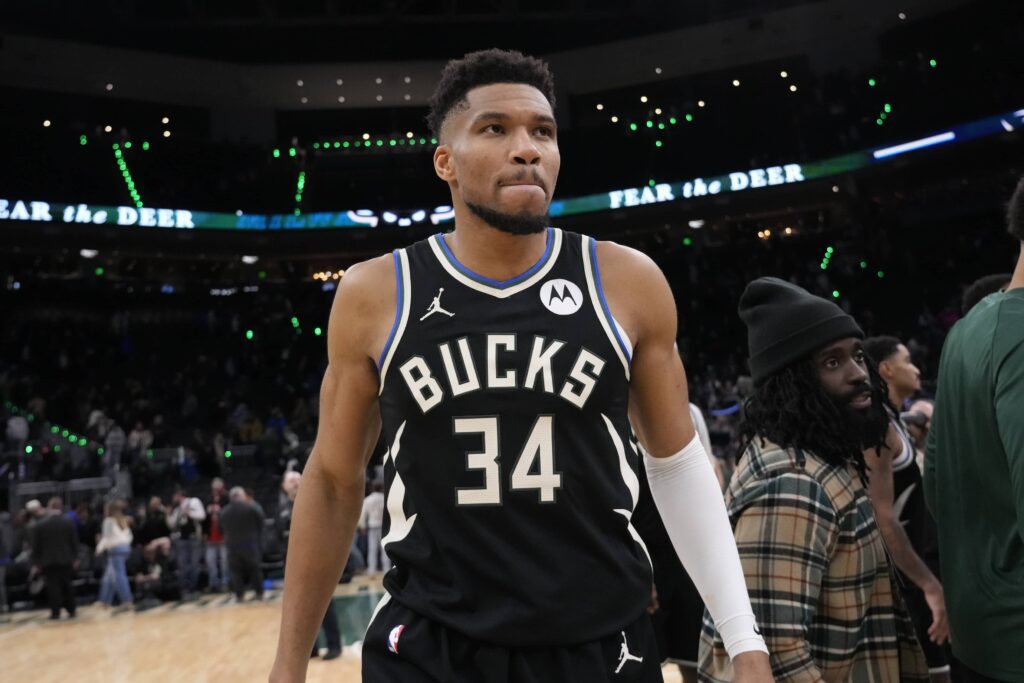
The idea of Giannis Antetokounmpo landing with the Warriors was the loudest “this could actually change the league” thread of the 2026 deadline, and it had enough real reporting behind it to feel more than fan fiction. The Bucks were the center of the entire market, as they were at least listening as the deadline approached, and Shams Charania’s reporting for ESPN framed it as teams making aggressive offers even if the Bucks still didn’t feel urgency to pull the trigger.
From the Warriors’ side, the basketball logic was almost too obvious. Stephen Curry is still the sport’s most warping offensive player, but the Warriors needed a second engine that could win possessions when opponents load up on Curry. Giannis is that engine. He would have given them rim pressure every trip, forced rotations, and turned the Warriors into a matchup problem that doesn’t exist in the current NBA: elite shooting plus the best downhill forward alive.
And Giannis was still playing at an MVP level when healthy. He’s posting 28.0 points, 10.0 rebounds, and 5.6 assists in 30 games, before a right calf strain took him out of the All-Star Game. That kind of production is why this wasn’t just a “nice fit.” It was the one move that could have flipped the Warriors from “dangerous” to “favorite.”
So why didn’t it happen? Because the Bucks set a monster price and, at the end of the day, acted like a team that still believes its best option is keeping the superstar and re-evaluating later. Reporting around the deadline consistently pointed to the Bucks telling teams Giannis wasn’t moving before the buzzer, with the expectation that the bigger conversations could reopen in the offseason.
The other part is the Warriors’ own pivot. Once it became clear the Giannis door wasn’t opening, the Warriors moved fast for a different kind of consolidation, landing Kristaps Porzingis and effectively ending the Giannis chase for that window. NBC Sports Bay Area and other coverage framed the Porzingis move as the post-swing outcome: they took their shot, missed, then redirected.
My take: the Warriors were right to chase it. Curry plus Giannis is the kind of pairing that breaks playoff game plans. But the Bucks were never going to accept “good” for “generational,” and the Warriors didn’t have the cleanest pile of premium picks and young blue-chippers to win a bidding war. This was the blockbuster that made sense on the court, but the math of leverage never matched the hype.