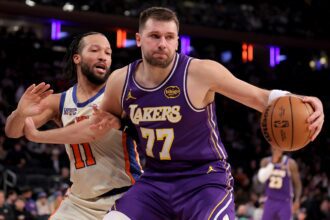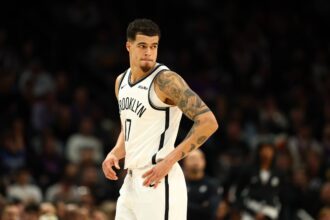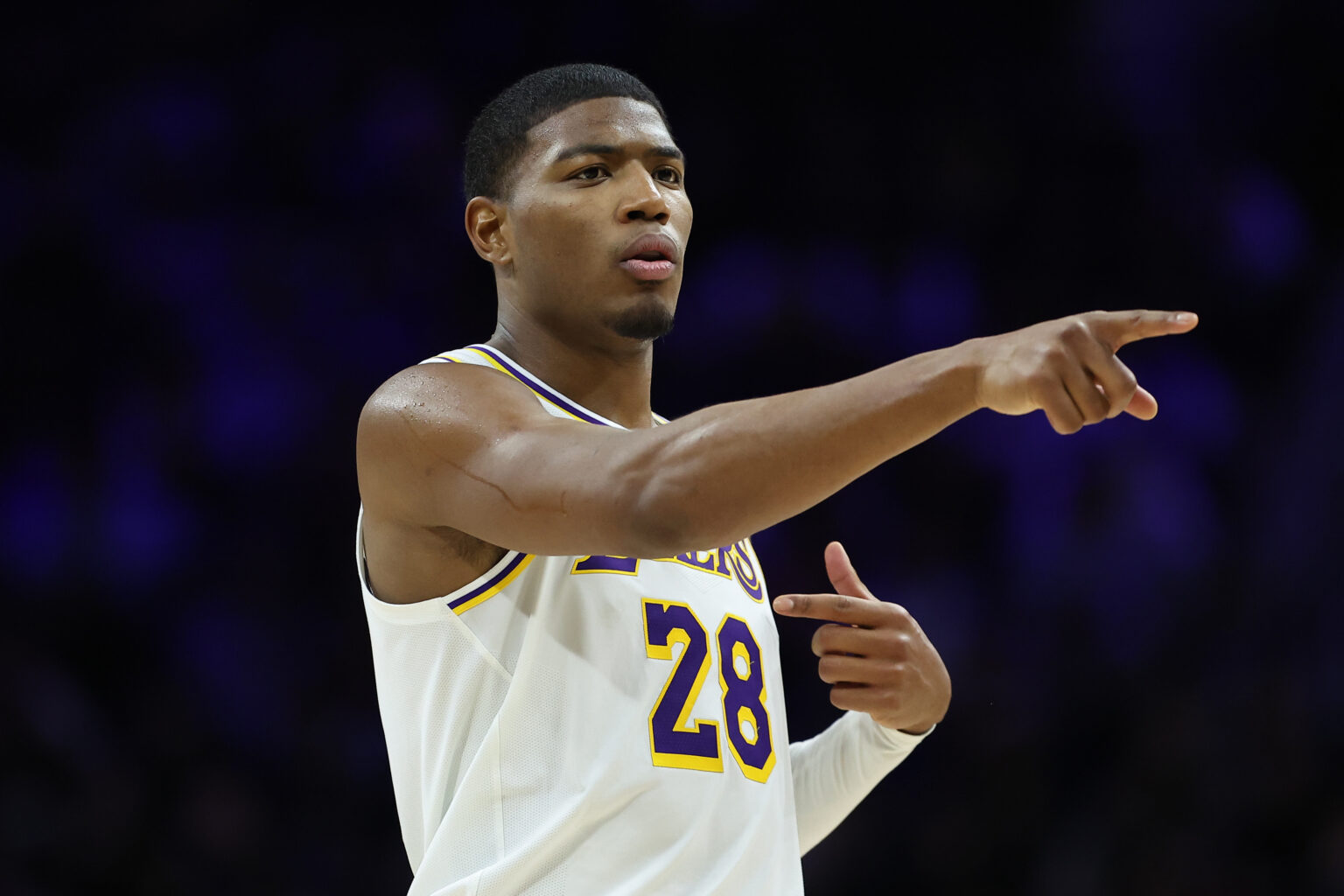
Rui Hachimura could be one of the more useful forwards available in free agency if the Lakers decide not to bring him back.
Hachimura played this past season on an $18.3 million salary and averaged 15.1 points, 5.3 rebounds, and 1.5 assists while shooting 49.8% from the field and 39.2% from three. At 6-foot-8, he gives teams size, spot-up shooting, mid-range scoring, and enough strength to punish smaller defenders.
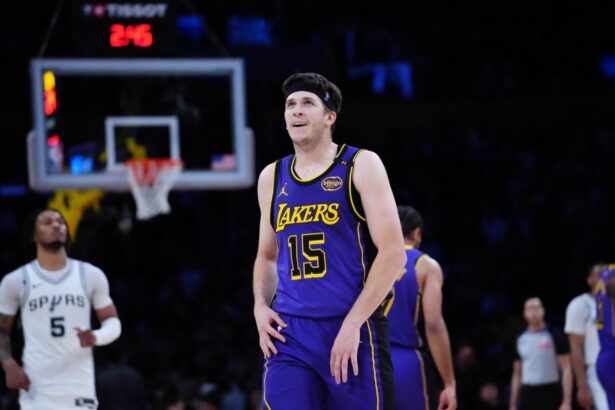
The problem is cost and role. Hachimura is a good offensive forward, but he is not a high-level defender, creator, or rebounder for his position. That makes his next contract important. If his market climbs too high, the Lakers may prefer to use their money elsewhere, especially with bigger roster questions around Luka Doncic, Austin Reaves, and the center position.
For other teams, Hachimura still makes sense. He can help a weak offense, play next to a high-usage star, and give second units a reliable scoring forward. He is not the missing piece for every contender, but he is good enough to start for some teams and strong enough to be a major bench scorer for others.
Here are five potential landing spots for Rui Hachimura as he enters the free agency market following his season with the Lakers.
5. Chicago Bulls
The Bulls make sense if Rui Hachimura wants a larger offensive role without joining a full reset.
They are projected to have major 2026 cap space, and that matters because Hachimura is not a mid-level signing. He had signed a three-year, $51.0 million deal with the Lakers in 2023. His next contract should land in starter-money range if his market holds, especially after a strong shooting season and a productive playoff run.
The basketball fit is direct. The Bulls need size, scoring, and forward stability. Hachimura would give them a 6-foot-8 scorer who can play at either forward spot, attack smaller defenders, and work as a spot-up option next to their guards. He is not a primary creator, but he can help an offense that needs more reliable half-court scoring.
The concern is defense. Hachimura is strong, but he is not the type of wing stopper who changes a team’s identity. If the Bulls pay him like a long-term starter in the $20.0-24.0 million range, they must be sure he can hold up in playoff matchups against quicker forwards and more dynamic guards.
Still, this is a reasonable landing spot. The Bulls have the money, the need, and the offensive touches to give Hachimura a bigger role than he had with the Lakers.
4. Brooklyn Nets
The Nets are another logical cap-space team.
According to Keith Smith of Spotrac, the Nets are projected to have one of the largest cap-space pools in 2026, around $46.9 million. That puts them in position to chase a major free agent or split their money across multiple rotation pieces. Hachimura fits the second path better.
He would not solve everything for the Nets, but he would give them a professional forward who can score without needing the offense built around him. The Nets need more players who can pressure defenses without killing spacing, and Hachimura checks that box.
The question is whether this is the right stage for him. If the Nets are drifting away from Michael Porter Jr. and Nic Claxton to kickstart a full scale rebuild, giving a long-term contract to a 28-year-old forward makes less sense. A deal near his previous salary range is fine if the Nets want to stack some veteran help for their sophomores. A major overpay would not fit a slower timeline.
For Hachimura, this could be a place to expand his role. He would get more shots, more touches, and less pressure than he had with the Lakers. For the Nets, he would be a stable scorer who can help raise the floor without forcing them into a star-level commitment.
3. Charlotte Hornets
The Hornets need more serious veteran presence, and Hachimura fits that need.
Their roster has guard talent, young size, and scoring upside, but they still need stronger leadership pieces around the core. Hachimura is not a lockdown defender for their defensive struggles, but he brings NBA-ready size, strength, and scoring discipline. That matters for a team that has too often depended on young players to carry roles before they are ready.
The appeal is simple. Hachimura would give the Hornets a forward who can start or play heavy bench minutes without needing touches every possession. He can space the floor, finish through contact, post smaller defenders, and run in transition. That type of player helps a young offense because he does not require complicated usage.
The money would be the key. Hachimura’s $18.3 million salary last season gives a baseline for his market. If his next deal stays around that range, the Hornets should be interested. If it climbs toward a number that treats him like a top-three option, it becomes harder to justify.
The fit with Kon Knueppel, Miles Bridges, and Brandon Miller is also important. Hachimura would not take the ball away from them. He would play as a bigger forward next to that core, absorb physical defensive matchups, and add scoring from the frontcourt. That makes the lineup more stable.
The Hornets should not chase Hachimura as a franchise-changing player. They should chase him as a reliable forward who can help their young core play cleaner basketball.
2. Orlando Magic
The Magic would be one of the best basketball fits if they want more frontcourt scoring.
Their identity is defense, size, and physicality. The problem has been spacing and offensive reliability. Hachimura would not fix the guard creation issue by himself, but he would give the Magic another forward who can score efficiently without dominating the ball.
That matters next to Paolo Banchero and Franz Wagner. Hachimura can play as a weak-side scorer, punish switches, attack closeouts, and hit open threes. He also has enough size to survive in bigger lineups, which fits the Magic’s preference for length across the floor.
The question is shooting volume and defense. Hachimura has been efficient, but he is not a high-volume movement shooter. Defenses may still help off him more than they would against elite specialists. On defense, he is strong enough to guard forwards, but he is not the same level of disruptive athlete as the Magic’s best defenders.
Still, the fit is clean because the role would be simple. Hachimura would not need to be a creator. He would be asked to score against bent defenses, space the floor, and bring more mature offense to a team that already has defensive structure.
If the Magic believe their next step is adding more playoff-ready scoring around Banchero and Wagner, Hachimura should be on the board. He is not the perfect answer, but he is a realistic one.
1. Los Angeles Lakers
The Lakers remain the most logical landing spot.
Hachimura is widely believed to want to stay with the Lakers, and the team reportedly values his fit. That matters because free agency is not only about cap space. Familiarity, role, and trust often decide these mid-tier starter deals.
The case for keeping him is clear. Hachimura gives the Lakers size, efficient scoring, and shooting around Luka Doncic. He also knows the system, accepts a lower-usage role, and can play next to stars without needing the ball. That is valuable for a roster that already has major decisions around LeBron James, Austin Reaves, the center position, and overall cap flexibility.
The playoffs helped his case. Hachimura averaged 17.5 points while shooting 54.9% from the field and 56.9% from three across 10 playoff games. That kind of postseason shooting gives him real leverage, even if the Lakers were eliminated earlier than expected.
The concern is price. Hachimura is useful, but the Lakers cannot overpay every complementary player. If Reaves gets a massive deal and the front office needs money for a center or another creator, Hachimura could become the odd man out.
Still, if the number is reasonable, staying makes the most sense for both sides. Hachimura has a defined role, the Lakers need his size and shooting, and the market may not offer a better basketball situation.