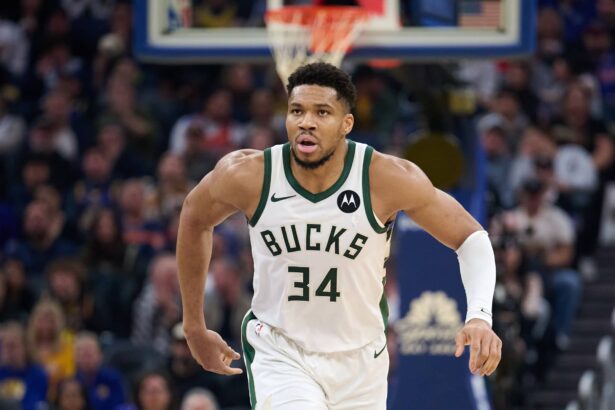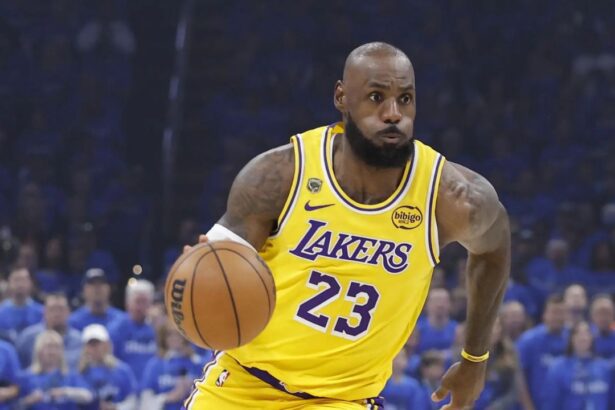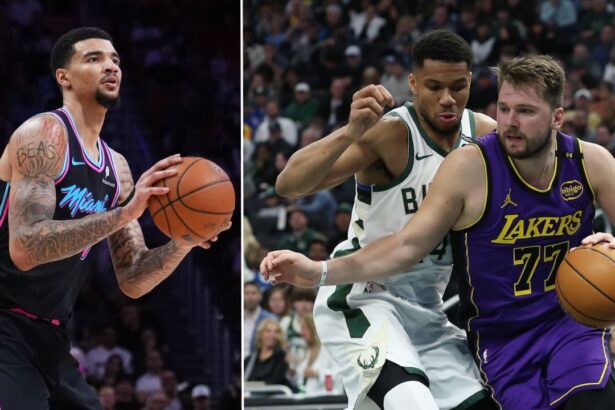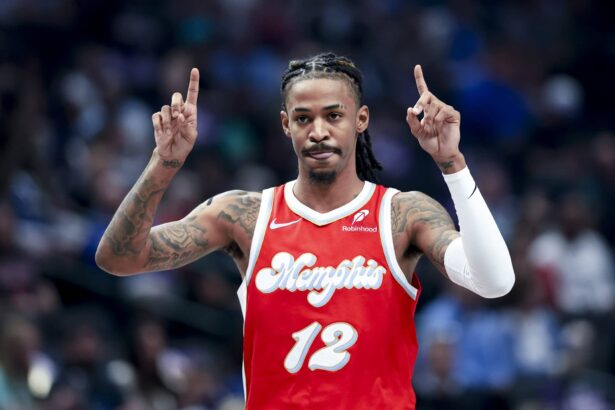
The Los Angeles Lakers are 21-11 and sitting fifth in the West, but the last couple of days basically screamed the same message twice: they can win, yet they’re still walking a tightrope.
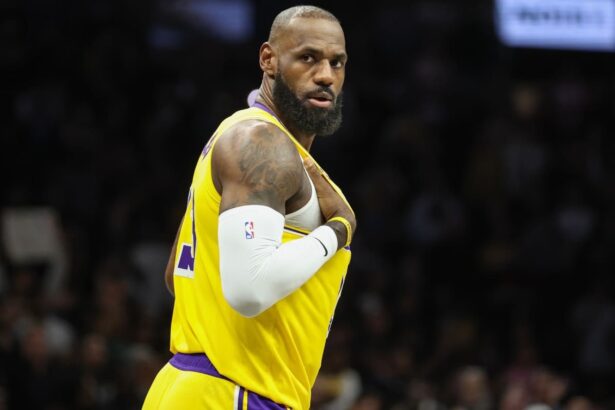
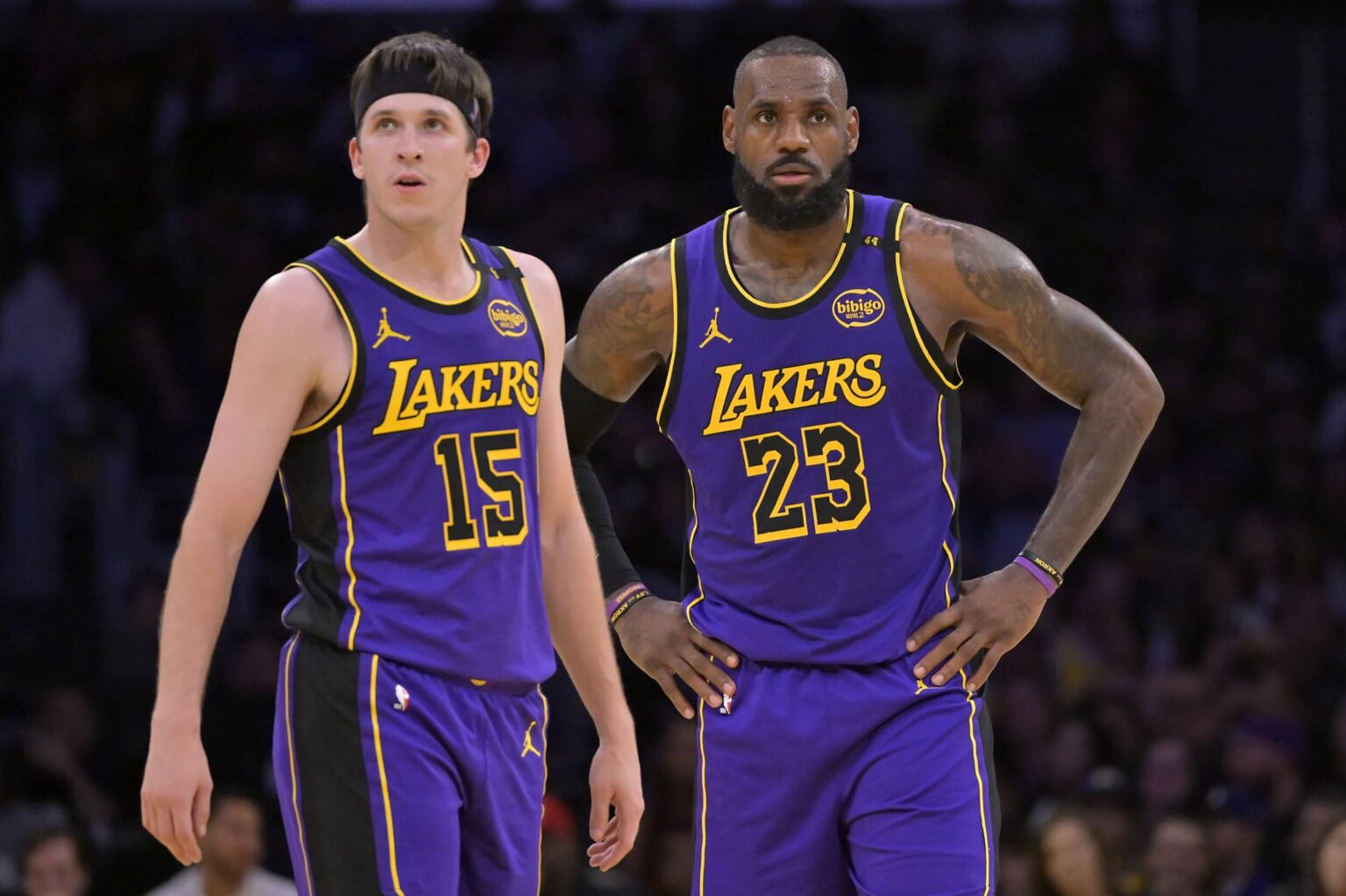
They just rallied past the Memphis Grizzlies 120-114 on Sunday night behind Luka Doncic and LeBron James, after beating them 128-121 on Friday, and both games had stretches where the Lakers looked way too easy to score on and way too dependent on star shot-making to stabilize things.
That’s why the deadline shopping list feels obvious. They need a real center, and they need a real shooter, preferably someone defenses actually fear, not just a guy who “can hit open ones sometimes.”
The Lakers have even been linked to a defensive wing in Dillon Brooks, with Bleacher Report flagging him as a trade target as the team searches for ways to patch up its shakier defense. If they’re already sniffing around that tier of upgrades, it’s not a leap to think they’ll try to solve multiple holes at once.
The center spot is the scariest one because it feels fragile. Deandre Ayton has already dealt with left elbow soreness this season, enough to miss time, and when he’s not available, the Lakers don’t exactly have a clean “next man up” option who can soak real minutes without the whole structure collapsing.
That’s the context for these two ideas: one move to stabilize the frontcourt, one move to add shooting, and ideally a plan that keeps the Lakers from having to play January and February like it’s a nightly survival exercise.
1. The “Real Backup Big” Swing
Los Angeles Lakers Receive: Robert Williams III
Portland Trail Blazers Receive: Gabe Vincent, Adou Thiero, 2031 pick swap
This is the kind of move that quietly changes the Lakers’ season because it fixes the scariest problem on the roster: the minutes when they need a real center who can protect the rim, rebound, and survive physical basketball without the whole defense bending.
Robert Williams III isn’t a “plug-in starter” type. He’s a defensive event. Even in a limited role this season, he’s averaging 6.0 points, 6.4 rebounds, and 0.8 blocks while shooting 69.2% from the field.
The scoring barely matters. The value is what he does to the paint. He deters drives, cleans up messes, and gives your perimeter defenders permission to actually press up instead of sitting back and praying.
For the Lakers, the fit is simple. Their lineups need a second rim presence so they don’t collapse the moment the frontcourt gets thin. Williams also fits the offense without hijacking anything. He’s a screener, a dunker-spot finisher, and a lob threat. That’s exactly what you want next to a ball-dominant engine, because it creates easy points without needing extra touches.
The risk is also obvious. Williams has to stay on the floor. That’s the whole gamble. But that’s why his market can be weird. If you want the upside, you usually have to be the team willing to swallow the medical uncertainty.
The Trail Blazers’ angle is about timeline and asset conversion. If they don’t view Williams as a long-term cornerstone, turning him into a movable contract plus a cheap developmental wing is how rebuilding teams keep reshaping the roster without committing to fragile money.
The money is clean. Williams is at about $13.3 million this season. Vincent is at about $11.5 million, and Thiero is at about $1.3 million. That’s basically the exact neighborhood you need, with no extra filler and no messy gymnastics.
And yes, Vincent’s production has been underwhelming, but that’s not really the point for the Trail Blazers. He’s a contract that can be rerouted, used for flexibility, or simply held as a short-term placeholder. On the court this season, he’s at 4.7 points, 1.4 assists, and 35.0% from the field. That’s not why you trade for him. You trade for the optionality.
Thiero is the lottery-ticket piece. The box score is tiny, 1.3 points and 1.2 rebounds, but he’s young, cheap, and easy to keep on the books while you evaluate him. Rebuilding teams take those swings every time, because one hit can change your rotation cost structure for years.
For the Lakers, the pitch is blunt. This is the type of center they’ve been missing in the “oh no, we need real defense now” minutes. If Williams holds up physically, the Lakers stop bleeding easy paint points and start winning those ugly games that decide playoff series.
2. The “Movement Shooter” Upgrade
Los Angeles Lakers Receive: Sam Merrill
Cleveland Cavaliers Receive: Jake LaRavia, Dalton Knecht
This is the shooter trade that actually changes how teams are allowed to guard the Lakers.
Sam Merrill isn’t just a guy who hits open threes. He forces defenses to chase him. He’s averaging 13.3 points, 2.3 rebounds, and 2.5 assists while shooting 46.2% from the field and 43.6% from three, and he’s making 3.4 threes per game. That is real gravity. The kind that punishes helping one step too far off star actions.
That’s why the fit is so nasty. When your primary creators live in the paint and force help, the best partner isn’t a stationary corner guy. It’s a mover. Merrill runs defenders off screens, relocates, and turns “good rotations” into late closeouts. That’s how you get easier offense in playoff basketball, where everything slows down and every clean look matters.
Now the Cavaliers’ side. This is not a “dump the shooter” deal unless they truly want two bigger-wing options and are comfortable replacing shooting by committee. Merrill is on a four-year, $38 million contract, and his salary this season sits around $8.5 million. Teams don’t hand out that deal and then trade the player for nothing. So the return has to be two assets they actually like.
LaRavia is the playable rotation piece. He’s averaging 9.6 points, 4.3 rebounds, 2.0 assists, and 1.3 steals while shooting 46.6% from the field. He gives the Cavaliers size, activity, and a different wing profile than a pure specialist. The 3-point percentage, 32.7%, isn’t pretty, but the two-way impact is the hook.
Dalton Knecht is the upside swing. He’s at 5.4 points and 1.8 rebounds, and his efficiency has been uneven, but he’s also a young shooter archetype who can grow into a real rotation piece with time and reps. That’s the kind of prospect a front office talks itself into when it wants a longer runway option.
This is also a reasonable “money makes sense” framework. Merrill sits around $8.5 million. LaRavia and Knecht combine into the same general range, which is why this deal even looks plausible on paper without adding random filler.
For the Lakers, the cost is clear. You’re sending out two wings, one who can play right now and one who could develop into something. But the payoff is equally clear. You’re adding a high-end movement shooter who changes spacing and forces defenses to stop cheating. That’s a playoff weapon, not a luxury.
For the Cavaliers, the bet is that wing depth and versatility matter more than one elite specialist. They’d be turning one role into two bodies. They’d also be giving themselves optionality, because wings with size are easier to mix-and-match in a seven-game series.
If the Lakers are serious about landing a shooter that actually warps coverages, this is the type of price it takes.
Final Thoughts
If the Lakers are being honest about what they need, these two deals hit the two pressure points that always show up in the playoffs: surviving non-star minutes at center and punishing teams for loading up on the stars.
The Robert Williams III trade is the one that feels most realistic, mostly because the value proposition is clean for both sides. The Lakers get a real defensive center, not a vibes backup, and they don’t have to torch their future to do it.
The Trail Blazers get a movable contract and a cheap developmental wing, and they get out of the “we’re waiting on a fragile big” cycle. The only reason this doesn’t happen is the same reason it always gets complicated with Williams, health. If he’s cleared and available, this is the kind of deal that actually gets traction.
The Sam Merrill trade is the one that feels harder, but also the one that could swing a series if it happens. Elite movement shooting is rare, and teams don’t like giving it away, especially when the contract is team-friendly enough to keep for years. That’s why the Cavaliers would need to truly want the two-wing return and believe they can replace Merrill’s gravity by committee. From the Lakers’ side, the overpay is the point. If you want a shooter that defenses actually fear, you don’t get to pay the “nice” price.
If I’m ranking them by likelihood, the center move comes first, then the shooter move. If I’m ranking them by potential impact, it’s closer than people think. Williams could fix possessions and keep the defense from collapsing. Merrill could change the spacing map and make the offense easier when it matters most. The best version of the Lakers at the deadline is honestly doing both, because one trade raises the floor and the other trade raises the ceiling.