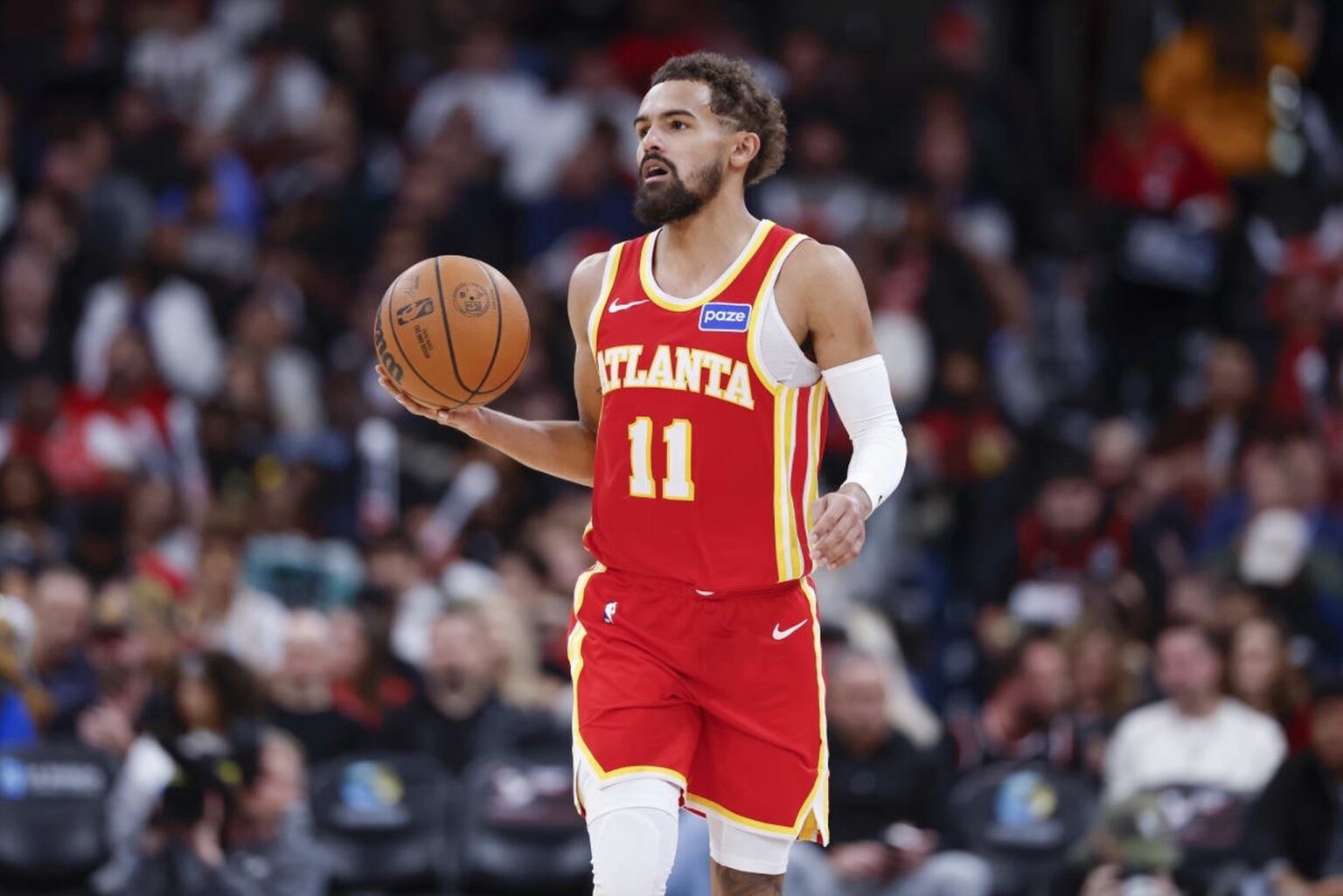
Trae Young’s time in Atlanta appears to be nearing its conclusion, closing the book on one of the most polarizing star tenures in recent franchise history. Once viewed as the unquestioned cornerstone of the Hawks, Young now finds himself at the center of an organizational shift that no longer revolves around him.
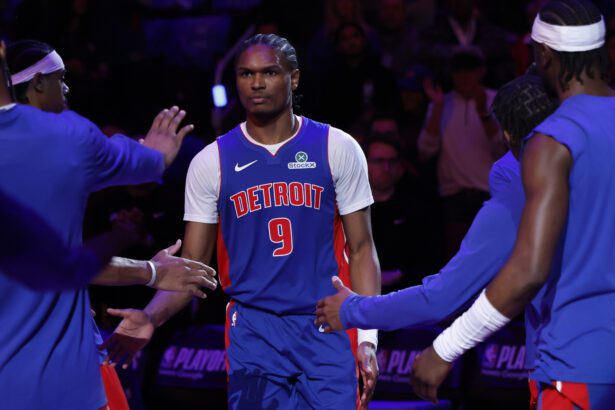
According to Shams Charania, both Young and the Hawks have quietly acknowledged that the partnership has run its course. Atlanta has pivoted toward a younger, more balanced core, building around players such as Jalen Johnson, Dyson Daniels, Nickeil Alexander-Walker, and Onyeka Okongwu while exploring trade scenarios that would allow Young to become the lead guard for another franchise. The separation has been collaborative, and the direction is clear, as the Hawks prioritize long-term flexibility over continuing to force a fit that has steadily unraveled.
From a basketball standpoint, Young remains one of the league’s most productive offensive engines. He is averaging 19.3 points, 1.5 rebounds, 8.9 assists, 1.0 steals, and 0.1 blocks per game on 41.5% shooting and 30.5% shooting from three this season, continuing to stretch defenses with deep shooting range and elite playmaking gravity. Despite the numbers, it has not been enough to push the Hawks into relevance. During his extended absence, however, Atlanta showed signs of improvement, going 15-12 compared to 2-8 in games Young has played.
With a $48.9 million player option next season, Young is entering a critical phase of his deal, and the Hawks hold limited leverage in ongoing trade talks. As it stands, Atlanta has three primary options: trade Young before the deadline, allow his contract to trend toward an expiring deal this offseason, or potentially see him opt out and free up roughly $40 million in cap space. That uncertainty has only accelerated internal discussions around timing and value.
For Young, it has been a sharp fall from his early peak. The four-time All-Star reached new heights after leading the Hawks to an Eastern Conference Finals appearance early in his career, a run that earned him a massive rookie extension. Expectations soared, but the seasons that followed brought inconsistency, coaching turnover, and roster reshuffles that never fully stabilized. While Young’s individual production remained elite, Atlanta struggled to establish a cohesive identity or sustain postseason success. This past offseason marked the official turning point, when the Hawks declined to offer Young another extension, signaling a philosophical shift and the beginning of the end of his long-term role with the franchise.
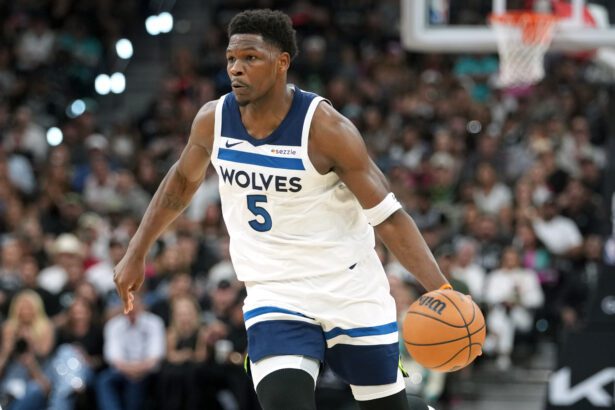
What comes next is the league’s looming question. At 27 years old, Young still profiles as a franchise-level guard capable of transforming an offense overnight, making him an attractive target for teams seeking shot creation and late-game control. Several organizations are expected to monitor the situation closely as the deadline approaches, including the Magic, Rockets, and Timberwolves, with the Washington Wizards also emerging as a heavy favorite.
For now, Young’s future remains uncertain. While both sides appear ready to move on, finding the right trade may be easier said than done. For a Hawks team caught between retooling and a breakthrough, the next decision could define the direction of the franchise for years to come.