The NBA finished the 2026 All-Star picture last night, revealing the reserves to join the starters, and now we’re just waiting on the fun part: sorting the 24 names into three actual teams on Tuesday, Feb. 3.
Here’s what got locked in.
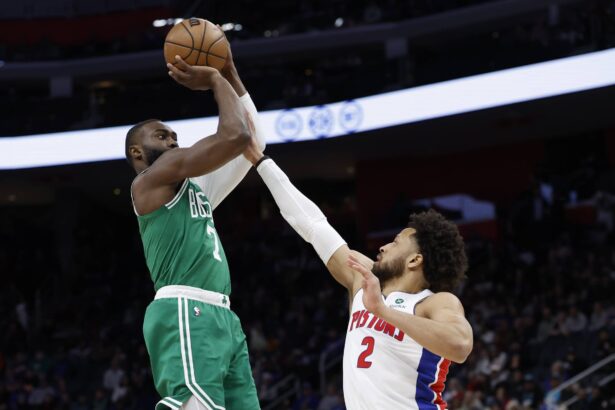
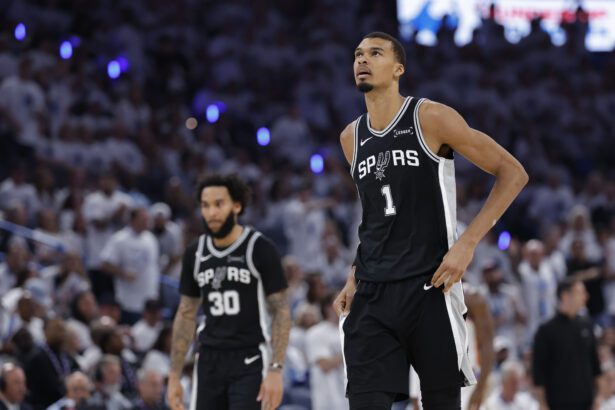
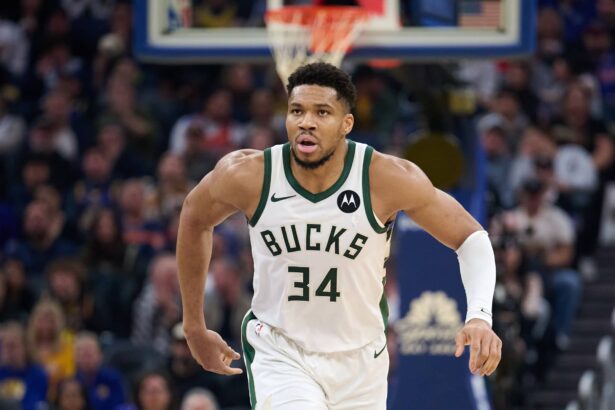
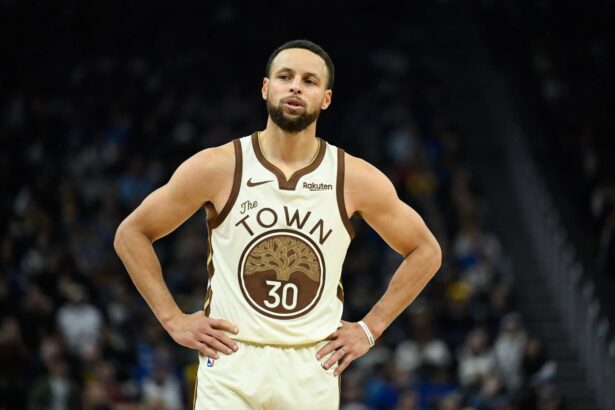
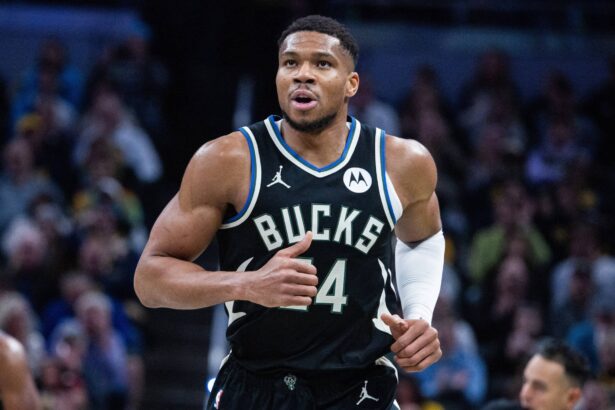
The West starters are Stephen Curry, Luka Doncic, Shai Gilgeous-Alexander, Nikola Jokic, and Victor Wembanyama. The East starters are Giannis Antetokounmpo, Jaylen Brown, Jalen Brunson, Cade Cunningham, and Tyrese Maxey.
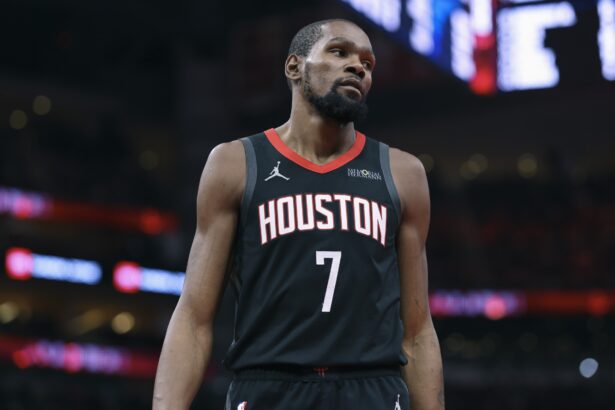
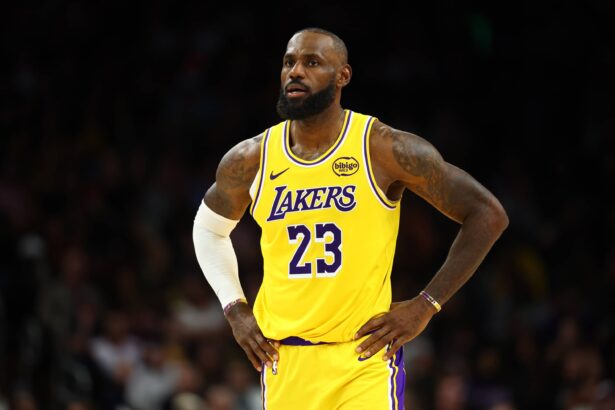
And the reserves list is stacked too: the West added LeBron James, Kevin Durant, Devin Booker, Anthony Edwards, Chet Holmgren, Jamal Murray, and Deni Avdija, while the East added Donovan Mitchell, Karl-Anthony Towns, Pascal Siakam, Scottie Barnes, Norman Powell, Jalen Duren, and Jalen Johnson.
The timing matters because this year isn’t your usual East vs. West kind of night. It’s the new tournament: two Team USA rosters plus a Team World roster, playing a round-robin of 12-minute games, and the top two teams advance to the final. The whole thing goes down Feb. 15 at Intuit Dome.
Which brings us to the inevitable mess: when you only have 24 slots, somebody always gets clipped. Sometimes it’s because of record, sometimes it’s politics, sometimes it’s just bad luck in a loaded conference. Either way, a handful of guys played like All-Stars and still got left at the curb, so let’s build the 8-man All-Snub Team the league forgot.
Guards
James Harden
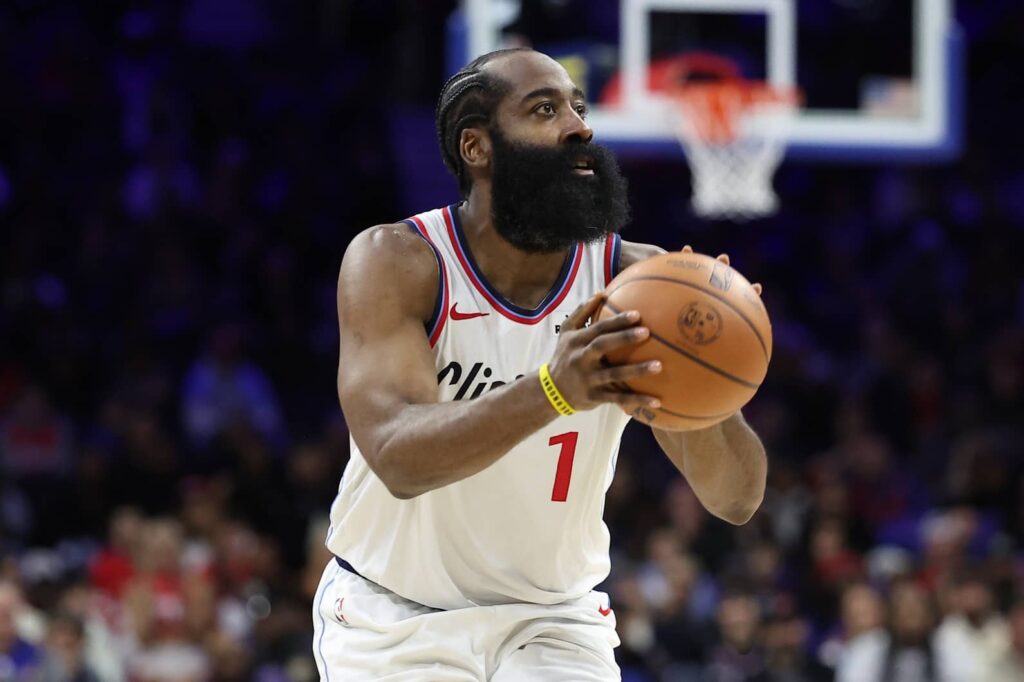
If you’re building an All-Snub Team with any honesty, you start here. James Harden is putting up 25.4 points, 4.8 rebounds, and 8.1 assists a night, and he’s doing it with real shot-making gravity, not empty calories. The efficiency is clean for a high-usage creator too: 41.9% from the field, 34.7% from three, and a ridiculous 90.1% at the line.
So why wasn’t he in? The case against him basically writes itself: the Clippers are 23-25, sitting ninth in the West, and coaches have always used the All-Star reserve spots as a soft referendum on “winning basketball.” When your team is hovering under .500, you don’t get the benefit of the doubt in a guard pool that’s already crowded with headline names and clean team records.
But that’s also where the snub stings. Harden has been the stabilizer, the nightly engine, and the bailout valve. He’s creating advantages every possession, manipulating matchups, and keeping the offense functional even when the roster math gets weird. If this were strictly about the best seasons, not the prettiest standings, he’s in. Full stop.
The other quiet factor is narrative fatigue. Harden has a long All-Star resume, and when voters or coaches feel like they’ve “seen the movie,” the bar gets unfairly higher, even if the production is still elite. The irony is the Clippers’ mediocrity is exactly why his numbers matter more, not less. He’s doing the hard part.
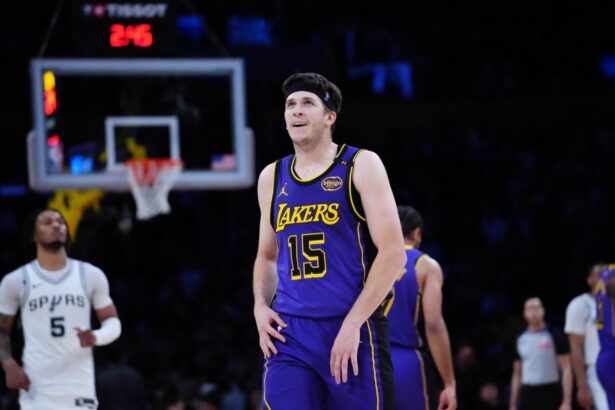
Austin Reaves
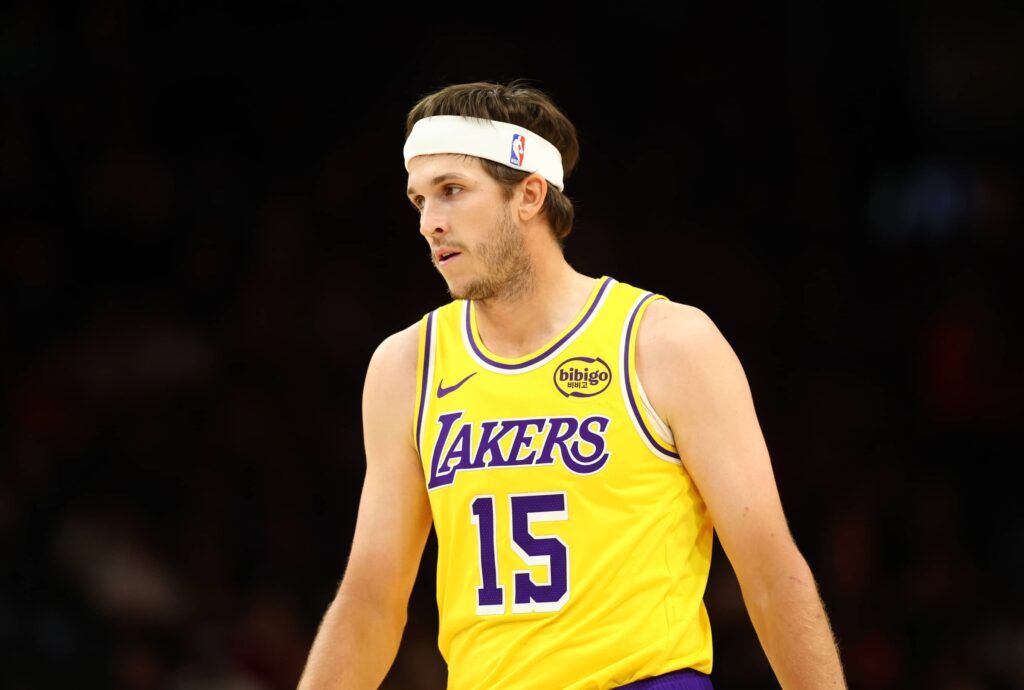
This one is the modern NBA in a nutshell: Austin Reaves is averaging 26.6 points, 5.2 rebounds, and 6.3 assists, on 50.7% from the field, 36.5% from three, and 87.3% at the line, and he still gets left outside looking in. That’s not “nice season,” that’s All-Star production with a neon sign on it.
The main issue is volume of games and timing. Reaves has only played 23 games so far, which makes it easier for decision-makers to treat him like a heater instead of a season-long lock. Fair or not, availability becomes a tiebreaker when you’re fighting for a small handful of guard spots.
Then there’s the context tax: playing for the Lakers means every hot stretch gets dismissed as “benefiting from the stars,” even when the tape screams otherwise. The Lakers are 29-19 and sixth in the West, so this wasn’t a “your team is terrible” penalty either. This was more about the West being packed with name-brand guards and coaches defaulting to the safest choices.
But if we’re being real, Reaves has been one of the most productive perimeter scorers in the conference when he’s on the floor, and he’s doing it efficiently while also carrying playmaking duties. That combination is rare. The snub feels like the league telling him, “do it longer,” even though his per-game case already clears the bar.
And that’s exactly why he’s on this All-Snub Team. If the standard is impact, not reputation, Reaves checks the box.
Forwards
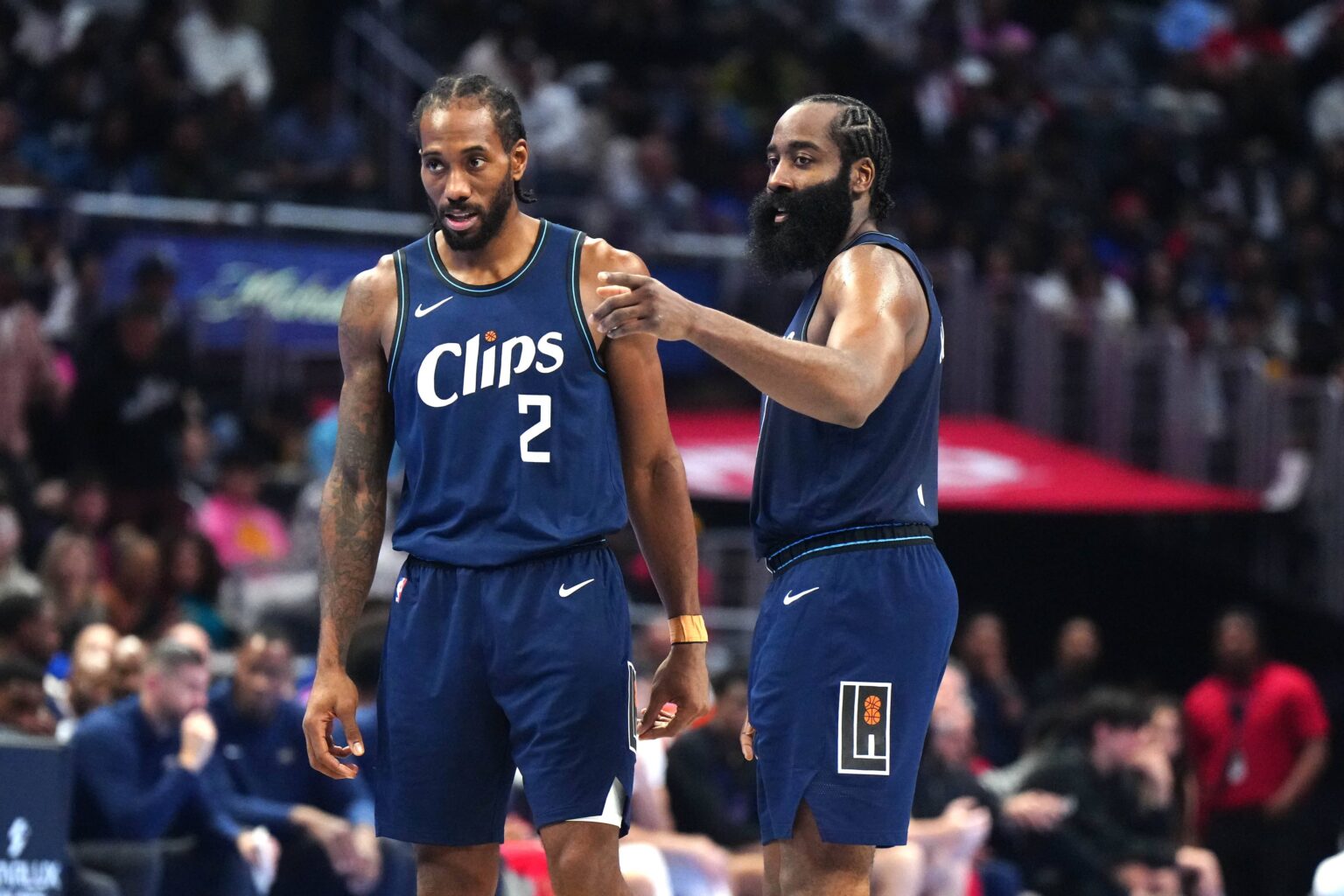
Kawhi Leonard
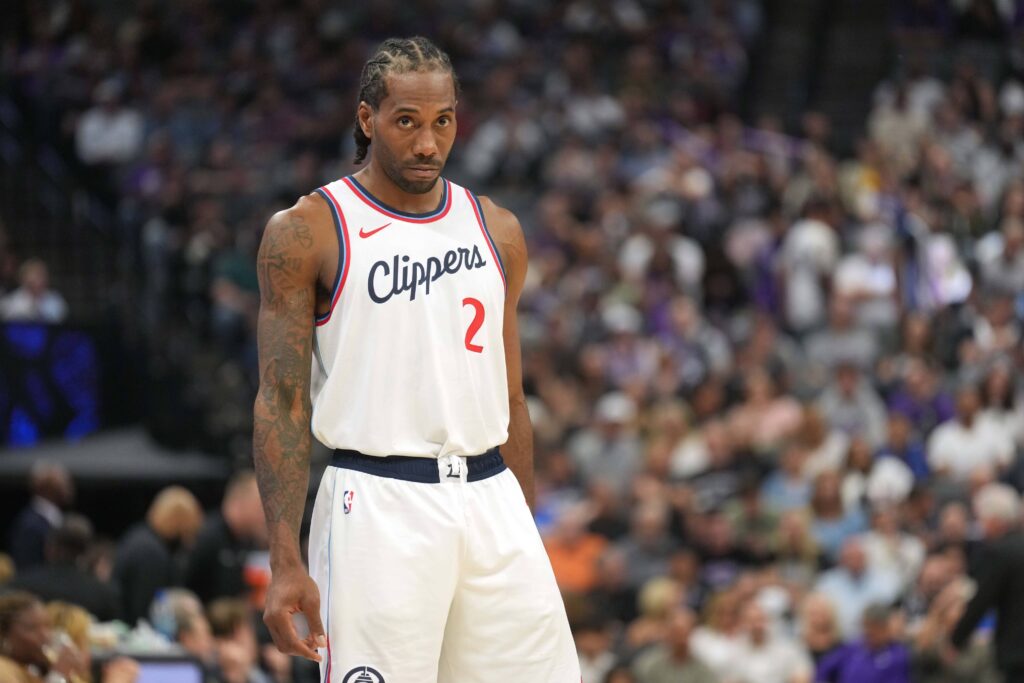
Kawhi Leonard’s snub is the kind that makes the whole “only 24 spots” argument feel like a cop-out. He’s averaging 27.6 points, 6.2 rebounds, and 3.6 assists, and the efficiency is straight-up ridiculous for a wing carrying real usage: 49.5% from the field, 39.1% from three, and 92.1% at the line.
The easy excuse is the Clippers’ record. They’re 23-25, and coaches love to pretend .500 is some sacred line for awarding a reserve nod. But even that doesn’t fully hold up when you look at context. The Clippers dug themselves a hole early, and that’s what stuck to them in the public narrative. Since that ugly start, they’ve been cooking, including a 17-4 surge after opening 6-21. That’s basically the difference between “meh team” and “dangerous team,” and Kawhi is the reason.
This is where the selection logic gets messy. The West frontcourt is stacked with Jokic, Wembanyama, Giannis, plus the veteran legacy picks, and it becomes a vibe check more than an impact check. Kawhi doesn’t win the popularity contest, he wins the possession. He’s still one of the league’s most reliable half-court scorers, and he’s defending at a level that actually matters in games that count.
Bottom line: if you’re telling me Kawhi is playing like this and he’s not one of the best 24 players of the season so far, you’re not evaluating basketball. You’re ranking storylines.
Michael Porter Jr.
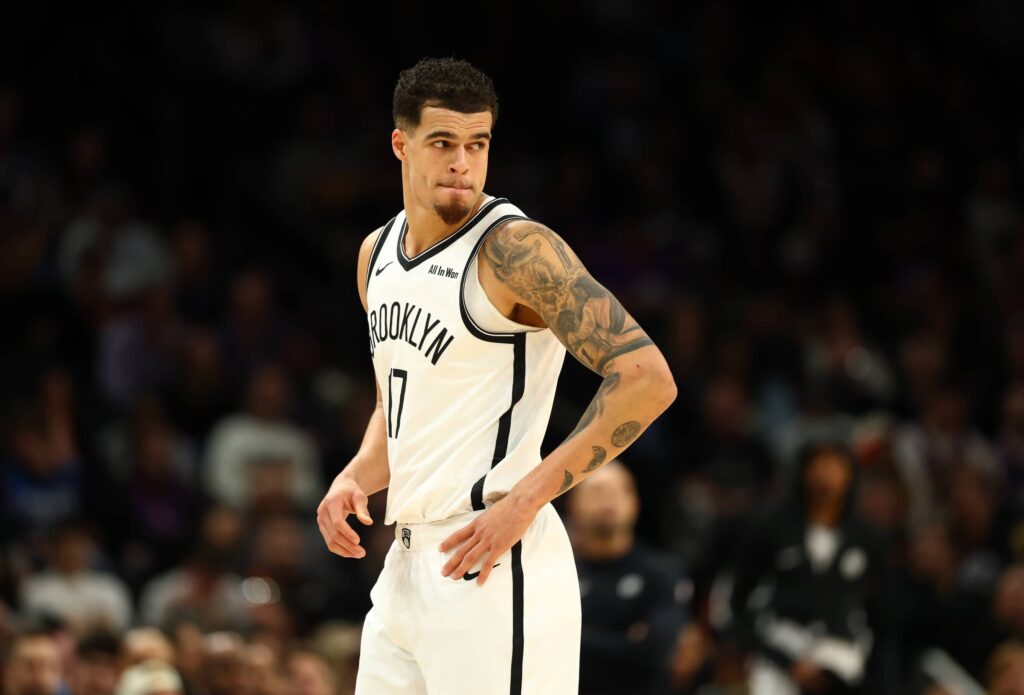
This one is brutal because the numbers are screaming. Michael Porter Jr. is at 25.6 points, 7.3 rebounds, and 3.2 assists per game, hitting 48.2% from the field and 39.8% from three, while drilling 3.8 threes a night. That’s not “nice season,” that’s “featured scorer who bends your defense” territory.
So why wasn’t he in? Because the Nets are 13-35, and the league still treats elite production on a bad team like it’s a math error. It’s the oldest snub blueprint there is: score a ton, lose a lot, get dismissed as empty. Except Porter’s profile isn’t empty at all. He’s doing it efficiently, spacing the floor like a cheat code, and carrying an offense that doesn’t have many other ways to consistently generate clean looks.
You can also feel the “new guy in a new context” penalty. He’s not a legacy All-Star, he’s not a constant headline, and he’s playing for a team people have mentally filed under rebuild. That’s how you end up with coaches leaning safer, more familiar choices.
Even mainstream reaction has had him pegged as one of the biggest omissions. And honestly, I’m with that. If the goal is to put the best, most dominant seasons on the floor, Porter should have been called.
Brandon Ingram
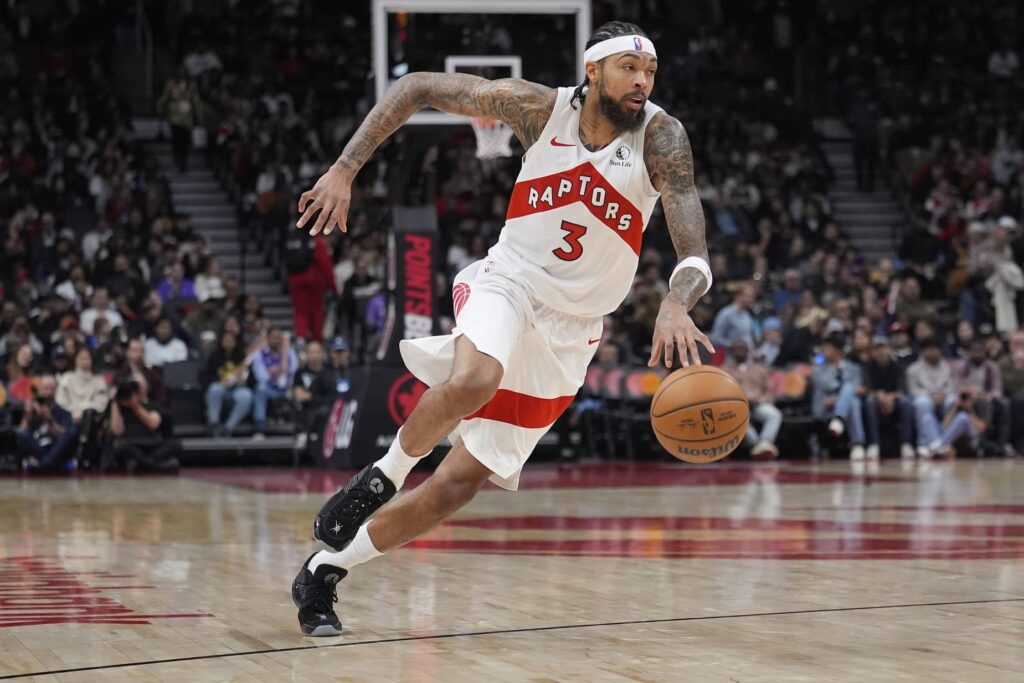
Brandon Ingram’s snub is sneakier, because it’s not a “bad team, big numbers” situation. The Raptors are 30-21, sitting in the East’s top tier, and that usually comes with at least one All-Star reward. Ingram did his part: 21.9 points, 5.9 rebounds, 3.7 assists, and solid shooting splits at 47.0% from the field, 35.8% from three, and 83.6% at the line.
So what happened? This feels like a “shape of the roster” and “who gets the credit” problem. The East reserve list leaned into certain archetypes: bigs who vacuum rebounds, switchy wings with reputations, and a couple guys who’ve been in the conversation forever. Ingram is a cleaner, quieter kind of star. He’s smooth, methodical, lives in that mid-range and secondary creation pocket, and he doesn’t play like a highlight factory.
And that shouldn’t matter, but it does. The league still undervalues the guy who stabilizes your offense every night if he’s not detonating for 40 on national TV twice a week. Add in that the Raptors’ identity is more “team” than “one-man show,” and it’s easy for voters to spread the credit around in their heads, even when the production is right there.
My take: a winning team with a 22-6-4-ish lead wing should not be shut out, even with Scottie Barnes making it. Ingram didn’t just have an All-Star case, he had the exact kind of “this is why your team is good” case that coaches are supposed to respect.
Bigs
Lauri Markkanen
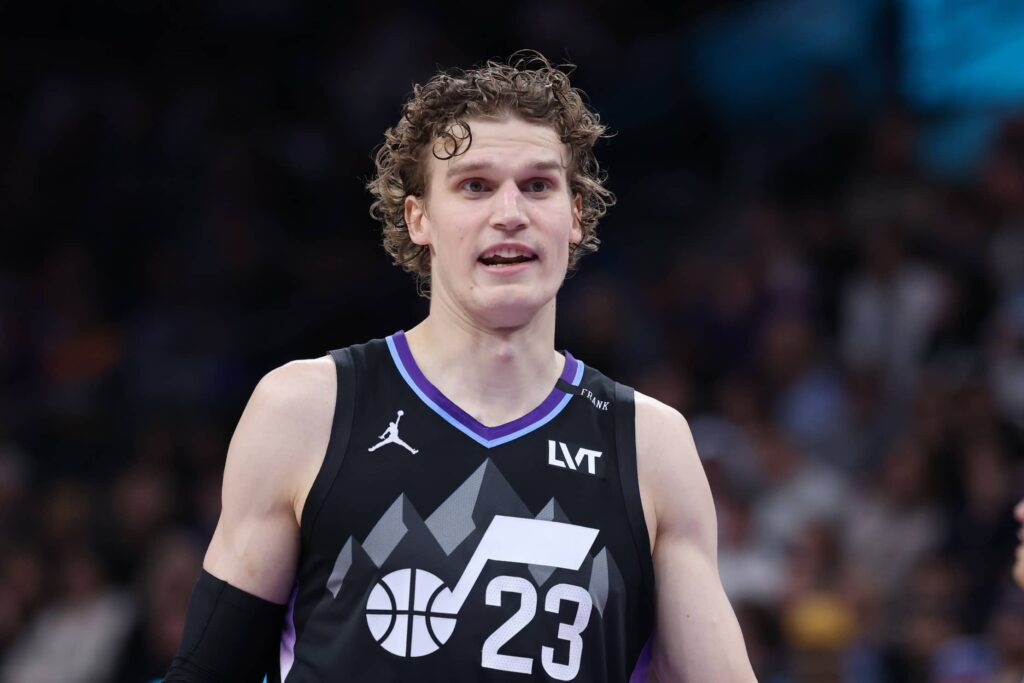
Lauri Markkanen getting left out is the purest version of the All-Star problem. You can play like a walking 30-piece, but if your team is buried and you missed chunks of the season, the conversation gets treated like a technicality instead of what it actually is, a star playing like a star.
On the floor, Markkanen has been ridiculous. He’s at 27.4 points, 7.1 rebounds, and 2.2 assists per game, with shooting splits that scream “this is not empty”: 47.6% from the field, 35.9% from three, and 88.9% from the line. That’s legit first-option scoring with real efficiency, and he’s doing it as a seven-footer who forces defenses to stretch to the logo.
So why the snub? It’s basically two things, and both are brutally predictable. First, the Jazz are 15-35 and sitting 13th in the West, which is the kind of record that makes coaches default to “nice numbers, but…” without even finishing the sentence.
Second, availability. Markkanen has played 36 games, and that’s the kind of total that gives decision-makers an easy out when the West frontcourt is already crowded.
The frustrating part is that his case doesn’t need imagination. When the Jazz have anything resembling a functional offense, it’s because Markkanen is detonating mismatches, hitting tough shots, and punishing teams for switching. If the standard is “best players having the best seasons,” he belongs. If the standard is “reward the teams people like to watch,” then yeah, you get snubs like this.
Alperen Sengun
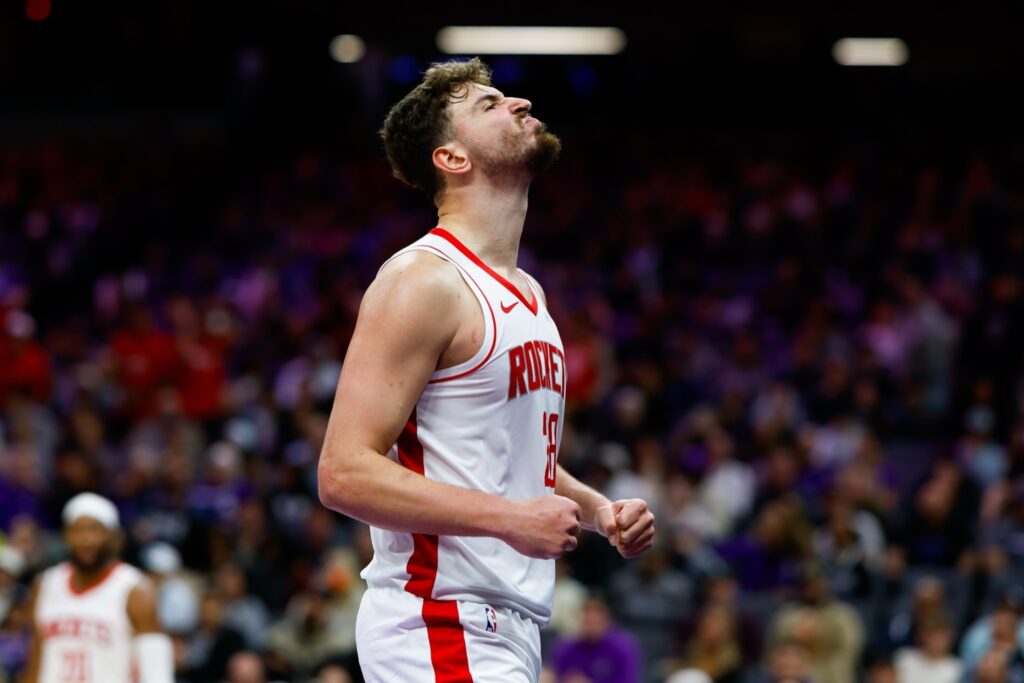
Alperen Sengun is the snub that actually bothers me the most because the Rockets are winning, and he’s still the one who gets treated like a “nice story” instead of an All-Star-level hub.
He’s averaging 21.0 points, 9.2 rebounds, and 6.4 assists, basically a center who plays like a point guard half the time. The efficiency is solid overall, 50.0% from the field, and even if the jumper isn’t his thing this year (30.0% from three, 68.4% at the line), the impact is obvious because he’s creating shots for everyone else by forcing rotations.
And here’s the key: the Rockets are 30-17, fourth in the West, and they’re not a cute little surprise anymore. They’re a real team. So when a team that good only gets one All-Star, it usually means the selection process is leaning way too hard into “names we already expected” instead of “who’s driving the wins.”
The explanation floating around is basically optics and crowding. Kevin Durant got the nod, and once you’ve got one guy in, it gets harder for coaches to give you a second slot unless you’re a top-two seed or you’re impossible to ignore.
Then you stack it against a West frontcourt that’s already loaded with Jokic, Wembanyama, plus the usual legacy gravity, and suddenly Sengun’s case gets shoved into the “maybe next year” pile.
But he’s not a “maybe.” A winning team with a 21-9-6 center who runs offense should not be getting treated like an honorable mention.
Joel Embiid
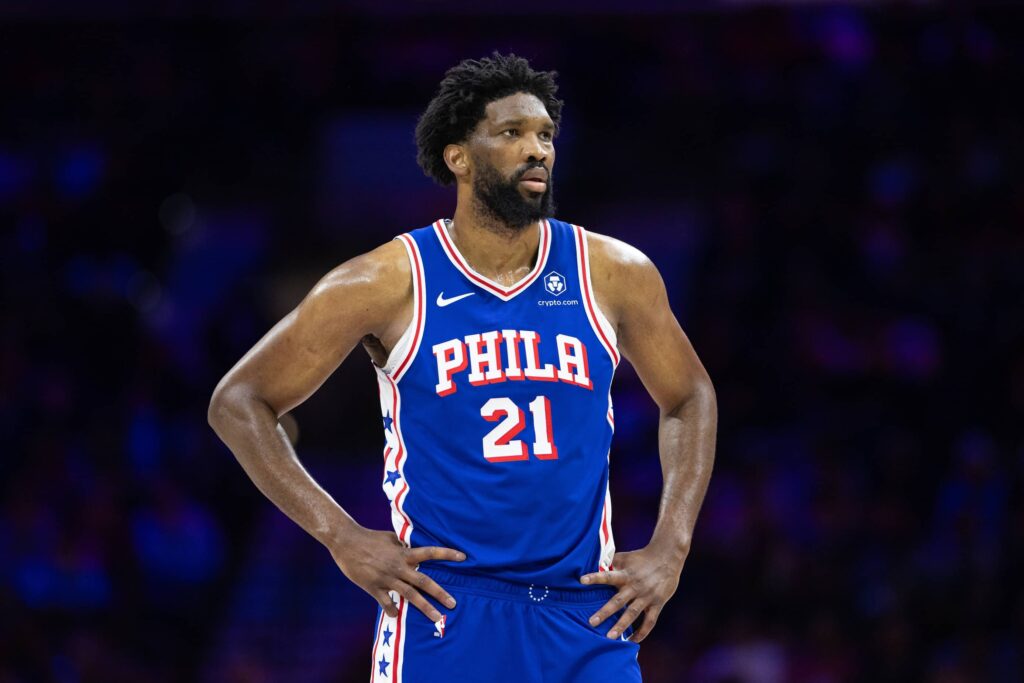
Joel Embiid being a snub is messy, because the case is strong, but the reason is also obvious. When he plays, he’s still Embiid. The problem is he hasn’t played enough for coaches to feel comfortable rewarding it.
He’s averaging 26.2 points, 7.5 rebounds, and 3.9 assists, shooting 49.0% from the field with a 59.9% true shooting mark. That’s an All-Star stat line in a vacuum, even with the dip in volume compared to his peak MVP-level seasons. And the “he’s back” stretch matters too, because he’s been cooking lately, which is why people even cared about the omission in the first place.
But he’s only played 28 games. In a league where reserves are decided by coaches, that’s the cleanest argument against him, and it’s one they lean on every single year when a star misses time. The Sixers are 27-21 and sixth in the East, so this wasn’t a “your team stinks” penalty. This was an availability vote, plain and simple.
The funny part is Embiid still feels like the most likely “replacement” guy if anyone pulls out, because the league always ends up correcting this stuff when injuries hit. So yeah, he’s a snub, but he’s also one phone call away from being right back in the mix.
Final Thoughts
If we’re ranking the most brutal snubs from this whole exercise, I’m not overthinking it: Sengun, Kawhi, and Harden are the ones that feel like real mistakes, not just “tough competition.”
Markkanen is the opposite type of snub. He’s got the clean numbers, 27.4 points on strong efficiency, but the Jazz being 15-35 makes it easy for the league to shrug. That one is “understandable” in the most annoying way possible, because it’s still a snub, but you can see the logic they used.
Embiid is the complicated one. His 26.2 and 7.5 in 28 games is absolutely All-Star level, but games played matters, and coaches almost always punish that. If someone drops out, he might be the first guy they call anyway, which says everything.
And yeah, there are other names that deserved a real conversation too. Bam Adebayo is the easy one, because two-way bigs always get underrated when they’re not piling up headline scoring nights. Julius Randle had a legit case.
There are always a couple more on the edge every year, and that’s before you even get into the “wrong conference, wrong timing, wrong narrative” stuff that decides these last few spots.
That’s why the All-Snub Team exists. The league announced 24 names, but the story is always the guys who didn’t make it, because they’re the ones who got forced into proving it again.