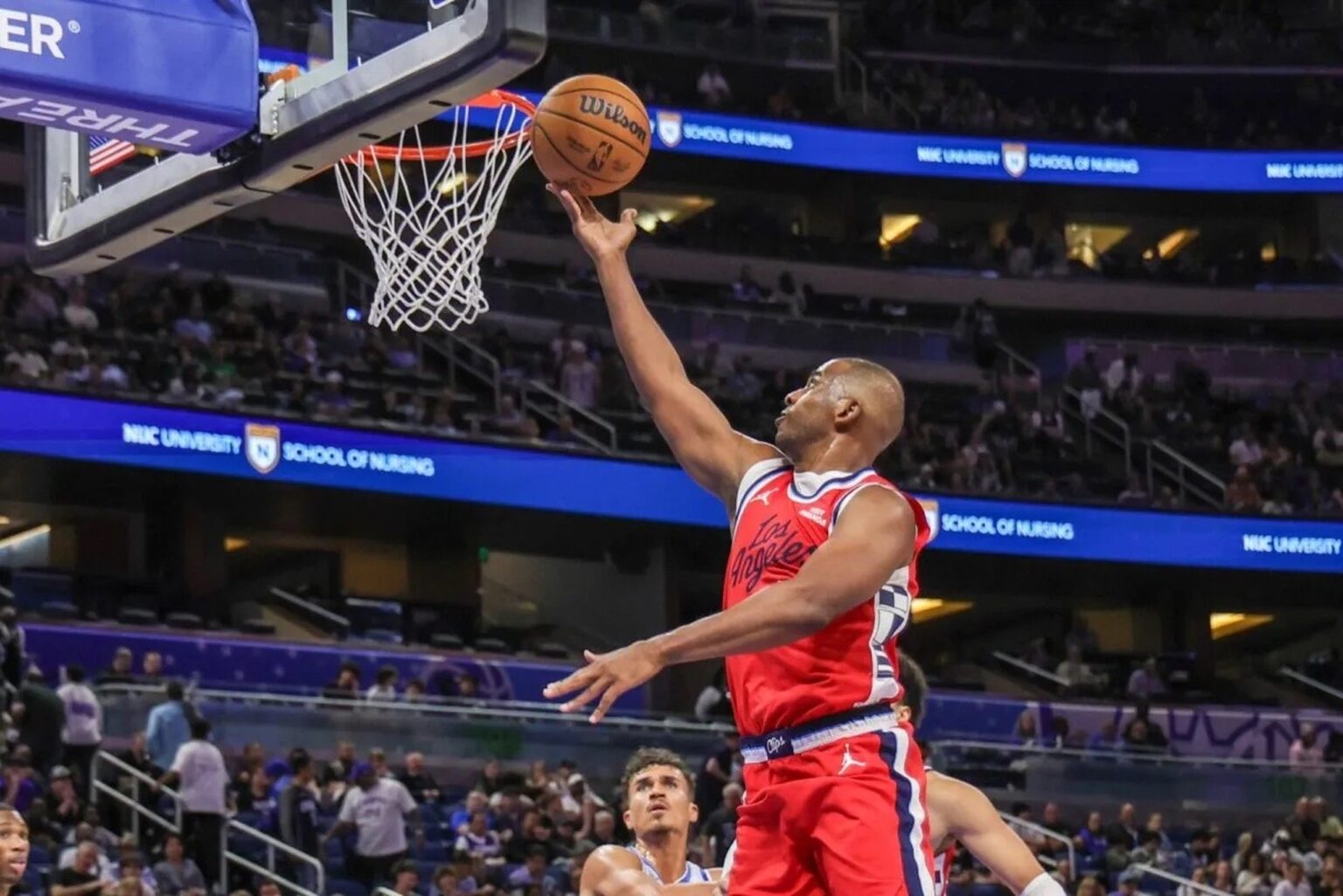
Chris Paul’s return to the Los Angeles Clippers took on a different meaning once training camp began, according to Ramona Shelburne. What was initially presented as a controlled, situational role quickly shifted as Paul became a driving force on the floor.
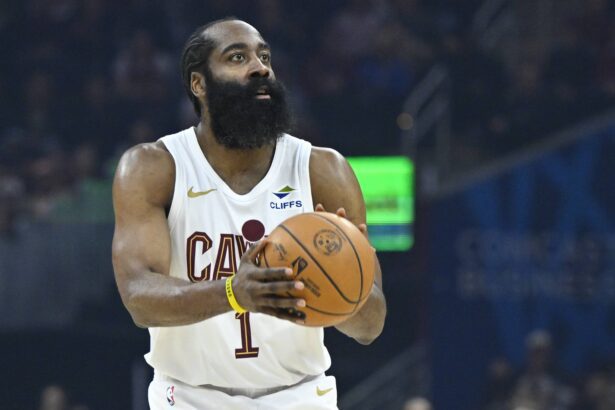
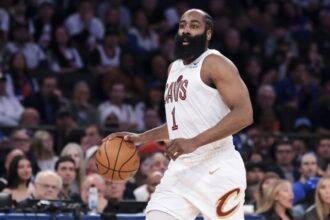
During camp, Paul reportedly emerged as the leader of the second unit (Paul, John Collins, Kris Dunn, Brook Lopez, and Nico Batum), which repeatedly outplayed the starters (James Harden, Bradley Beal, Kawhi Leonard, Derrick Jones Jr., and Ivica Zubac), in practice and preseason action. The imbalance was hard to ignore and began to reshape how Paul was viewed internally, especially as his minutes and responsibilities quietly expanded beyond what had been discussed during the summer.
That success brought complications. As the second unit continued to win its matchups, Paul’s voice carried more weight, and his influence over how the group operated grew. What started as a depth role evolved into something closer to authority, changing expectations inside the building.
The consistent success of the second group helped blur the intended hierarchy. Rather than settling roles, the gap between units created tension, forcing the Clippers to confront how much power Paul’s performance had earned and whether the situation had shifted too far, too fast.
Despite being in his final season, Paul held the team to the highest standards, and he was critical every time they failed. Whether it was teammates, coaches, or executives, Paul held everyone accountable, and he was eventually exiled once his voice began to carry weight.
In particular, Paul seemed to clash with head coach Tyronn Lue. They were reportedly not on speaking terms for weeks leading up to his exit, with Lue refusing to meet with him after several requests.
Somehow, through it all, Paul stayed close with Kawhi Leonard, and the two remain friends today. Leonard was just as shocked as anyone by the move, and all indications are that the decision was made by forces well beyond his authority.
In the end, it appears Paul and the Clippers had very different ideas about his role on the team, and that misunderstanding sowed the seeds of his exit just a few weeks later. It is a sour way for things to end for Paul, but his story may not be over yet.
With a few teams emerging as potential suitors, Paul may still get the ending he was hoping for, even if it is not the one he expected. At 40 years old, he can still make a positive impact in the right situation.
Meanwhile, as losers of four straight games, the Clippers continue their free fall in the Western Conference standings. Sitting at 14th at 6-20, the season is quickly getting out of hand, and it is becoming apparent that Chris Paul’s presence was the least of their problems. In fact, his veteran leadership may have helped them navigate this difficult stretch.
Looking back, the tension surrounding Chris Paul says as much about the Clippers as it does about him. A team searching for direction found itself uneasy with a veteran who demanded accountability and clarity. As the season continues to unravel, that discomfort feels telling. Paul may no longer be there, but the questions he raised about leadership, roles, and identity have not gone away.