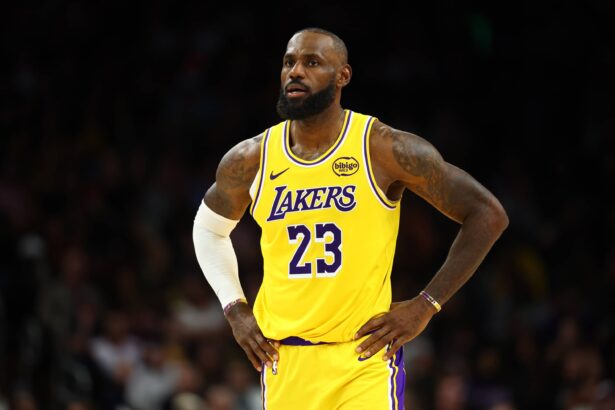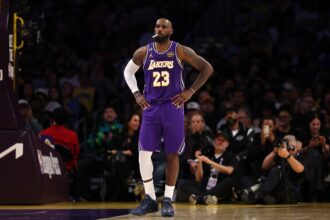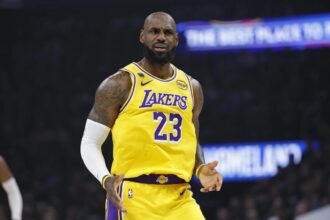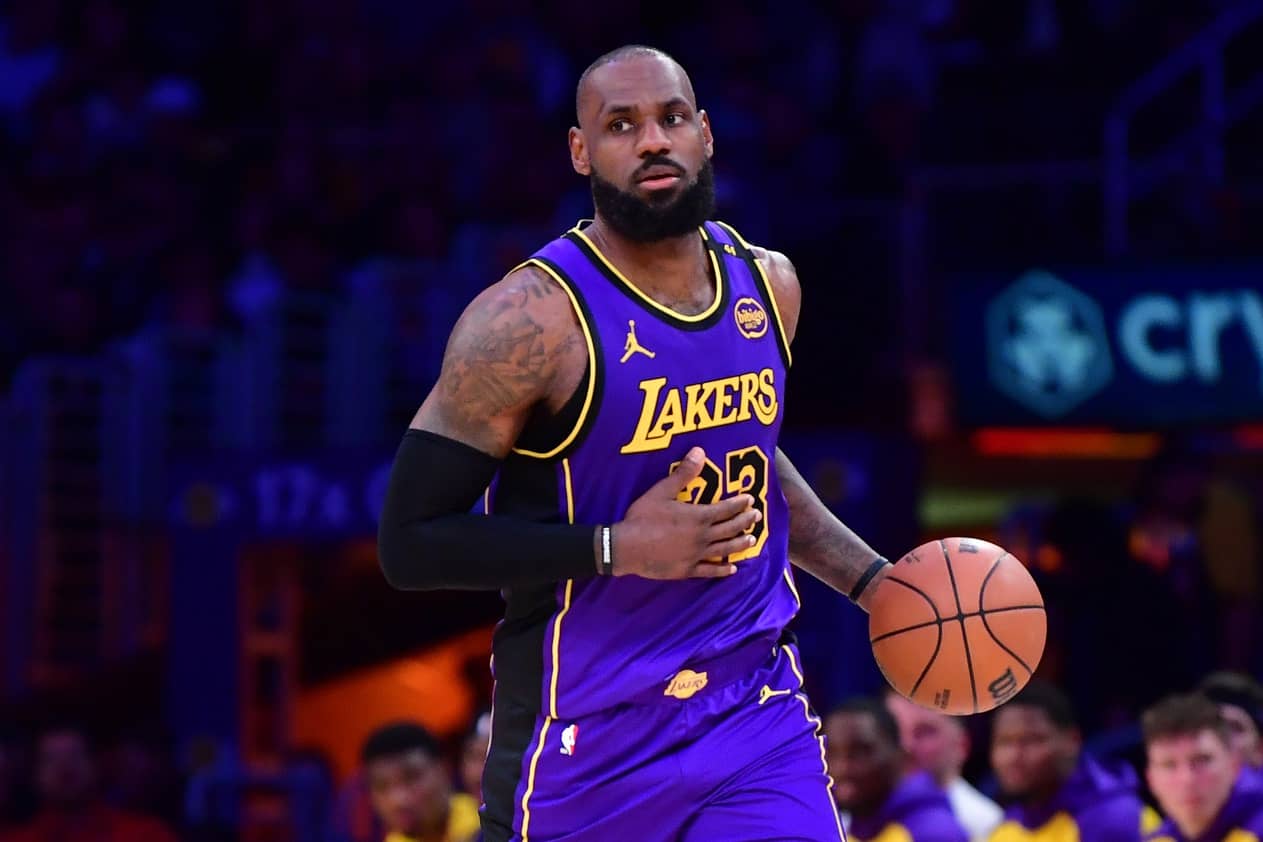
James Worthy has seen greatness up close. He played in an era filled with elite talent, shared the floor with legends, and built a Hall of Fame career with the Los Angeles Lakers. That context makes his words carry weight. When Worthy calls LeBron James the best athlete he has ever seen after Game 3 against the Houston Rockets, it is not casual praise. It is a statement built on decades of comparison.
“He’s the best athlete I’ve ever seen. He’s the best athlete I’ve ever seen in my life. I thought Barry Sanders was right there, but man, this guy is the best.”
That comparison matters. Barry Sanders is widely considered one of the most explosive and elusive athletes in sports history. For Worthy to place LeBron above him highlights how unique LeBron’s physical profile is. Game 3 against the Houston Rockets showed exactly why.
LeBron finished with 29 points, 13 rebounds, and 6 assists, shooting 10-22 from the field and 4-9 from three. He added 3 steals and a block while playing 45 minutes in a high-intensity playoff environment. The only flaw in his stat line was eight turnovers, a product of constant pressure and the responsibility of controlling every possession.
Even with those mistakes, the impact remained overwhelming. This is where Worthy’s statement gains context. Athleticism is not limited to speed or jumping ability. It includes strength, endurance, coordination, and durability. At 41, LeBron is still operating at a level where he can control pace, absorb contact, and create advantages against younger defenders. That combination is rare. Most elite athletes peak physically in their late twenties. LeBron has extended that window by more than a decade.
His ability to play heavy minutes, initiate offense, defend multiple positions, and still deliver in clutch moments separates him from typical definitions of athletic greatness. The game itself reinforced that point. With the Lakers needing a response late, LeBron stepped into a contested three-pointer and tied the game, shifting momentum completely before Los Angeles secured a 112-108 overtime win and a 3-0 series lead.
Through three playoff games, he is averaging 25.3 points, 9.7 rebounds, and 8.7 assists while shooting 47.4% from the field and 43.8% from three. He is dictating pace, creating structure, and finishing possessions at an elite level. What makes this stretch stand out is the context around the Los Angeles Lakers. No one expected this.
The absence of Luka Doncic and Austin Reaves was supposed to end this series quickly. The projection was simple. Either a sweep or a five-game exit against a deeper, younger Houston Rockets team.
Instead, the series flipped. The Lakers now hold a 3-0 lead. The pressure has shifted completely. The Rockets are no longer dictating terms. They are reacting to a 41-year-old controlling every possession late in games. LeBron’s production explains part of it. His decision-making explains the rest.
The Lakers no longer need to rush Luka or Reaves back into the lineup. Recovery becomes the priority. They can wait for full strength instead of forcing minutes in a compromised state.