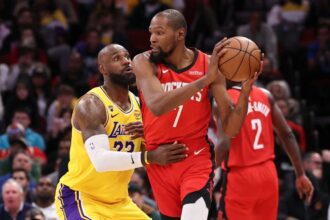
The 2026 trade deadline didn’t just reshuffle rotations. It rewired franchise timelines.
Big names moved. Big reputations moved. And in a season where “stability” felt like a luxury, the league’s loyalty chart got a lot shorter overnight. The Wizards set the tone early by landing Trae Young in a deal that immediately signaled a new direction, then doubled down at the deadline by adding Anthony Davis on top of it.
Then came the type of move that makes every front office re-check its own core. Jaren Jackson Jr. was the Grizzlies’ identity player, a Defensive Player of the Year-level anchor who had been there since draft night. And he was still moved, with the Utah Jazz turning their deadline into a future-forward haul by bringing him in.
That’s the angle for this list. After deadline week, the “longest-tenured player” on each team is basically a snapshot of who survived the chaos. Sometimes it’s a franchise star like Stephen Curry or Giannis Antetokounmpo. Sometimes it’s a role guy who’s simply been around long enough to outlast three roster overhauls.
Either way, these are the 30 players, one per franchise, who have been with their current team the longest right now, post-deadline, based on current roster composition and acquisition dates.
Atlanta Hawks – Onyeka Okongwu (6th Season)
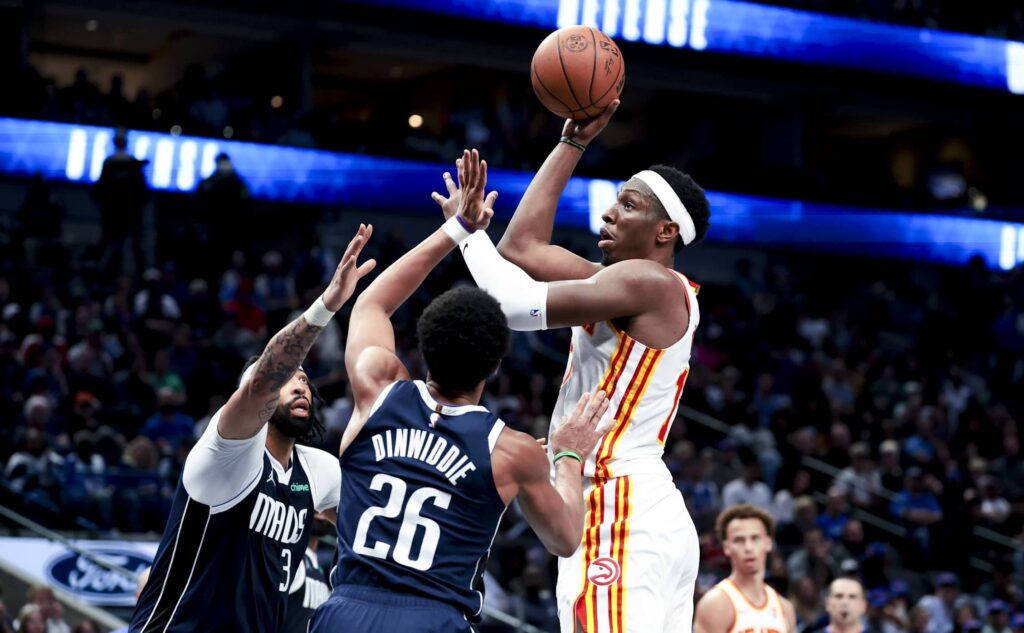
The Hawks have quietly hit a new era, and the simplest way to see it is this: Onyeka Okongwu is now the longest-tenured player on the roster after the trade deadline churn. Okongwu arrived as the No. 6 pick in the 2020 draft, and he’s been in the program long enough that he outlasted the franchise’s previous “face,” Trae Young.
The season’s first major domino was Young getting dealt to the Wizards, ending a run that started on draft night in 2018. With him gone, the Hawks’ longest-tenured label landing on Okongwu is a signal that the team’s identity is being rebuilt from the middle out, not around a heliocentric guard.
Okongwu’s rise has been backed by real production, not just “potential” talk. This season, he’s putting up 16.3 points, 7.9 rebounds, and 3.3 assists, shooting 48.3% from the field, and he’s doing it with starter-level minutes. That line tells you the leap is two-way. The scoring is there, but the assists are the tell. He’s making reads as a hub, not just finishing plays.
Zooming out, his career baseline has always been “high-motor big with defense-first traits,” but the overall profile has matured into something cleaner: a frontcourt piece who can survive different lineup styles and still produce.
The contract also lines up with that organizational pivot. The Hawks agreed to a $62.0 million extension with Okongwu back in 2023, basically betting early that he’d grow into a long-term core slot. Post-deadline, that bet looks smarter because his timeline fits the roster’s reset.
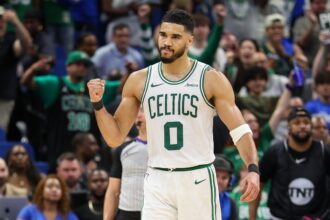
Boston Celtics – Jaylen Brown (10th Season)
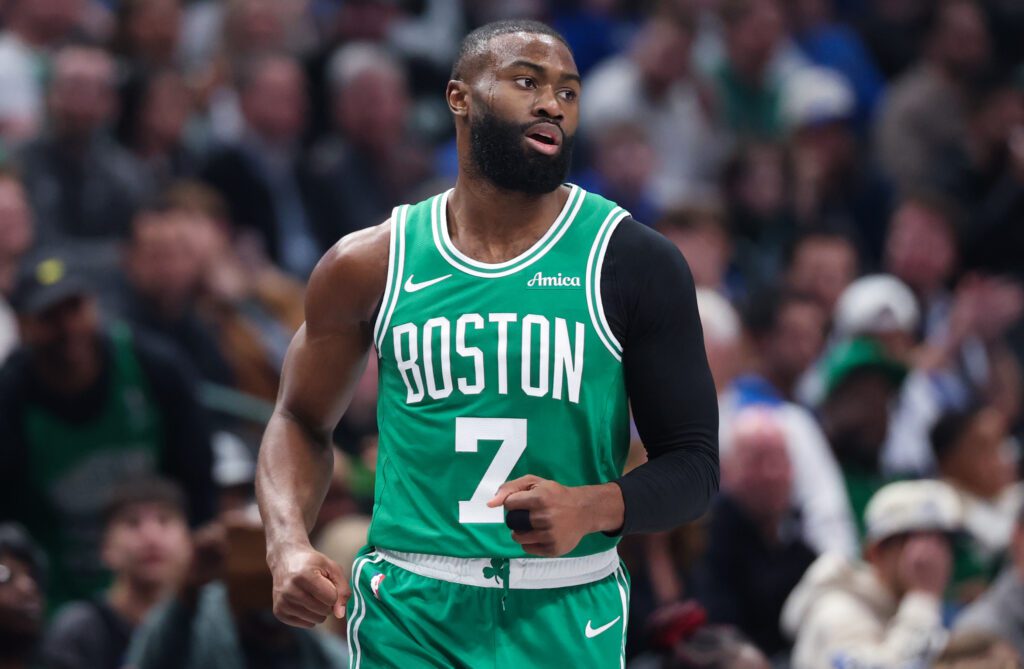
Jaylen Brown is the Celtics’ longest-tenured player after the trade deadline, and it lands differently this season because the Celtics are doing it without their usual gravitational center. Jayson Tatum is still working back from a torn Achilles, and even with recent progress to controlled 5-on-5 work, there’s no firm return timeline, and the Celtics have been publicly cautious about pushing him.
That’s where Brown’s résumé matters. He’s not just “the guy who has been here the longest” after being drafted in 2016. He’s a champion and a Finals MVP, the wing who won the Bill Russell Finals MVP in 2024 on the way to the Celtics’ title. Those are not trivia bullet points. They’re proof that he’s already handled the highest-leverage possessions the league can offer, and won.
This season, Brown has been playing like someone who knows exactly what the job is without Tatum. He’s at 29.4 points, 6.9 rebounds, and 4.7 assists, shooting 48.4% from the field. The assist number is the part that changes how you look at him. It’s not just volume scoring. It’s a wing doing more table-setting, more pick-and-roll initiating, more “get us into something good” possessions when the defense loads up.
The team context supports it. The Celtics are 34-15 and tied for second in the East. That record is the loudest argument that Brown’s version of leadership isn’t empty noise. They are still winning at a contender clip in a season where the roster’s standard operating system has been disrupted.
The contract side matches the status. Brown is on a five-year, $285.4 million deal, and is looking more like a complete superstar each game. That’s the front office saying, plainly, “This is a franchise pillar.” And with Tatum sidelined, Brown has basically treated the contract like a responsibility, not a trophy.
Longest-tenured lists usually point to sentiment. With Brown, it points to the real thing: continuity, elite production, and a proven championship ceiling.
Brooklyn Nets – Nic Claxton (7th Season)

Nic Claxton is the Nets’ longest-tenured player after the trade deadline, and that detail actually tells the whole story of where the franchise is right now. He was drafted in 2019 and has been with the Nets since the first wave of the Kevin Durant and Kyrie Irving era, through the James Harden chapter, through the collapse, and now into a straight rebuild. Everyone else from those teams is gone. Claxton is the lone “before and after” player still standing.
That’s why his deadline survival matters. Claxton was the type of name that kept coming up in rumors because contenders always want a mobile center who can finish, protect the rim, and switch in space.
You saw him linked in trade-rumor content leading into deadline week, including pieces that framed him as a target for contenders looking to upgrade at center. Then the deadline passed, and he was still a Net. For a rebuilding team, keeping the one premium archetype you actually have makes sense. You don’t dump that player for pennies just because the season is ugly.
And the season has been ugly. The Nets are 14-37 and 13th in the East. That record matters because it frames Claxton’s situation: he’s putting up solid numbers in a losing environment where the nightly margin for error is brutal. Individually, he’s at 12.2 points, 7.2 rebounds, and 4.0 assists, shooting 58.2% from the field. The 4.0 assists are the tell. He’s not just a dunker. He’s functioning as a connector, making reads from the short roll, hitting cutters, keeping possessions alive when the first action dies.
The contract locks in why he stayed. Claxton re-signed on a four-year, $100.0 million deal in the 2024 offseason, which is the franchise committing real money to him as a foundational piece, not a temporary starter. In a rebuild, you either trade a player like that for a haul or you keep him as the defensive spine while you draft and develop the next wave.
So the “longest-tenured” tag isn’t just a fun fact for the Nets. It’s a snapshot of the rebuild itself. Claxton is the bridge from the star-chasing past to whatever comes next, and the fact that he made it past deadline week is the clearest hint the Nets still see him as part of the answer, not a piece to cash out at the first offer.
Charlotte Hornets – Miles Bridges (7th Season)
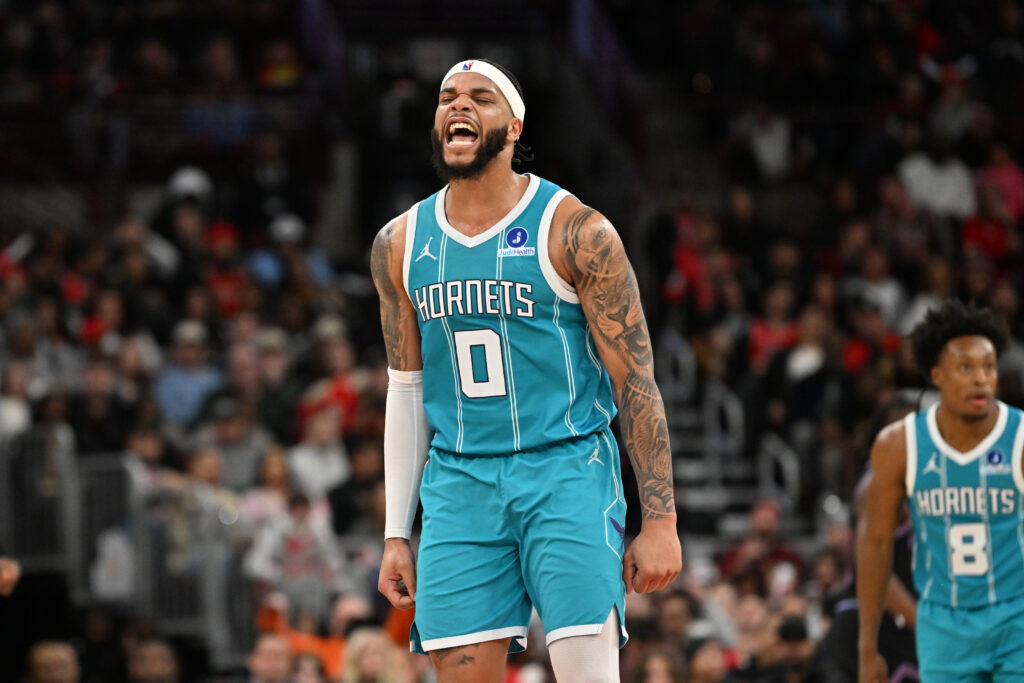
Miles Bridges is the longest-tenured player on the Hornets after the trade deadline, which tells you two things at once. One, the roster has turned over a ton around him. Two, the franchise still sees him as a real piece, even while the team is living in the middle-class of the East. The Hornets are 25-28 and 10th in the conference, basically hanging in the play-in race without much margin for a slump.
Bridges’ timeline is straightforward. He was drafted in 2018 (Round 1, Pick 12), and he’s been a Hornets fixture ever since, which is why he ends up wearing the “longest-tenured” tag now. He’s also producing like a clear top-three option for them this season: 18.4 points, 6.1 rebounds, and 3.5 assists per game, shooting 45.1% from the field.
Career-wise, the volume has been steady across seven seasons: 16.0 points, 6.2 rebounds, and 2.8 assists in 476 regular-season games. That’s the résumé of a veteran starter, not a “season wonder” guy, and it’s why he’s always going to show up in trade chatter when teams go hunting for a forward who can score.
And there was deadline chatter. Yahoo’s reporting round-up noted Bridges came up in talks, but the expectation was that he would likely stay put, since he’s now the 3rd highest scorer in franchise history. The on-court reason that makes sense is simple: the Hornets have actually played their best stretch of the season with Bridges in the mix, ripping off an eight-game winning streak recently, with Bridges contributing as a primary scorer next to LaMelo Ball and Brandon Miller.
His contract also anchors the situation. Bridges is making $25.0 million in 2025-26, which is starter money and a number that’s tradable only if a team really wants him. Making it through the deadline doesn’t mean he’s “untouchable.” It just means the Hornets didn’t get an offer that matched his value to them right now, especially with them still fighting for postseason positioning.
Chicago Bulls – Patrick Williams (6th Season)
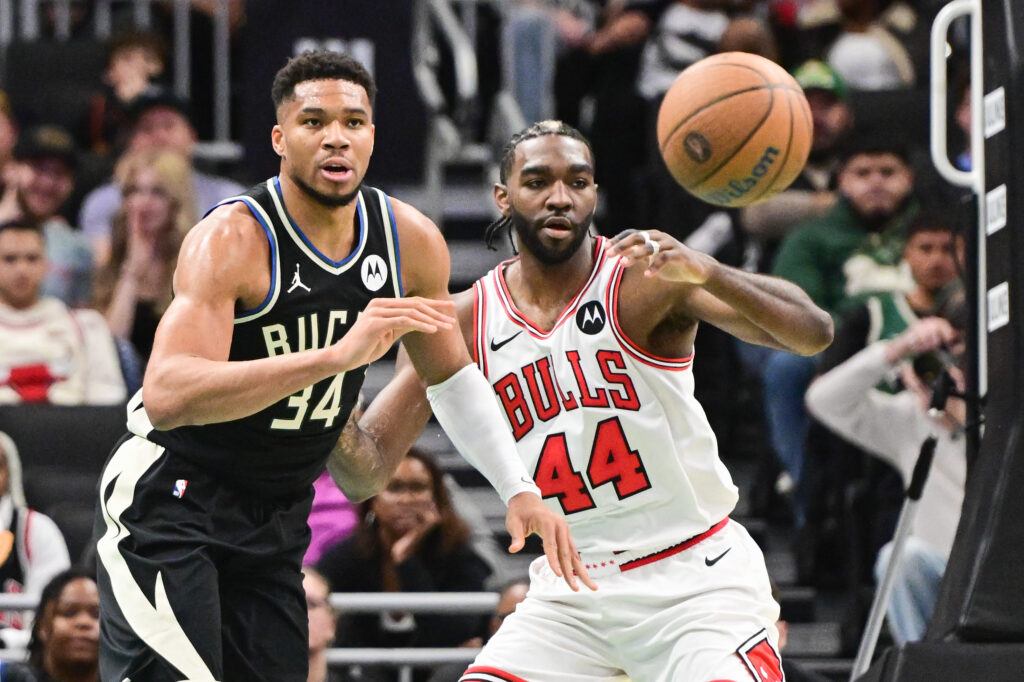
Patrick Williams is the Bulls’ longest-tenured player after the deadline, and honestly, it’s a little bleak, because it’s less “franchise cornerstone” and more “everyone else from the previous era is gone.” Williams was drafted in 2020 (Round 1, Pick 4), and in a span where the Bulls have been cycling directions, coaches, and lead stars, he’s the one guy who simply never left.
The deadline made that even clearer. Coby White, a seven-year Bull and one of the few other true long-timers, got moved in the multi-team deal that sent him (and Mike Conley) to the Hornets. White’s exit came after being drafted in 2019 and producing 18.6 points and 4.7 assists this season. Once that happened, the “longest-tenured” baton basically defaulted to Williams.
And the team context is messy. The Bulls are 24-29 and 11th in the East, sliding into that gray area where you can’t sell “contender” with a straight face, but you also aren’t cleanly bottoming out. The organizational pivot is pretty obvious, though: the Bulls re-signed Josh Giddey to a multi-year deal before the season, and it was a real investment in him as a lead initiator.
Williams’ production is the problem, and it’s why the league doesn’t exactly line up to trade for him. This season, he’s at 6.8 points, 3.0 rebounds, and 1.2 assists per game, with 37.9% from the field. For a 24-year-old wing, those are “end of rotation” numbers, not “starter you pay.” Career-wise, he’s at 9.1 points and 3.9 rebounds across six seasons, which shows the story has been pretty consistent: flashes, but no real leap.
That leads straight into the contract reality. Williams is on a five-year, $90.0 million deal, and the final season is a player option. If you’re wondering why he’s still here, that’s a big part of it. Big money plus low production usually equals a small market of suitors, unless a team is specifically chasing his age and tools and betting their development staff can fix it.
So yes, it’s a rough “longest-tenured” answer. But it fits the Bulls’ moment perfectly: the old names are getting moved, the new plan is being built around a different guard, and Williams is the leftover constant because the league hasn’t given the Bulls a clean exit ramp from that contract yet.
Cleveland Cavaliers – Dean Wade (6th Season)
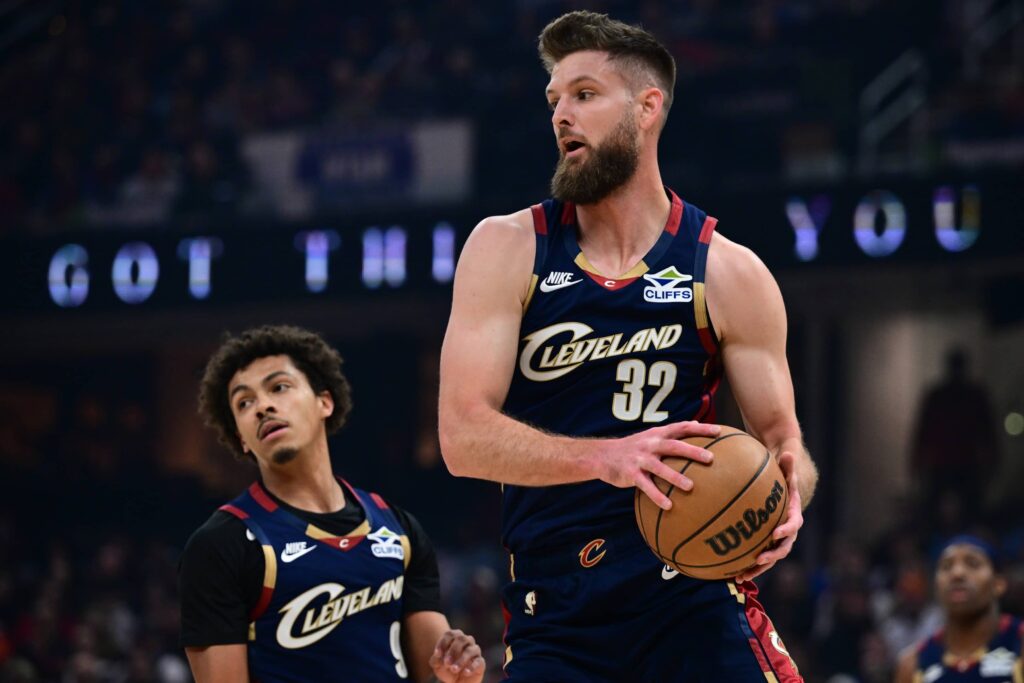
The Cavaliers have reshaped their roster multiple times over the last few seasons, but the funniest “survivor” on the whole team is Dean Wade. Not Donovan Mitchell. Not Jarrett Allen. Not the new arrivals. It’s Wade, who’s been in the organization the longest because he showed up first and just never left.
Wade joined the Cavaliers on July 9, 2019, when he signed a two-way deal as an undrafted forward out of Kansas State. A year later, the Cavaliers converted that into a multi-year contract, basically betting that his size, spacing, and defensive competence would translate as the roster around him turned over.
That turnover got loud again at this deadline. The biggest shift was the Cavaliers moving on from Darius Garland and bringing in James Harden, a move that pretty clearly signals “win-now” urgency around Mitchell. Garland had been a core piece, a lead guard, and the other long-running face of this build. Once he was dealt, the idea of “continuity” basically disappeared for everybody except the guys who were never trade-centerpieces in the first place.
That’s the whole Wade angle. He isn’t the star. He’s the constant. And in a season where the Cavaliers are actually winning, that constant matters because he’s a useful role player, not just a random name that happens to still be around.
This season, Wade is averaging 5.8 points, 4.1 rebounds, and 1.6 assists in 22.8 minutes, shooting 41.7% from the field and 34.0% from three across 43 games. It’s not flashy, but it’s a real rotation line: enough spacing to keep lineups functional, enough size to survive at forward, and enough defensive reliability that coaches keep trusting him.
Dallas Mavericks – Dwight Powell (12th Season)
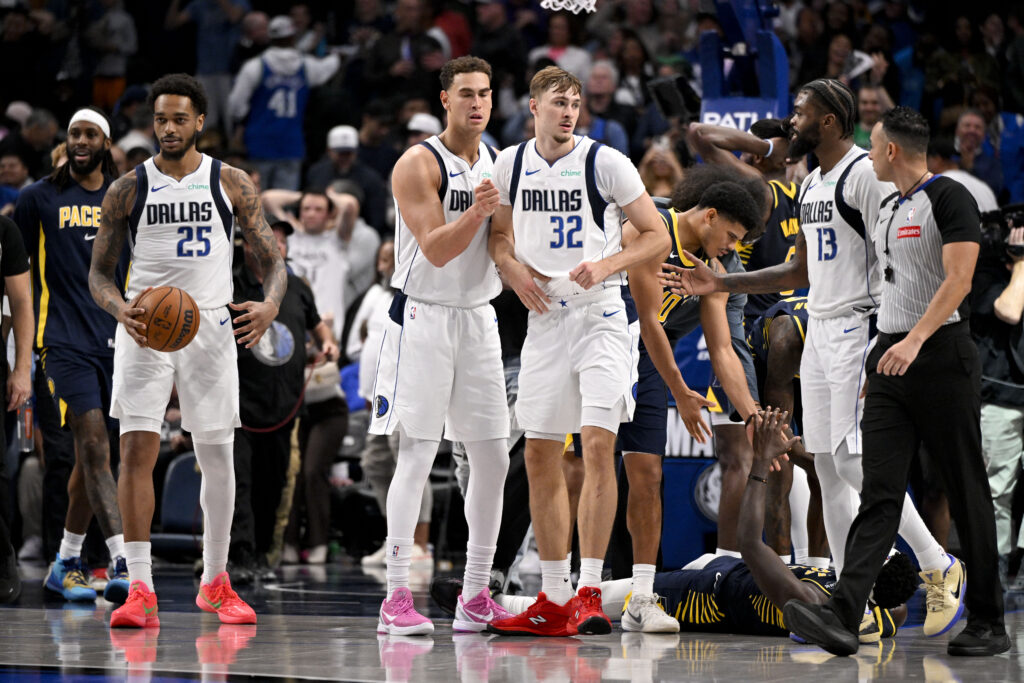
Dwight Powell being the longest-tenured Maverick in 2026 is borderline unbelievable when you line it up with the franchise’s last three eras. He arrived in December 2014 as part of the Rajon Rondo trade, the same deal that was supposed to give Dirk Nowitzki one more real shot at a title run. The Mavericks’ own release from that trade still reads like a time capsule: Rondo and Powell in, a pile of rotation pieces and picks out.
Powell is still here now, and the team around him has lived three different lives. The Nowitzki era closed, the Luka Doncic era exploded into a contender track, and then it got ripped up. Doncic was traded to the Lakers for Anthony Davis in the craziest blockbuster in NBA History. One year later, the Mavericks flipped Davis again in the huge deal that sent him to the Wizards, a pivot point for where the franchise is heading.
And that “where” is obvious right now. The Mavericks are 19-33 and 12th in the West, living in a development season more than a playoff chase. Cooper Flagg has become the new timeline, the face of the next build, and the quickest way to describe the roster is: they are rebuilding again, visible and loud.
Powell’s role is smaller, but his presence is the point of this list. In 2025-26, he’s averaging 3.0 points, 3.8 rebounds, and 1.0 assists, shooting 63.2% from the field in a limited-minute bench role. Career-wise, he’s been a steady utility big for a decade-plus, sitting at 6.6 points, 4.2 rebounds, and 1.0 assists per game.
Contract-wise, he’s on $4.0 million this season, which fits the reality: veteran continuity, low drama, movable if needed, but valuable as a stabilizer while the Mavericks hand the keys to the Flagg era.
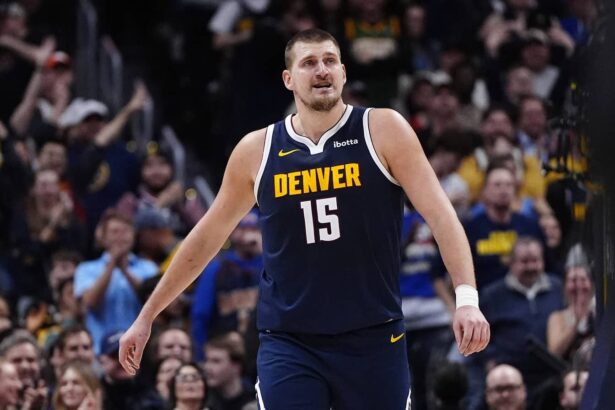
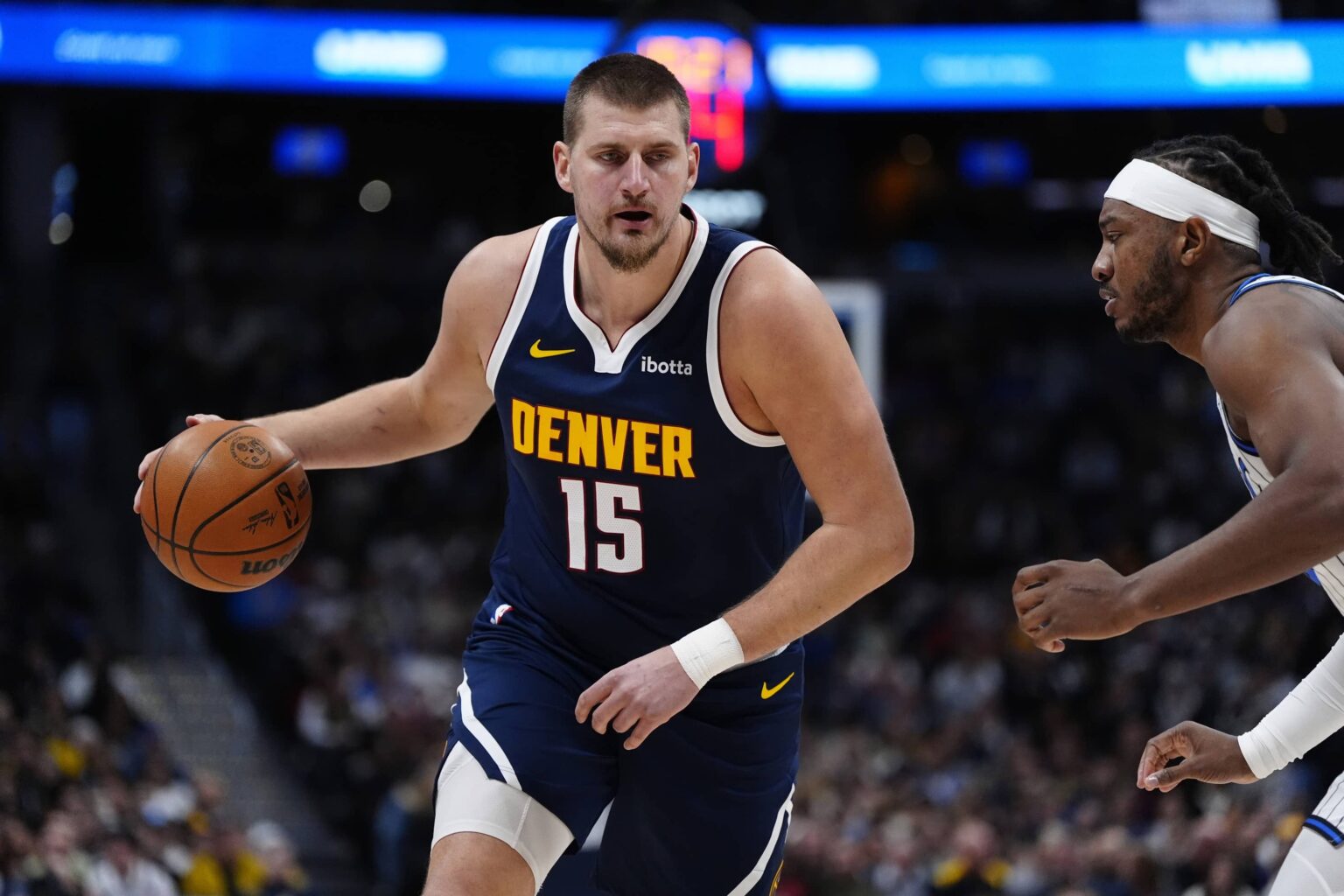
Denver Nuggets – Nikola Jokic (11th Season)
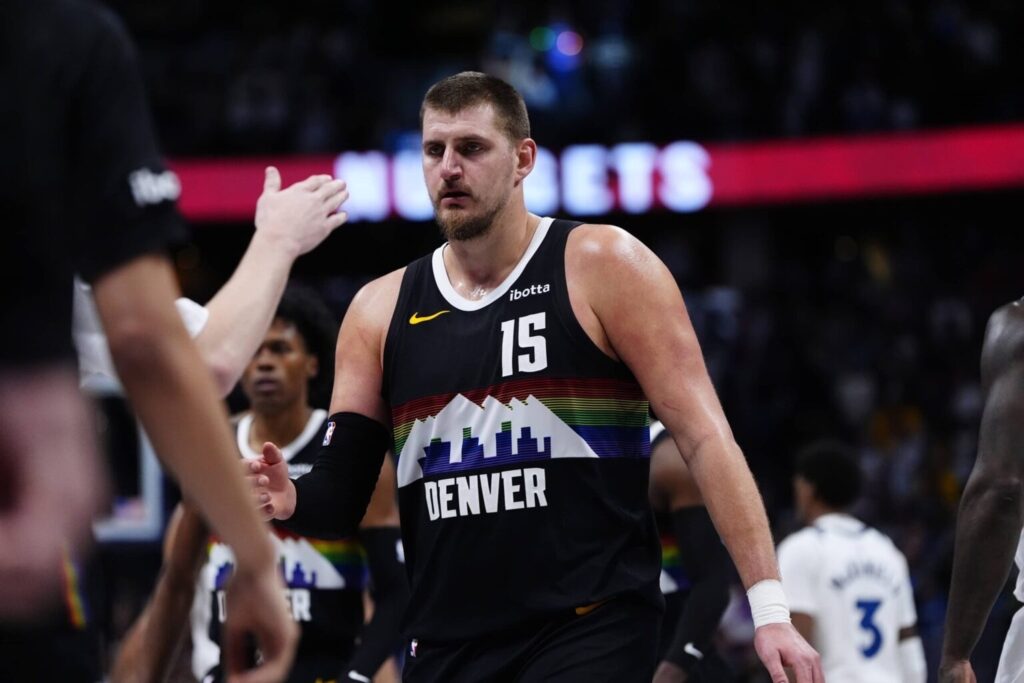
Nikola Jokic is the easiest “longest-tenured” entry in the league because the Nuggets are basically the Nikola Jokic franchise. He was drafted in 2014 (41st pick), grew into a superstar without leaving, won everything you can win, and the team’s identity has stayed consistent because he’s the system.
The on-court case is unfair. Jokic is averaging 28.9 points, 12.2 rebounds, and 10.7 assists this season, shooting 59.4% from the field. That’s not great for a center. That’s “you’re watching a once-in-a-lifetime big man who passes like a point god.” The 70.3% true shooting on that volume is the part that breaks people’s brains, because it means the efficiency never drops even when the usage is massive.
Team context matches it. The Nuggets are 34-19 and third in the West, still sitting in the contender tier even with the usual regular-season bumps. That’s what happens when the best floor-raiser in basketball is also the best ceiling-raiser. My take is simple, and I’m not hedging it: Jokic is the best player in the world right now, because no one else controls every possession with scoring, passing, and rebounding the way he does, every night, against every coverage.
The résumé backs the arrogance. He has three MVPs (2021, 2022, 2024). He won a title in 2023 and took Finals MVP, with him as the 2023 Finals MVP.
And yes, he’s paid like it: $55.2 million this season, heading for a new supermax soon. Longest-tenured, best player, engine of a contender. The Nuggets’ entry is the cleanest one on the whole list.
Detroit Pistons – Isaiah Stewart (6th Season)
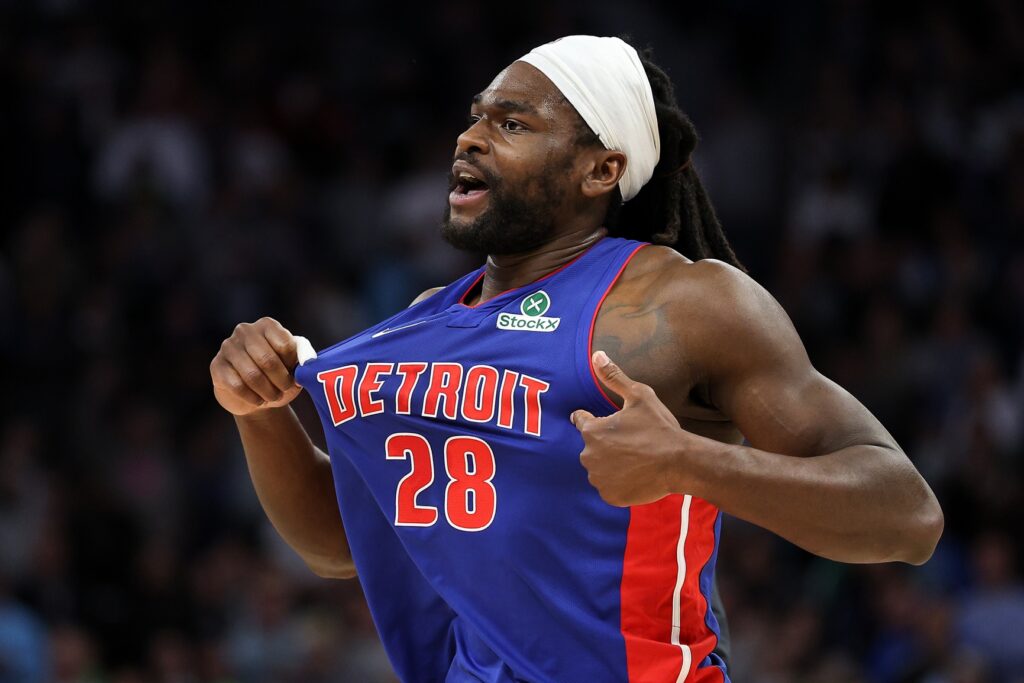
Isaiah Stewart has been with the Pistons since draft night in 2020, and the roster around him has basically been rebuilt twice since then, with fellow Jaden Ivey leaving this season and Cade Cunningham still as the core of the team.
The funny part is that this “tenure” tag lands now, when the Pistons are not rebuilding anymore. They’re 38-13, first in the East, and first in the Central. That’s a real contender profile, not a cute early-season heater.
Stewart’s own arc fits that team jump. He came in as a physical, undersized big with a simple job description: rebound, defend, bring edge. The Pistons kept him through the ugly years because that archetype tends to translate no matter who the coach is or who the lead guard becomes.
Now he’s basically a utility frontcourt piece on a team that’s winning, which is the most valuable version of “role guy.” This season, he’s at 10.1 points, 5.3 rebounds, and 1.2 assists in 23.5 minutes, shooting 54.0% from the field with 32.4% from three, plus 1.7 blocks.
The career baseline is even clearer: across six seasons, Stewart has averaged 8.8 points and 6.8 rebounds in 354 regular-season games. The Pistons agreed with Stewart on a four-year, $64.0 million extension in July 2023, with his 2025-26 salary at $15.0 million, which lines up with the idea that the franchise sees him as a core rotation player, not a minimum big you can replace every summer.
What makes Stewart a big piece of the Pistons is his grit. They are winning games right now with him in the mix, and he’s become the engine and the emotional leader that any contending team always needs. His success is not random either; he’s a core piece and a foundational asset next to the billboard names like Cade or Jalen Duren.
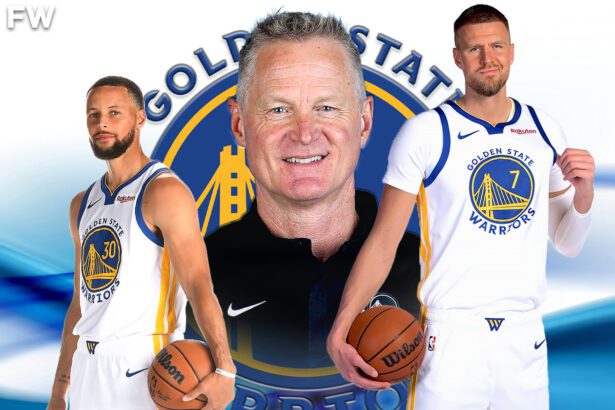
Golden State Warriors – Stephen Curry (17th Season)
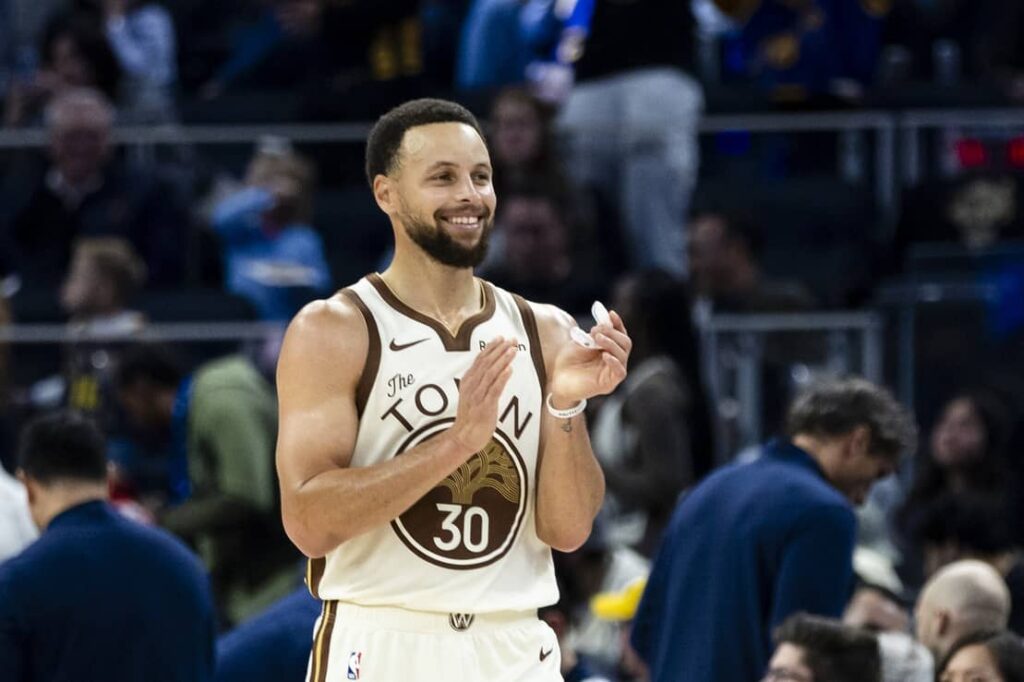
Stephen Curry is the Warriors’ longest-tenured player, and it’s not even close, because he’s the franchise. Drafted in 2009, he’s the last living thread from every version of this organization: the early losing years, the dynasty peak, and the current grind where every win still depends on his gravity. The résumé ends arguments: four-time champion (2015, 2017, 2018, 2022), two-time MVP (2014-15, 2015-16), and Finals MVP (2022).
Even at 37, he’s still producing like the center of the league. Curry is averaging 27.2 points, 3.5 rebounds, and 4.8 assists on 46.8% from the field. He’s at 39.1% from three on huge volume, with 63.6% true shooting, which is the same story as always: defenses know what’s coming, and it still doesn’t matter.
The Warriors’ context is messy enough that it actually strengthens the “Curry is everything” point. They’re 28-25 and eighth in the West, living in the middle of the play-in traffic. And when he’s not available, you see how thin the margin is. He’s been dealing with right knee pain, and the Warriors are 4-8 without him.
Contract-wise, it matches the status. Curry’s 2025-26 base salary is $59.6 million, the kind of number that only exists for true franchise icons in the final window of their prime.
No player in the league bends a defense like Curry. The Warriors can change pieces, change lineups, even change the team’s “era,” and the whole sport still has to solve the same problem when he crosses half-court. That’s why his tenure isn’t just longevity. It’s dominance with receipts.
Houston Rockets – Jae’Sean Tate (6th Season)
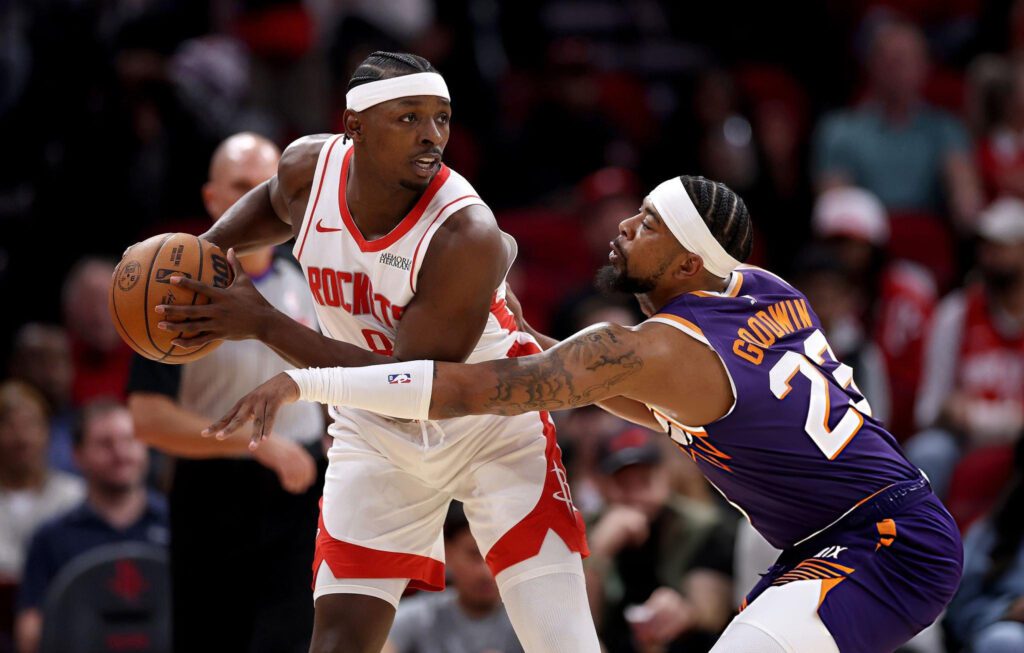
Jae’Sean Tate is the Rockets’ longest-tenured player after the trade deadline, which is kind of wild considering he wasn’t even drafted. Tate went undrafted in 2018, bounced around, and didn’t actually land with the Rockets until he signed in November 2020.
The “why” is simple: Tate is the classic glue forward who does the dirty work, and coaches trust him even when the box score doesn’t pop. This season, the box score definitely does not pop. He’s at 2.6 points, 1.5 rebounds, and 0.5 assists in a small role, shooting 50.0% from the field.
But he;s actually gone through every version of the Rockets: from the twilight of the Harden era in 2021, to the rebuilding phase with Jalen Green, Jabari Smith, and the young core, to the current contender version next to Kevin Durant.
For this “longest-tenured” concept, Tate is exactly what makes the list fun: not a superstar, not a marketing face, just a guy who’s stayed through the churn because he fits lots of lineup types and doesn’t need touches to matter.
Indiana Pacers – T.J. McConnell (7th Season)
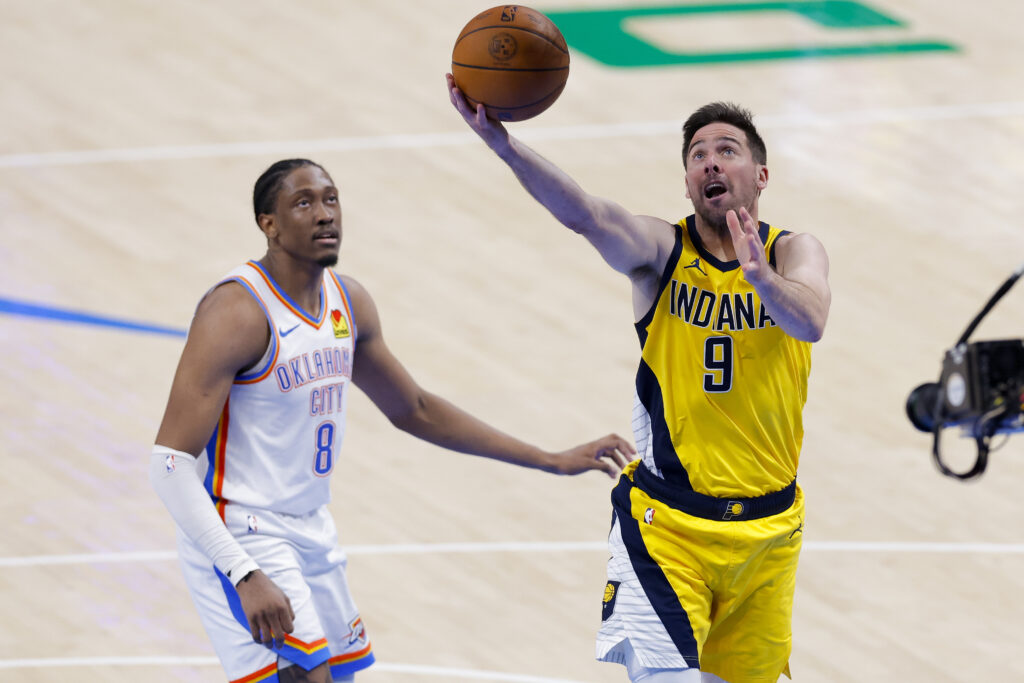
T.J. McConnell is basically the human definition of continuity in a season that has gone off the rails for the Pacers. McConnell officially signed in July 2019 and has been a vital part of the team’s identity ever since.
Even now, his production still looks like an NBA player who knows exactly what he is. McConnell is averaging 9.5 points, 2.2 rebounds, and 4.8 assists, shooting 53.6% from the field. That’s efficient backup guard offense, plus real playmaking.
The tough part is the context around him. The Pacers are 13-40 and dead last in the East, so a lot of this season has been about surviving nights rather than building momentum. That’s also why McConnell staying put makes sense. He’s one of the few guards on the roster who can organize a possession without things getting sloppy.
His contract reflects that “trusted veteran” slot. He signed a four-year, $44.8 million deal, at $10.2 million in 2025-26. And because he’s been around since 2019, he’s now the longest-running thread through multiple roster pivots. From the Domantas Sabonis days to the Tyrese Haliburton current era that landed him in the NBA Finals last season, McConnell has been the ultimate role player.
He’s not the star of the franchise. He’s the stabilizer. On a team sitting 15th, that role becomes even more obvious.
Los Angeles Clippers – Kawhi Leonard (6th Season)
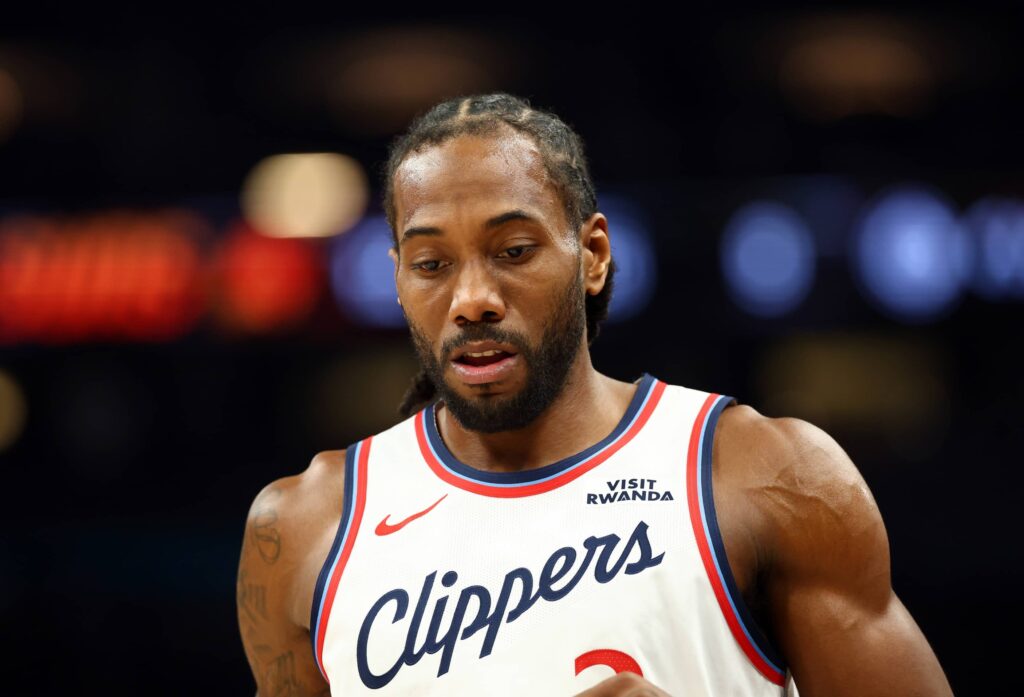
Kawhi Leonard is the Clippers’ longest-tenured player after the deadline, and it means Leonard has outlasted almost everything the Clippers tried to stack around him. He arrived in the 2019 offseason, immediately became the franchise’s centerpiece, and he’s still the reference point even as the team keeps reshaping the supporting cast.
This season is the strongest version of the Leonard argument in years because he’s actually playing like the guy. He averages 28.0 points, 6.3 rebounds, and 3.7 assists, shooting 49.5% from the field. He’s been a steals monster (2.1 per game) and scoring a career-high level in the season.
The team context is messy, though. The Clippers are 25-27 and ninth in the West, living in play-in territory and trying to find stability. The deadline also underlined how much change is happening around Leonard: James Harden was traded out for Darius Garland, a move that reads like a pivot toward a different timeline, even if Leonard is still the best player on the floor right now.
Leonard’s career résumé is still outrageous. Two championships, Finals MVPs, Defensive Player of the Year, and the defensive accolades that put him in the “two-way wing archetype” hall of fame. The debate with Leonard is never talent. It’s availability and how long the Clippers can keep threading the needle between “win now” and “what’s next.”
His tenure is likely to end once his contract is up, with Paul George already departing before last season’s start in free agency. 2027 might be his last season with the Clippers, but there’s no doubt about how much he gave to the team, even as injuries piled up through every postseason.
Los Angeles Lakers – LeBron James (8th Season)
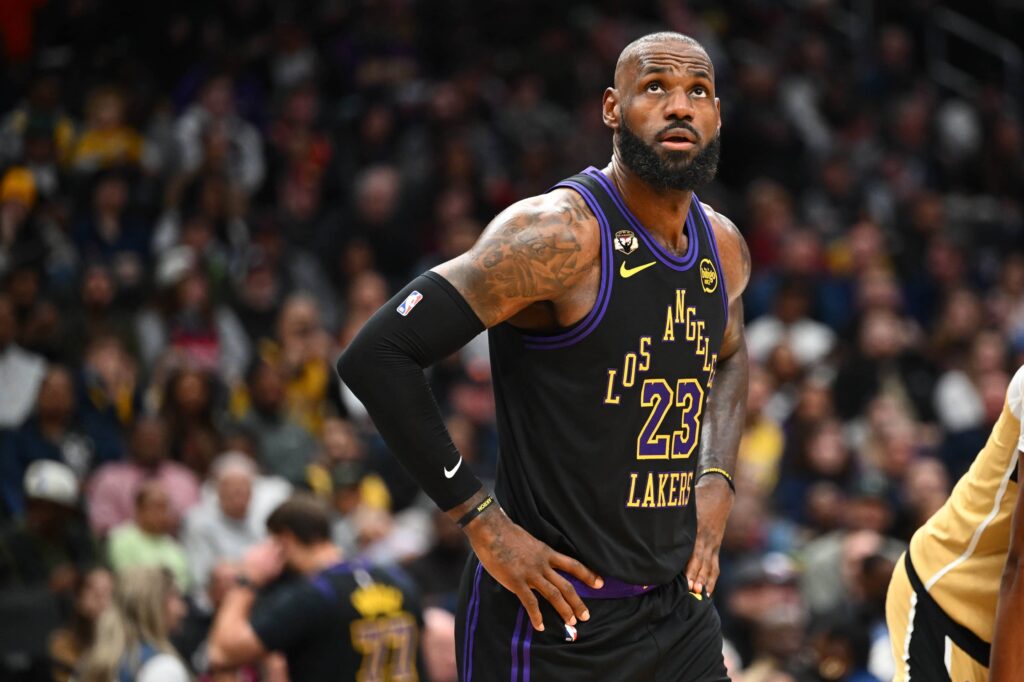
LeBron James is still the Lakers’ franchise star, but this season has felt like the start of a handoff more than a victory lap. The Lakers are 32-19 and still winning at a real clip, yet the roster’s center of gravity has clearly shifted toward Luka Doncic, who leads the team in scoring (32.8 points) and assists (8.6) and is already being treated like the franchise’s next decade.
James’ on-court line is still ridiculous for Year 23: 21.8 points, 5.7 rebounds, 6.8 assists on 50.1% from the field. And his career line is ridiculous; he’s at 26.9 points, 7.5 rebounds, 7.4 assists for his career with a 50.6% field goal mark across 1,596 regular-season games.
The question is what comes next, because the contract structure and the reporting both point to an inflection point. At $52.6 million in 2025-26, he’s headed into an offseason where his next decision is the story, not the deadline. Over the past week, James has been in plenty of rumors, but his plans for next season are still unknown. ESPN went further, describing a league-wide sentiment that both sides could be ready to move on after the season.
That’s why the “longest-tenured” tag hits differently here. This isn’t a franchise clinging to its past. It’s a contender trying to win now, while the future already has a name on it.
So LeBron is still the longest-tenured Laker, still an All-NBA-level driver of winning, and still the loudest presence in the building. But the shape of the season, and the reporting, make it feel like the last chapter of this version of the Lakers is being written in real time.
Memphis Grizzlies – Ja Morant (7th Season)
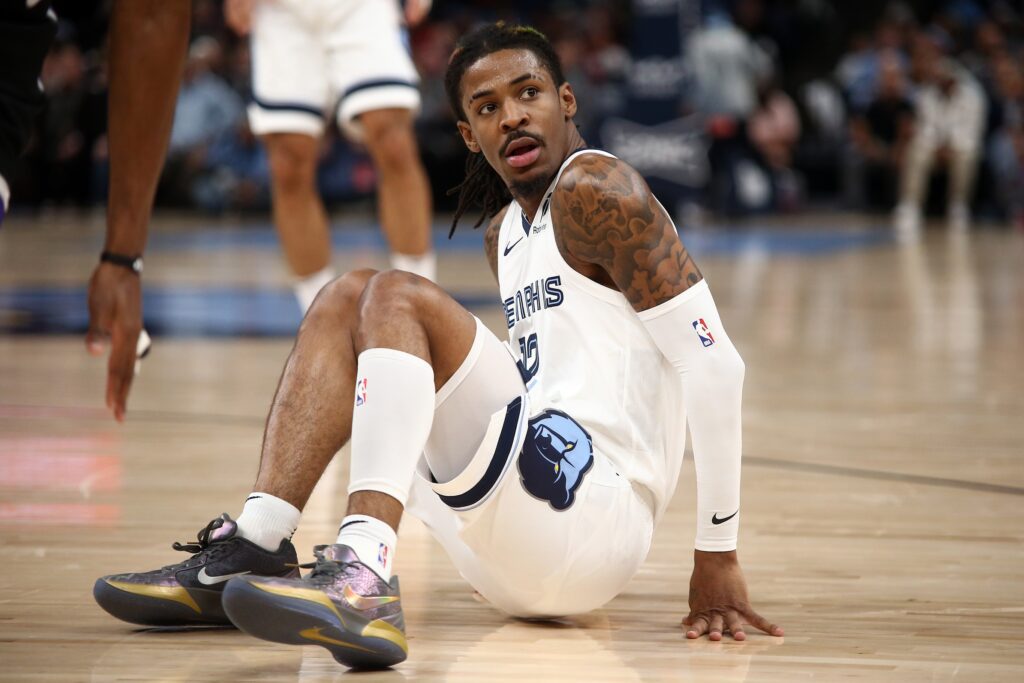
Ja Morant is the Grizzlies’ longest-tenured player after the deadline, and it’s almost impossible to separate that fact from what the Grizzlies just did to their identity. They traded Jaren Jackson Jr. to the Jazz in the first true bomb of deadline week, getting an eight-player package and three future first-round picks back. Jackson was a 2018 top-five pick, a Defensive Player of the Year-level anchor, and the clearest “this is who we are” guy on that roster.
Once that move happened, Morant became the last remaining face card. Drafted No. 2 in 2019, he’s now the longest-running thread through every modern Grizzlies version: the young overachievers, the contender push, the chaos, and now whatever this pivot is.
His 2025-26 numbers show both the talent and the turbulence: 19.5 points, 3.3 rebounds, 8.1 assists, but only 41.0% from the field, and he’s currently listed as out. The team context is rough, too. The Grizzlies are sitting 20-31 and 11th in the West right now, which lines up with why they’d even consider ripping out a core piece like Jackson in the first place.
And this is where the reporting matters. Joe Vardon’s reporting says the Grizzlies intend to revisit Morant trade talks in the 2026 offseason and plan to move him then, after failing to find an offer that matched their asking price before the deadline.
So Morant being the longest-tenured Grizzly isn’t a cute loyalty stat. It’s a snapshot of a franchise in the middle of a teardown, where the last star standing is also the next star likely to be shopped. If the Jackson trade was the signal flare, the Morant noise is the follow-up.
Miami Heat – Bam Adebayo (9th Season)
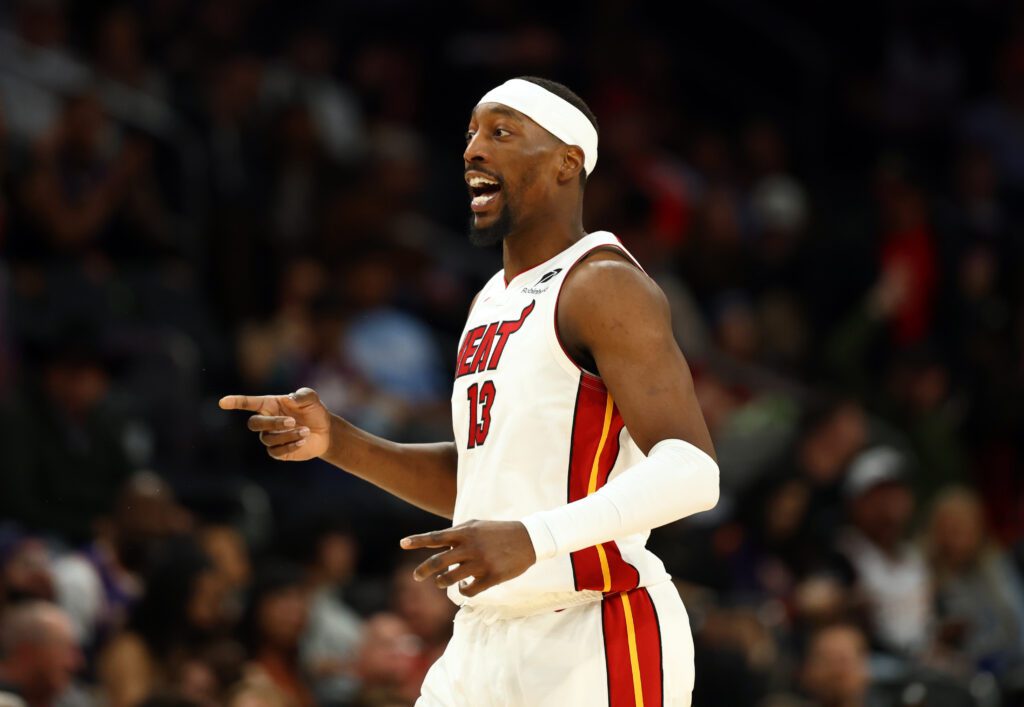
Bam Adebayo is still the Heat’s identity anchor, and unlike a lot of teams on this list, the “tenure” and the “franchise centerpiece” labels actually match. Adebayo was drafted in 2017, developed into an All-Star, and is still the roster’s most stable two-way pillar after the Heat moved on from the Jimmy Butler era.
That Butler pivot saw the Heat send him to the Warriors in a massive five-team deal in February 2025, bringing back Andrew Wiggins, Kyle Anderson, and a protected first-round pick, among other moving parts. Since then, the Heat’s identity has been more about continuity, defense, and finding scoring where they can. Adebayo sits right at the center of that.
His 2025-26 season numbers are strong but not inflated: 18.2 points, 9.8 rebounds, 2.7 assists, shooting 44.6% from the field. The impact is felt in the night-to-night responsibility. Last night is a good example: Adebayo scored 22 in a 132-101 win over the Wizards as the Heat improved to 28-26.
That record is the point. The Heat aren’t tanking. They’re living in the play-in traffic where consistency matters, and Adebayo is the one player whose role never changes. Even as different wings and guards rotate through, Adebayo is still the defensive backbone and the offensive release valve, the guy who has to cover mistakes, clean the glass, and still score enough to keep the offense from stalling.
Adebayo has been there the longest; he’s producing at a near 18-and-10 level, and after Butler’s exit, he’s the clearest symbol of what the Heat are trying to be now.
Milwaukee Bucks – Giannis Antetokounmpo (13th Season)
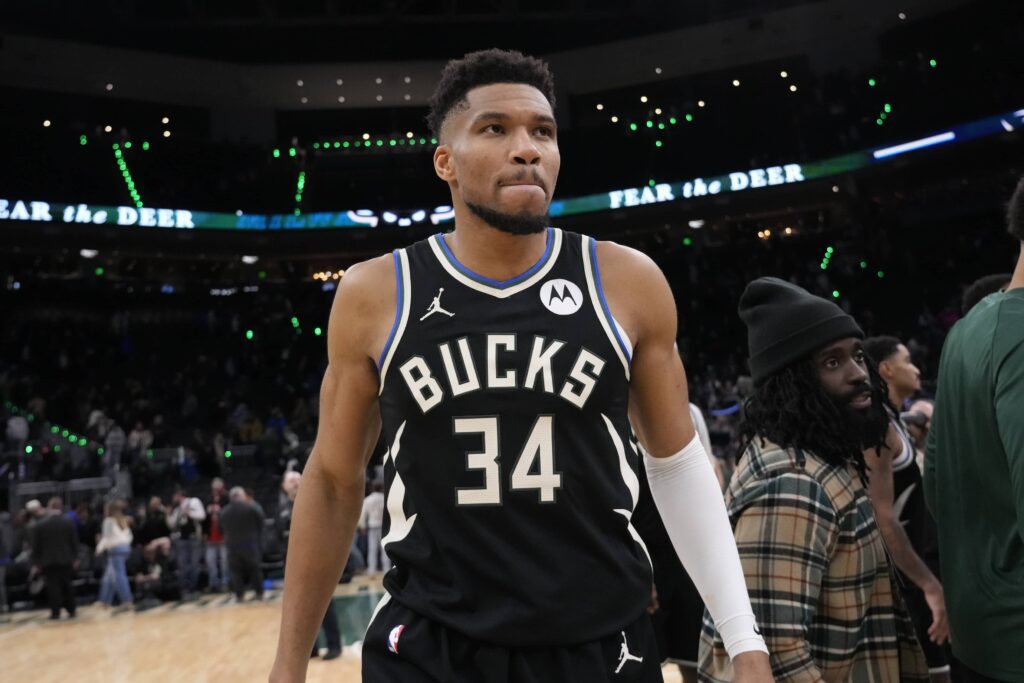
The Bucks have changed coaches, changed co-stars, changed supporting casts, and still wake up every morning with the same truth: Giannis Antetokounmpo is the whole ecosystem. That’s why his longevity hits harder than a normal “tenure” note. He’s not just the guy who has been around the longest, since 2013 in the NBA Draft. He’s the reason the Bucks are allowed to believe in any season at all.
The résumé is basically a Hall of Fame paragraph on its own. Antetokounmpo is a champion (2021) and Finals MVP, a two-time league MVP, and a Defensive Player of the Year. He’s also a Most Improved Player, a perennial All-NBA and All-Defensive selection, and he made the NBA 75th Anniversary Team. That’s not “great player on a good team.” That’s an all-time franchise player who already delivered the title and still plays like he’s chasing another one.
His 2025-26 production is still MVP-level: 28.0 points, 10.0 rebounds, 5.6 assists, and a ridiculous 64.5% from the field. That finishing number is the most important part. It means defenses can’t “scheme him into inefficiency.” They can only try to survive the damage.
Now the uncomfortable part for the Bucks. The deadline didn’t move him, but the temperature is rising toward the offseason. Reporting around the deadline had the Bucks telling teams he wouldn’t be traded, while the broader league conversation keeps circling the same question: Does this summer turn into the first real inflection point where Giannis looks around and decides he’s done waiting?
Contract-wise, he’s under contract beyond this season, with the key markers being extension eligibility and a future player option later in the deal. That’s exactly why this summer could feel like the loudest “decision window,” even if nothing technically forces action. The Bucks can say, “We don’t have to trade him.” Giannis can say, “Fine, then prove it with the roster.”
But he’s still the best two-way force in the league on a nightly basis, and the only reason a “last summer” narrative even exists is that his standard is championships, not relevance.
Minnesota Timberwolves – Naz Reid (7th Season)
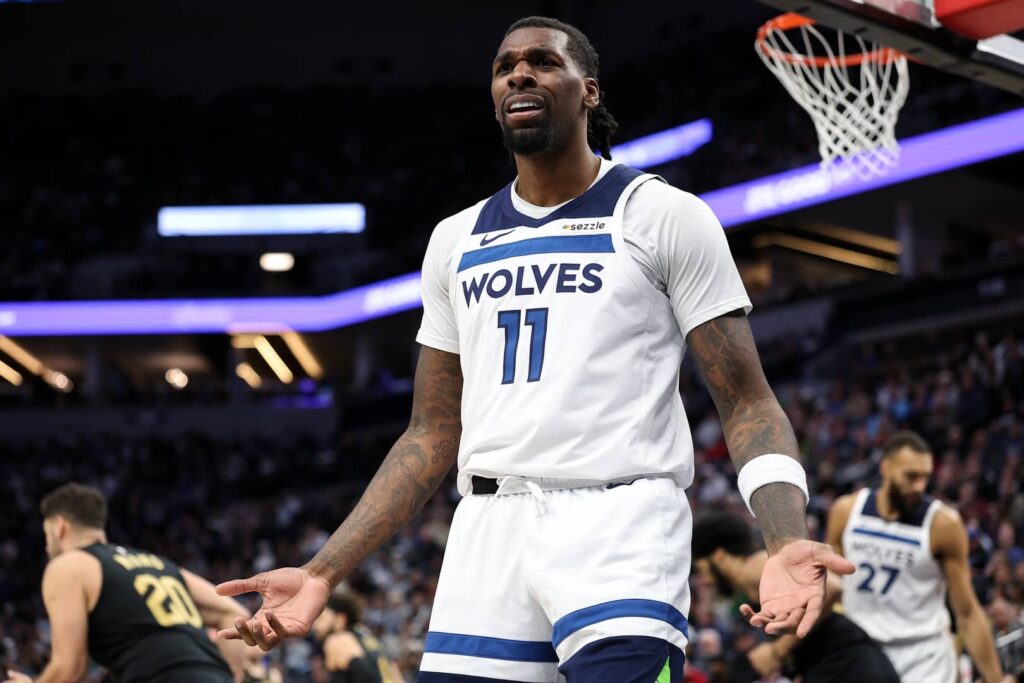
Naz Reid, being the Timberwolves’ longest-tenured player, is the kind of detail that sounds fake until you remember how much that roster has changed. Reid has been with the Timberwolves since 2019, when he came into the league undrafted and stuck.
Karl-Anthony Towns was supposed to take the crown, but his unexpected 2024 offseason move to the Knicks completely changed the scenery and left Reid as the last piece standing of that era.
He’s also not just “still there.” He’s producing. Reid is averaging 14.4 points, 6.4 rebounds, and 2.5 assists on 47.0% shooting. That’s real rotation scoring, the type that swings second and third quarters when starters sit.
The Timberwolves are 32-22 and sixth in the West, which is why Reid’s role matters in a serious way. They’re not just collecting stats in garbage time. They’re trying to win playoff games, and Reid is one of the few bigs in the league who can play as a bench scorer while still fitting modern spacing and pace.
The contract tells you how the franchise views him. Reid re-signed on a five-year, $125.0 million deal, and his 2025-26 salary is $21.6 million. So the longest-tenured label is really just the punchline to the bigger point: Reid climbed from undrafted to essential, and the Timberwolves made sure he didn’t hit the market again.
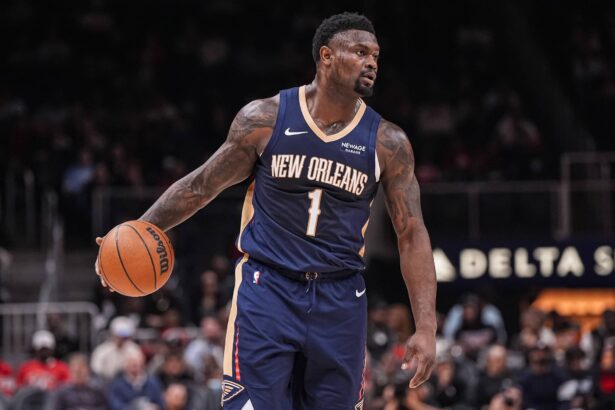
New Orleans Pelicans – Zion Williamson (6th Season)
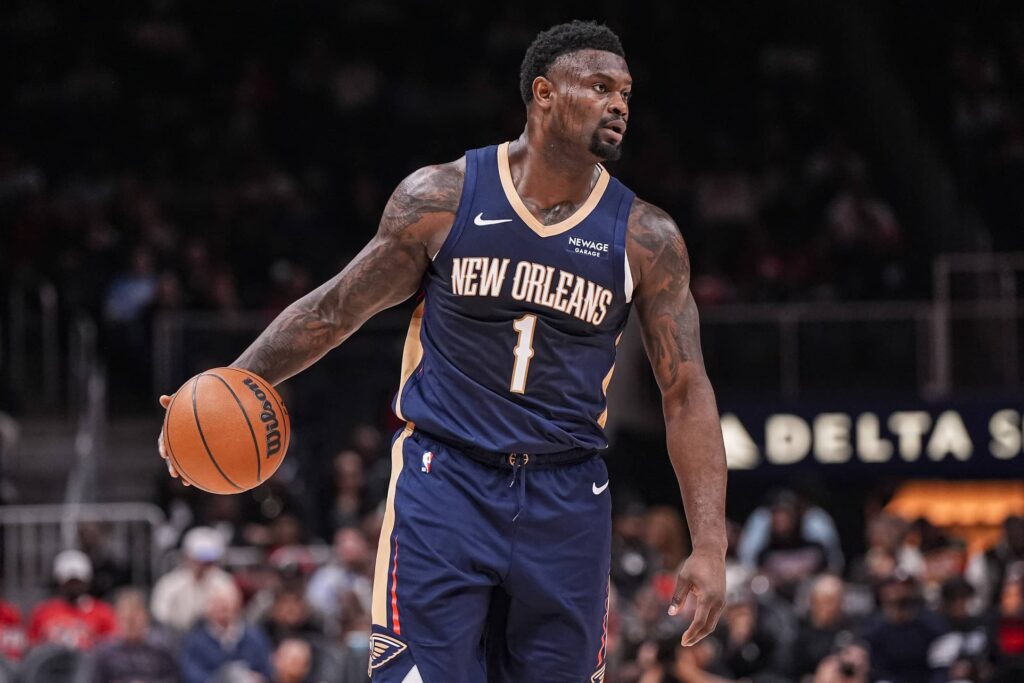
Zion Williamson is still the center of the entire franchise conversation because nobody else on the roster bends a defense as he does. He was drafted No. 1 in 2019, and after the deadline, he’s still the longest-running piece left in the organization’s current cycle.
The season numbers are strong and clean: 21.6 points, 6.2 rebounds, 3.4 assists, 58.1% from the field. That’s the Zion baseline when he’s on the floor: elite paint scoring, efficient finishing, and enough playmaking to punish double teams when teams sell out early.
Now the hard part. The Pelicans are 14-40 and 14th in the West. That record changes how every Zion sentence reads. His games matter, but they’re happening inside a losing season, and that creates the constant tension: are the Pelicans building toward him, or are they stuck trying to justify a timeline that hasn’t stabilized?
His contract keeps the pressure on the franchise and on him. Williamson carries a $39.4 million cap hit in 2025-26, part of his five-year, $197.2 million extension. And the structure is not just “pay the star.” There are salary guarantee triggers tied to games played thresholds, which is a very loud way of saying availability has been part of the negotiation story.
That’s why Zion is such a sharp “longest-tenured” entry. He’s the most talented player the Pelicans have had in this era, he’s still producing at an All-Star level when active, and the franchise is still trying to find the version of itself that actually matches his prime.
But the Pelicans face real questions about his future next offseason, and while it’d be even more unexpected to see him traded after all the drama he’s stuck through, Zion’s Pelicans tenure is in danger, maybe more than ever.
New York Knicks – Mitchell Robinson (8th Season)
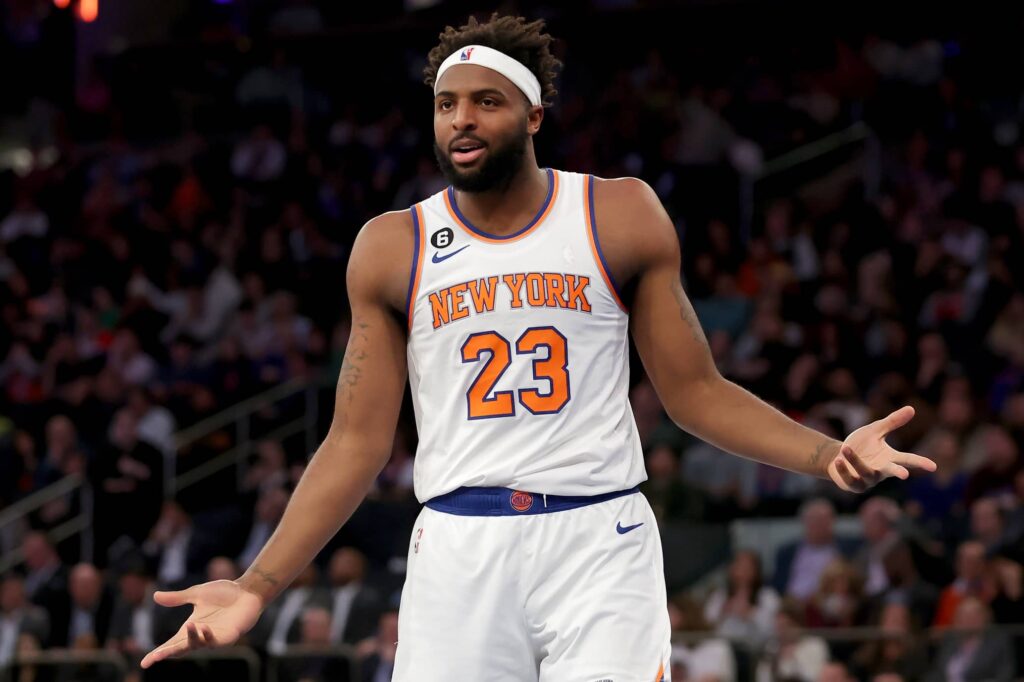
The Knicks drafted Mitchell Robinson in 2018 with the No. 36 pick, and he’s still the same archetype that makes every roster look tougher: vertical spacing, offensive boards, and real rim protection.
Robinson was never supposed to carry the team, but he’s become their best defensive anchor at the rim, as he’s seen the team change eras from their rebuilding, losing seasons, to the Jalen Brunson arrival in 2022-23, where the Knicks have been transformed into a giant threat to reach the NBA Finals.
This season, he’s at 4.8 points, 8.9 rebounds, 1.0 assists, shooting 69.0% from the field. The minutes are down (19.9 per game), but the impact is still obvious when he’s on the floor because the rebounding rate stays elite.
Contract-wise, he’s on the last year of the four-year, $60.0 million deal he signed in 2022, and his 2025-26 salary is $12.95 million.
Oklahoma City Thunder – Shai Gilgeous-Alexander (7th Season)
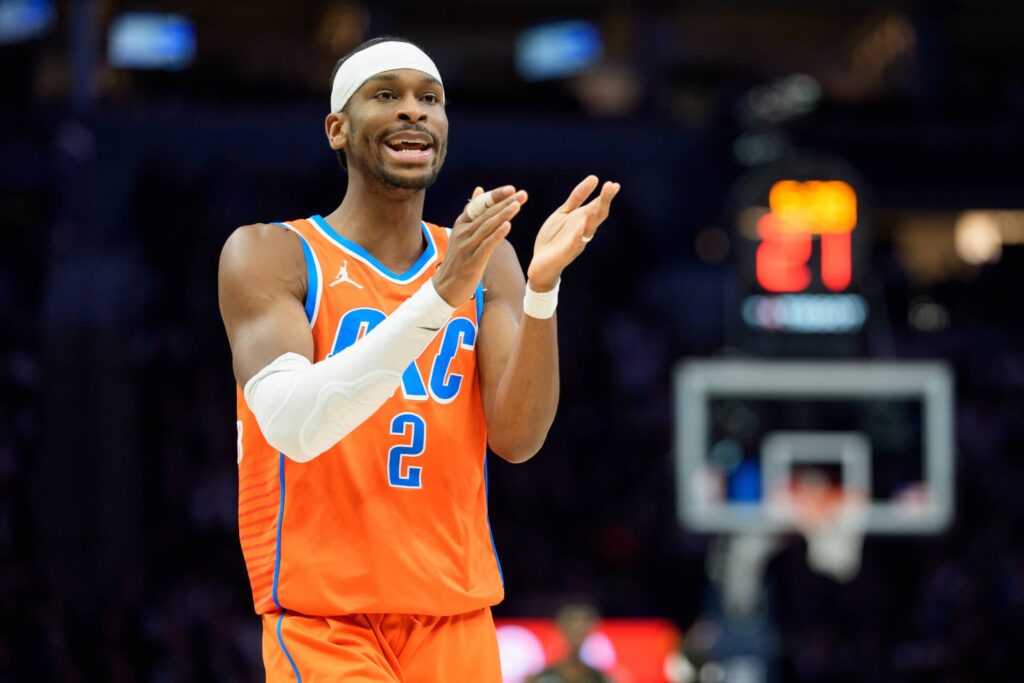
The Thunder’s whole modern timeline starts with Shai Gilgeous-Alexander landing there in the 2019 offseason as part of the Paul George deal to the Clippers, and he’s basically turned that trade into a dynasty-level outcome.
The accolades stack is already insane for a guy still in his 20s: MVP, Finals MVP, champion, scoring champ, multiple All-NBA selections, and he’s a multi-time All-Star. That résumé matters because it frames the 2025-26 season properly. This isn’t “a star putting up big numbers.” This is the league’s best player profile with the hardware to back it.
And the numbers are right there. Gilgeous-Alexander is averaging 31.8 points, 6.4 assists, and 4.4 rebounds, and shooting 55.4% from the field. That is guard scoring volume with center efficiency, and it’s why defenses look helpless when he gets to his spots.
He’s also been dealing with an abdominal strain and is expected to miss time through the All-Star break, which is the only thing slowing the Thunder machine right now.
For his contract, he’s making $38.33 million in 2025-26, which is exactly what a franchise cornerstone costs when he’s already proven he can be the best player on a title team.
Orlando Magic – Jonathan Isaac (7th Season)
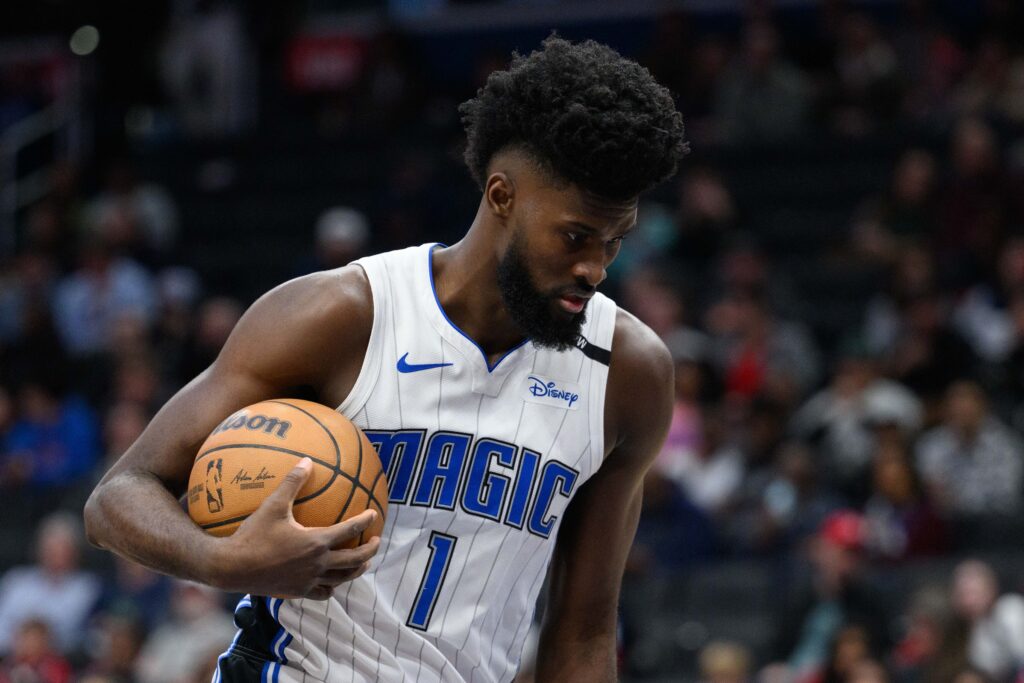
Jonathan Isaac arrived with the Magic as the No. 6 pick in 2017, and he’s basically been a “defense first, everything else second” bet ever since.
He landed in Orlando as the team was in the middle of a retool, but competitive process, and has been a roster piece with the team now transformed into a true Eastern contender.
The contract is the clean part: Isaac is at $15.0 million in 2025-26.
The career line with the Magic is also straightforward. He’s played seven seasons there, averaging 6.9 points and 4.6 rebounds across 319 regular-season games.
This season, the role is smaller: 2.8 points and 2.5 rebounds, shooting 43.6% from the field.
Philadelphia 76ers – Joel Embiid (10th Season)
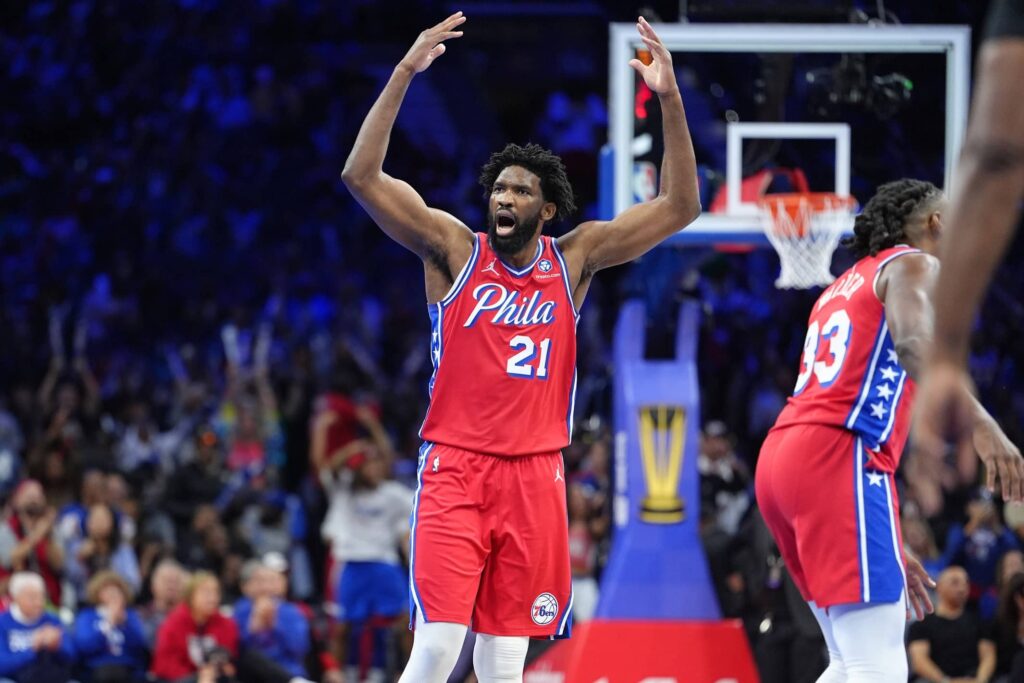
The Sixers went through the entire “Process” arc, and Joel Embiid is the guy who made it real. He was drafted in 2014, missed time early, then turned a rebuild into an actual contender window. Now, even with the roster shifting around him over the years, the Sixers’ identity is still the same: if Embiid is rolling, they can beat anybody.
That’s not nostalgia. It’s the current reality. The Sixers are 30-22 and sitting sixth in the East, and they’ve won six of their last seven. Embiid is the reason the floor stays high. He’s averaging 26.6 points, 7.5 rebounds, and 3.9 assists, while shooting 49.4% from the field. The scoring load is still massive, but the efficiency is what keeps them in the contender lane, not the “good but flawed” lane.
Accolades matter here because they explain why this rebuild actually landed. Embiid won the 2022-23 MVP, and he’s also a two-time scoring champion (rare for a center in any era). That’s the “rebuild to contender” stamp. The Sixers didn’t just find a star. They found an entire offensive ecosystem.
Contract-wise, he’s paid like a franchise engine: $55.2 million in 2025-26. And the way the Sixers are playing right now, it reads less like “late-prime maintenance” and more like another real push.
Phoenix Suns – Devin Booker (11th Season)
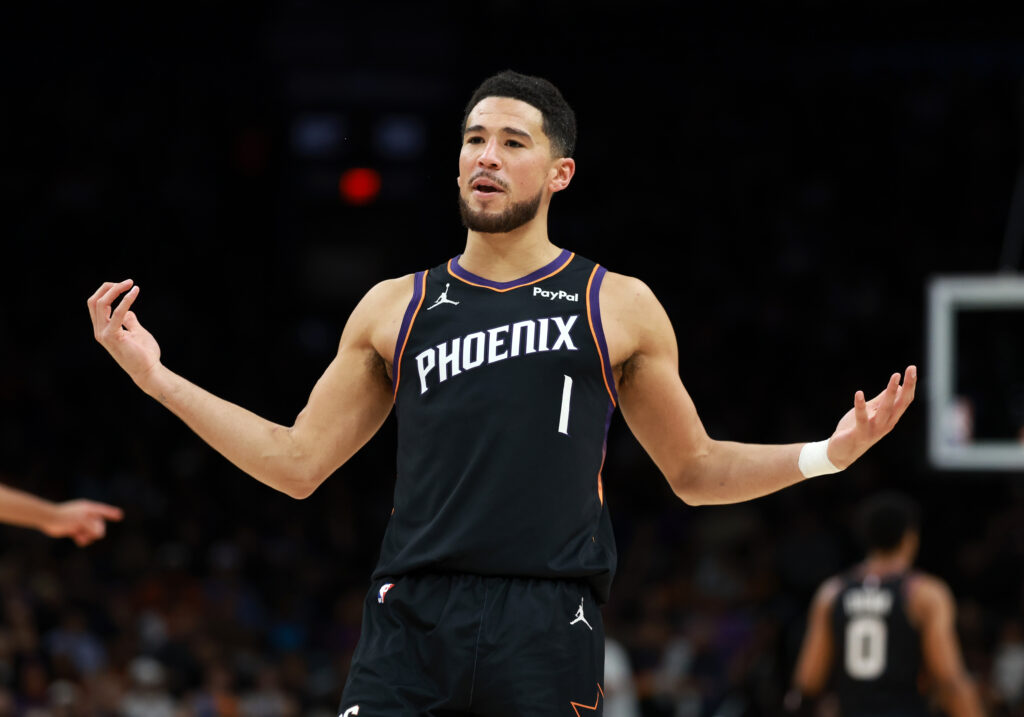
The Suns’ timeline is the modern blueprint: years in the lottery, one drafted scorer turns into the face, then the franchise builds a contender identity around him. Devin Booker was drafted in 2015, lived through the ugly seasons, then pushed the Suns into the contender tier and never let them fall back into irrelevance.
This season is a little messy, but the baseline is still strong. Booker is averaging 25.3 points, 4.0 rebounds, and 6.3 assists, while shooting 45.6% from the field. The three-point shooting has been the weird part: 30.7% from three on 5.5 attempts per game, which is low by his standards and one reason the Suns’ offense hasn’t always looked as clean as the name value suggests.
They’re also not running away from anything in the standings. The Suns are 31-22, still in the thick of the West race, but not sitting in that “top-two seed, no stress” zone either. That’s why Booker’s availability has mattered so much. He just came back from a seven-game absence and put up 21 points and nine assists in his return, which tells you the engine still hums even if the shot isn’t fully back yet.
The franchise commitment is loud. Booker signed a two-year, $145.0 million extension last summer to keep him under contract through 2029-30. That’s not a team hedging. That’s the Suns saying, “This is the guy we’re building around, period.”
Portland Trail Blazers – Shaedon Sharpe (4th Season)
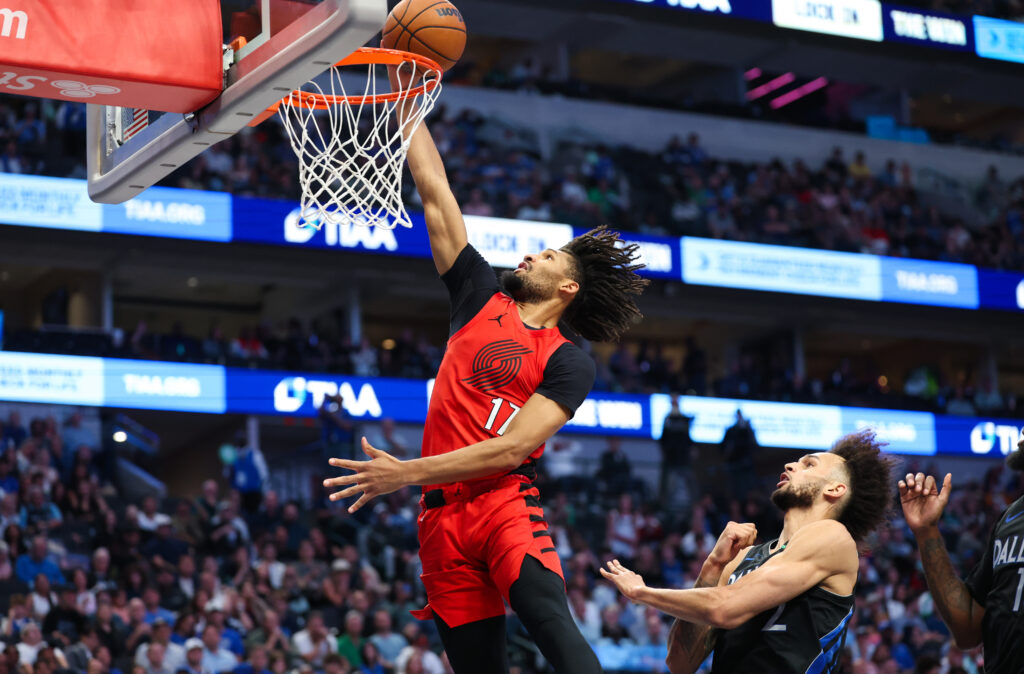
Shaedon Sharpe is actually the face of the timeline now for the Trail Blazers. He’s been in the building since draft night 2022, and after the deadline, he’s still the longest-running “real” young pillar on the roster that the franchise is building around.
Obviously, the title would’ve gone to Damian Lillard, who came back in the last offseason after being waived by the Bucks. But after two seasons away from the team, the crown has swapped hands.
Sharpe was drafted No. 7 overall in 2022, and the whole point of taking him that high was upside: explosive athlete, shot-making flashes, and the kind of wing scoring that you can’t manufacture later with mid-tier picks.
This season is the first time the box score looks like an actual lead option, not just a prospect. Sharpe is averaging 21.4 points, 4.4 rebounds, 2.6 assists, shooting 45.6% from the field, 34.0% from three, and 78.4% from the line.
That is real volume scoring. It’s also not “empty calories,” because the role is hard. He’s taking a ton of self-created attempts, he’s seeing loaded help, and the efficiency is still at least in the playable range for a young scorer.
Career-wise, he’s up to 15.8 points, 4.0 rebounds, 2.2 assists across 232 games, which shows the arc: he wasn’t born as a 20-point guy, he grew into it.
More importantly, he already agreed to a four-year, $90.0 million rookie extension that starts next season, so the organization is telling you directly who they believe in as a core piece.
Sacramento Kings – Domantas Sabonis (5th Season)
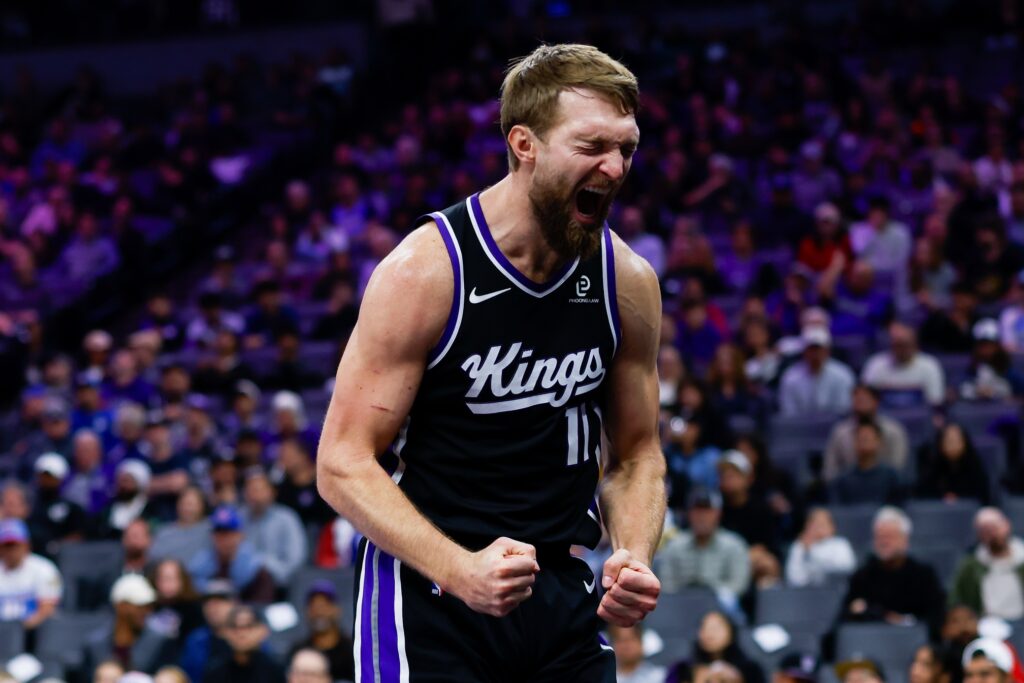
Domantas Sabonis has been the Kings’ backbone since they brought him in from the Pacers in the February 2022 deal that reshaped the franchise’s direction.
On the floor, he’s still doing the exact Sabonis thing: steady interior scoring, elite rebounding, and enough playmaking to keep the offense connected. This season, he’s at 15.8 points, 11.4 rebounds, and 4.1 assists, also shooting 54.3% from the field. That’s not the loudest scoring line in the league, but it’s the kind of production that stabilizes a roster every night, especially when lineups and guards are constantly changing.
The team context is rough right now. The Kings are 12-42, sitting 15th in the West. And that’s part of why Sabonis matters for this “longest-tenured” concept: even through a season that has gone sideways, the one thing you can still build a coherent offense around is a big who can rebound, finish, and pass.
Contract-wise, he’s paid like a real franchise pillar. He signed a four-year, $186.0 million extension in July 2023, and his 2025-26 salary is $42.3 million.
There are real questions about his future in the franchise, and his tenure might be over next summer after a lot of chatter involving him with teams like the Raptors and Wizards, which ultimately didn’t materialize at the deadline.
San Antonio Spurs – Keldon Johnson (7th Season)
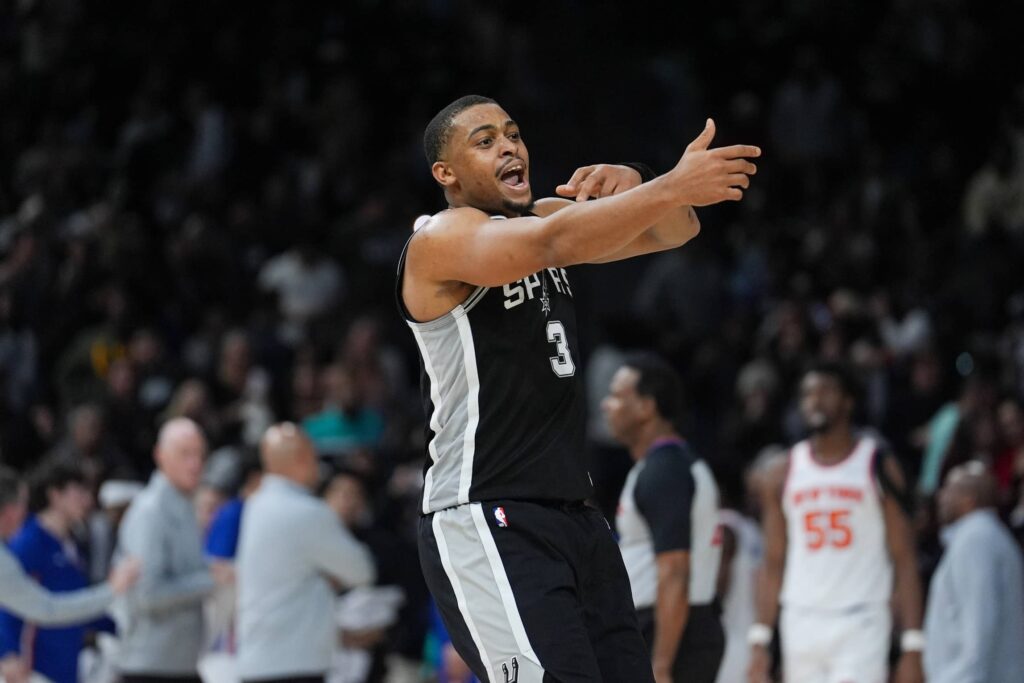
Keldon Johnson was drafted by the Spurs in 2019 (late first round) and has basically become the longest-running “adult” voice from the pre-Victor Wembanyama phase into the current contender phase.
His 2025-26 stat line is clean and efficient: 13.5 points, 5.9 rebounds, 1.4 assists, shooting 55.2% from the field. And he’s still doing what he’s always done best for this team: play hard, run the floor, hit open shots, and punish smaller lineups with strength.
The bigger point is where the Spurs are now. They’re 36-16, sitting second in the West, and they’re playing like a real contender instead of a “fun young team.” Johnson is not the headliner, but he’s the kind of long-tenured role wing contenders need because the minutes don’t get weird when the games get tight.
Toronto Raptors – Scottie Barnes (5th Season)
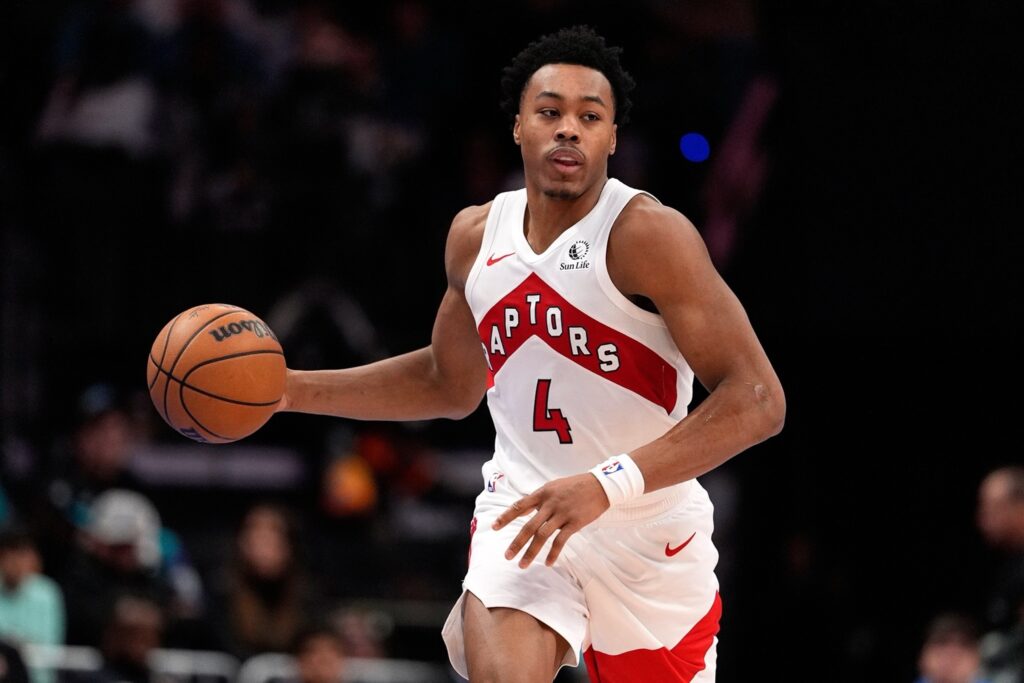
Scottie Barnes is the Raptors’ longest-tenured player because he’s been the in-house centerpiece since he was drafted No. 4 in 2021, and the organization has now fully built the timeline around him.
This season, Barnes looks like a real “do everything” star: 19.4 points, 8.4 rebounds, 5.6 assists, shooting 50.6% from the field. The stat line matches the role, too. He’s not just scoring. He’s driving possessions as a passer and rebounder, and he’s been stacking big two-way nights, like the 25-point, 14-rebound game in the win over the Pacers last night.
The Raptors are finally thriving at 32-22, fifth in the East. That’s why Barnes’ “tenure” is important here. It’s not surviving on a bad team. It’s being the constant while the Raptors stay in the playoff mix.
Contract-wise, he’s already on the max path: a five-year, $224.2 million designated rookie extension that starts in 2025-26.
Utah Jazz – Walker Kessler (4th Season)
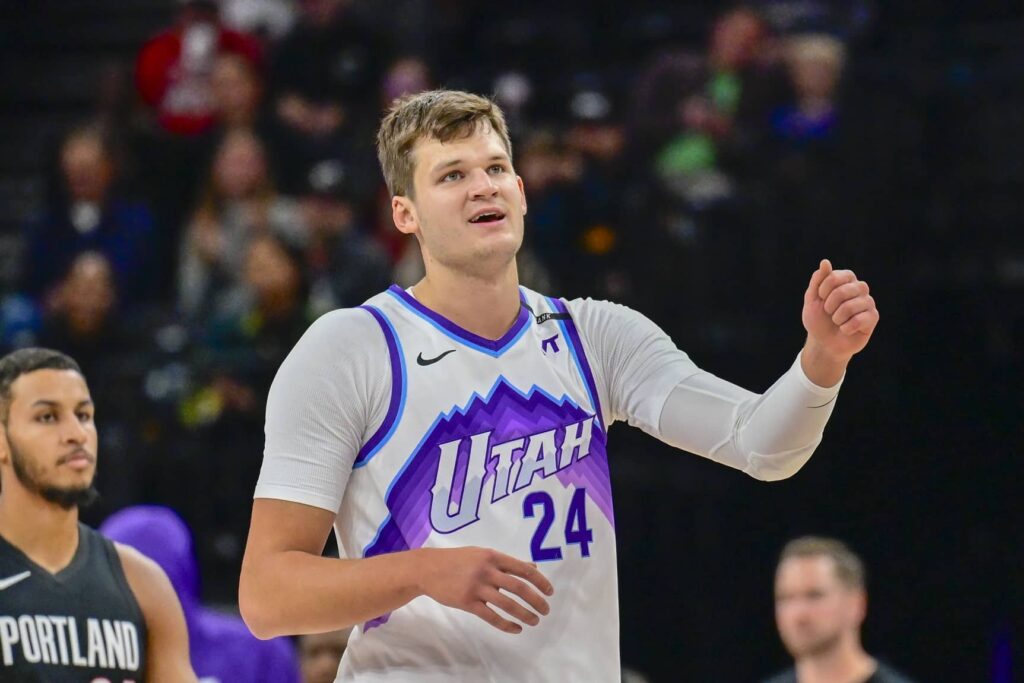
The Jazz didn’t draft Walker Kessler, but they’ve basically built their current identity around him anyway. He arrived in the 2022 Rudy Gobert mega-deal, and since then, he’s been the one Jazz big who clearly fits modern roster math: elite rim protection, huge rebounding gravity, and enough touch that he doesn’t clog the floor.
This season was the cleanest version of his growth before the injury hit. Kessler put up 14.4 points, 10.8 rebounds, 3.0 assists, plus 1.8 blocks and 1.4 steals while shooting a ridiculous 70.3% from the field. That line is not just “dunker who blocks shots.” The assists jumping to 3.0 a night tells you the Jazz were trusting him to make reads, not just finish plays.
Then the gut punch: he tore the labrum in his left shoulder and is out for the season with surgery. That’s a big deal for a Jazz team sitting 16-37, 13th in the West, because when you’re already losing, the one thing you can’t afford is losing your defensive spine.
He’s still on his rookie deal at $4.9 million in 2025-26, and he’s headed toward restricted free agency after the season. That’s exactly why he’s such a key “longest-tenured” type for this roster: he’s young, productive, cheap relative to his impact, and the Jazz can control his next contract decision.
Even with the roster shifting at the deadline, the Jazz’s long-term picture still looks like: protect the paint, own the glass, and let the perimeter pieces grow around that. Kessler is the anchor for all of it, even if the season ended early on him.
Washington Wizards – Justin Champagnie (3rd Season)
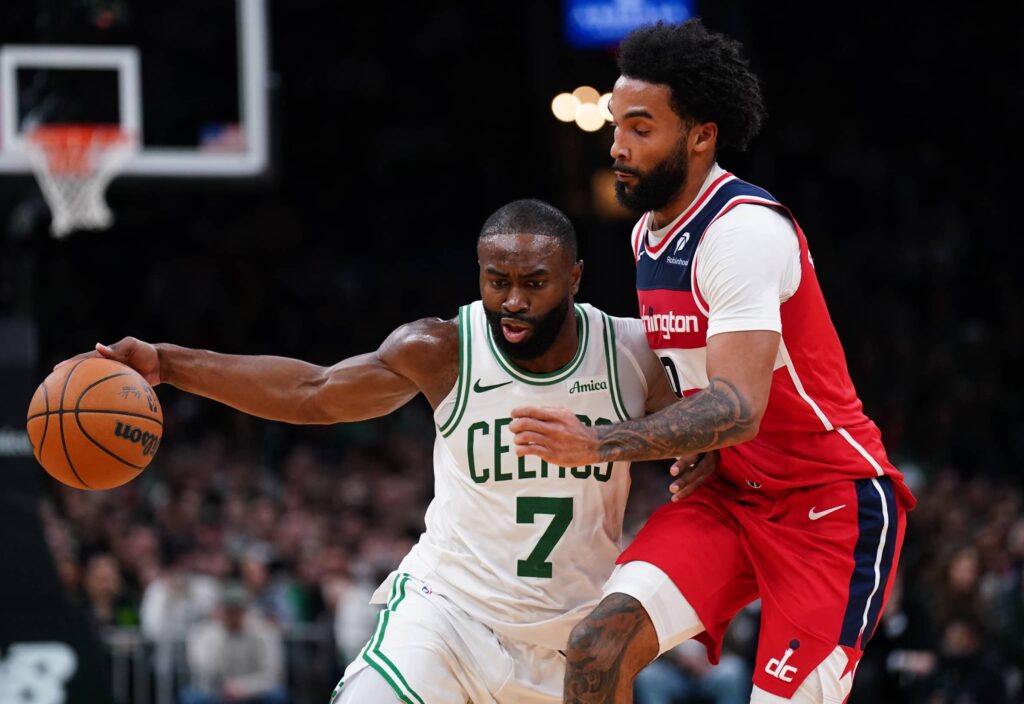
Justin Champagnie, being the Wizards’ longest-tenured player after the deadline, says everything about how much they’ve flipped the roster in a short time. He’s not a star, but he’s been around long enough to outlast the chaos because he was already in the building before the big swings started.
Champagnie first joined the Wizards on a 10-day deal in February 2024, then signed a two-way contract on March 3, 2024. The next year, the Wizards locked him in with a four-year deal in March 2025. That’s real organizational belief for a guy who came in as a low-risk flier.
This season, he’s been a legit rotation forward: 7.7 points, 5.7 rebounds, 1.1 assists on 49.8% from the field.
The Wizards are 14-38, 14th in the East, basically living in development mode. In that kind of season, guys like Champagnie become important because they’re cheap, they play hard, and they don’t need plays called for them to contribute.
For this list, Champagnie is a perfect Wizards entry: not because he’s the face, but because he’s the rare player who survived the churn and is still clearly part of the day-to-day plan.