The February 5 trade deadline came and went, but it didn’t really close the market. It just moved the biggest conversations to the summer, where the rules are looser, the pick packages get cleaner, and teams have time to digest what they actually are.
This ranking is not “best players who could theoretically be traded.” It’s the mix of real reporting, contract pressure, team direction, and plain logic. Some names are in the eye of the storm. Others are more about the chessboard: a team that needs to pivot, and a contract that forces a decision.
Here are the 10 stars I’d circle first when the 2026 offseason starts.
1. Giannis Antetokounmpo
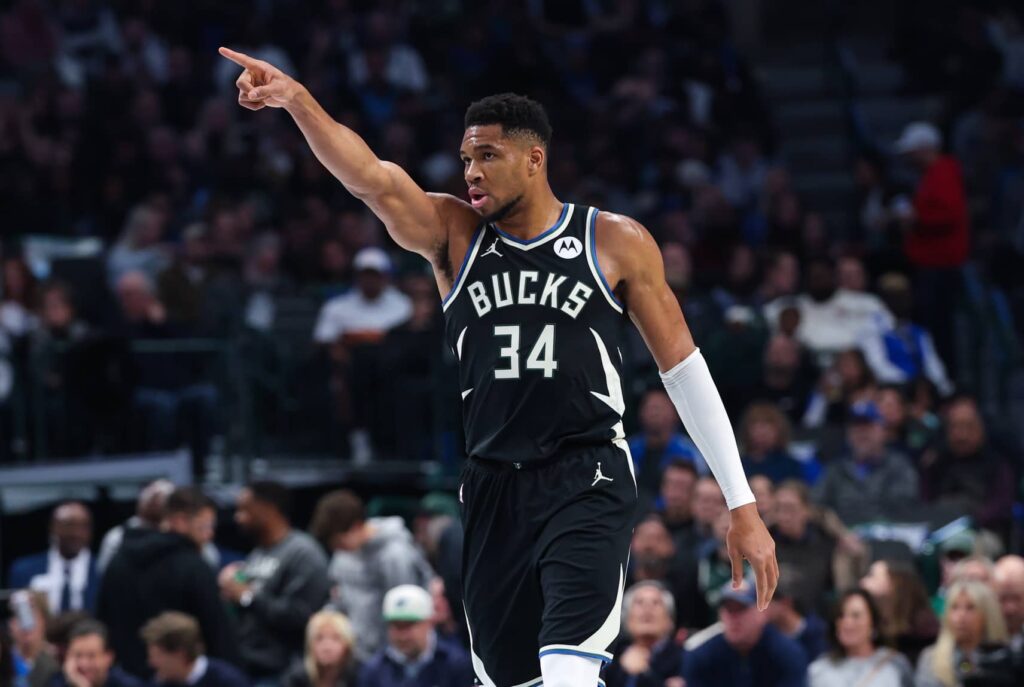
Giannis Antetokounmpo is the most likely star to move in the 2026 offseason because the league has already reached the stage where concrete frameworks were discussed ahead of the trade deadline.
On January 28, Shams Charania reported that Antetokounmpo was “ready for a new home” either at the February 5, 2026 deadline or in the offseason, and that the Bucks were beginning to listen as multiple teams presented aggressive offers. Charania also identified the primary suitors as the Heat, Warriors, Knicks, and Timberwolves, which signaled that the interest was not speculative and that legitimate packages were being explored.
When a superstar’s name is even on the table in early February, those conversations rarely die in March. They go dormant, then pick back up hard once the season ends, especially with the same cluster of aggressive teams circling. The Warriors, Knicks, Timberwolves, and Lakers all make sense as repeat callers because they can justify the asset price, and they can sell a real “title window now” plan the moment a Giannis lane opens.
The leverage piece is what makes this feel likely. The Bucks are 21-29 and 12th in the East, which is nowhere near the standard of a roster built around a two-time MVP. If Antetokounmpo believes the current build has peaked, the offseason is the cleanest time to turn that belief into action. Even without a formal “trade request” headline, everything gets louder when the franchise player is signaling he wants out and the team has a losing season.
The contract adds urgency for everyone involved. Antetokounmpo is on $58.5 million for 2026-27, then he has a $62.8 million player option for 2027-28. If he declines that option, he can position himself to hit unrestricted free agency in 2027. That timeline is why suitors would rather trade for him now than gamble on free agency, and it’s why the Bucks have to take the offseason seriously if they don’t get full commitment. If he doesn’t sign a max extension when it’s available, that reads like pressure on the organization, even if nobody uses the words “demand” out loud.
And the basketball case is still overwhelming. Antetokounmpo is averaging 28.0 points, 10.0 rebounds, and 5.6 assists while shooting 64.5% from the field this season. That’s exactly why those teams are going to keep calling: he’s still a one-man ecosystem who can bend an entire series with rim pressure, transition scoring, and defensive coverage. Combine that level of production with a shaky Bucks season and a contract timeline that puts real decision pressure on the next 12 to 18 months, and the offseason trade smoke makes too much sense to ignore.
2. Ja Morant
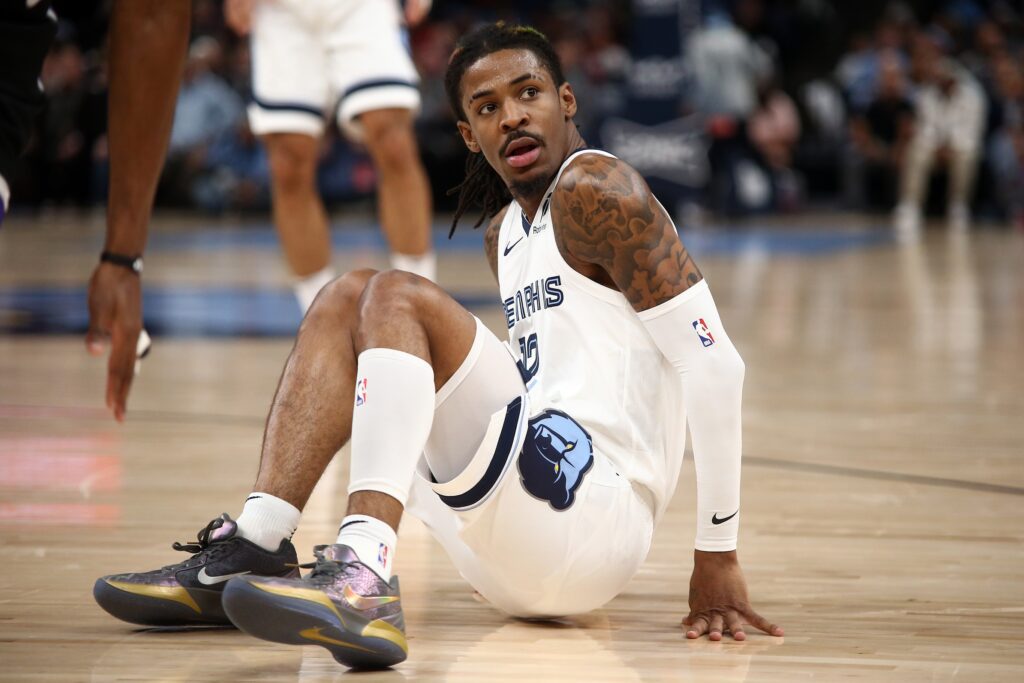
Ja Morant remains a top-tier offseason trade candidate because the deadline established two realities at once: the Grizzlies explored the market, and the market did not meet their bar on February 5, 2026.
The clearest “what changed” reporting came immediately after the buzzer. On February 6, Joe Vardon reported for The Athletic that the Grizzlies’ lack of a deadline deal was “not considered a reversal of course” and that the organization still intends to trade Morant in the summer.
The Grizzlies tested the league, didn’t like what came back, and then doubled down on the teardown by moving Jaren Jackson Jr. Once that happened, the logic basically became unavoidable.
A team that just pulled the plug on a core piece isn’t going to keep the expensive, ball-dominant lead guard around while sitting at 20-31 and 11th in the West. The cleaner path is to grow with the younger timeline, pile up picks, and restart the build without needing to pretend it’s still a “retool.”
The contract is the other pressure point. Morant is making $39.4 million this season and is owed $42.2 million in 2026-27. That’s max-level money for a player the league currently views as a distressed asset, and it shrinks the pool of teams that can even participate without complicated matching.
It also tells the Grizzlies what the summer is really about: get out of the obligation now, or risk carrying a massive number into next season while the rest of the roster is trying to reset.
And the on-court piece hasn’t helped his value at all. Morant has played 20 games and is averaging 19.5 points, 3.3 rebounds, and 8.1 assists, but the efficiency is ugly: 41.0% from the field and 23.5% from three, plus 3.6 turnovers per game.
Put it together with the Jackson trade and the standings, and it’s hard to see a world where the Grizzlies don’t keep shopping Morant all summer until they finally find a way to kick off a real rebuild from scratch.
As for potential suitors, the Heat have already been connected at some level, and they’re a logical team to monitor if Morant’s price continues to slide. There’s also a separate angle that could keep popping up in the background: if the Bucks spend the summer trying to sell Giannis Antetokounmpo on staying, the “big swing” alternative could involve chasing a guard like Morant.
It’s not a clean fit on paper, but it’s exactly the kind of desperate roster play that shows up when a franchise is trying to keep a superstar from walking the situation to the edge.
3. Domantas Sabonis
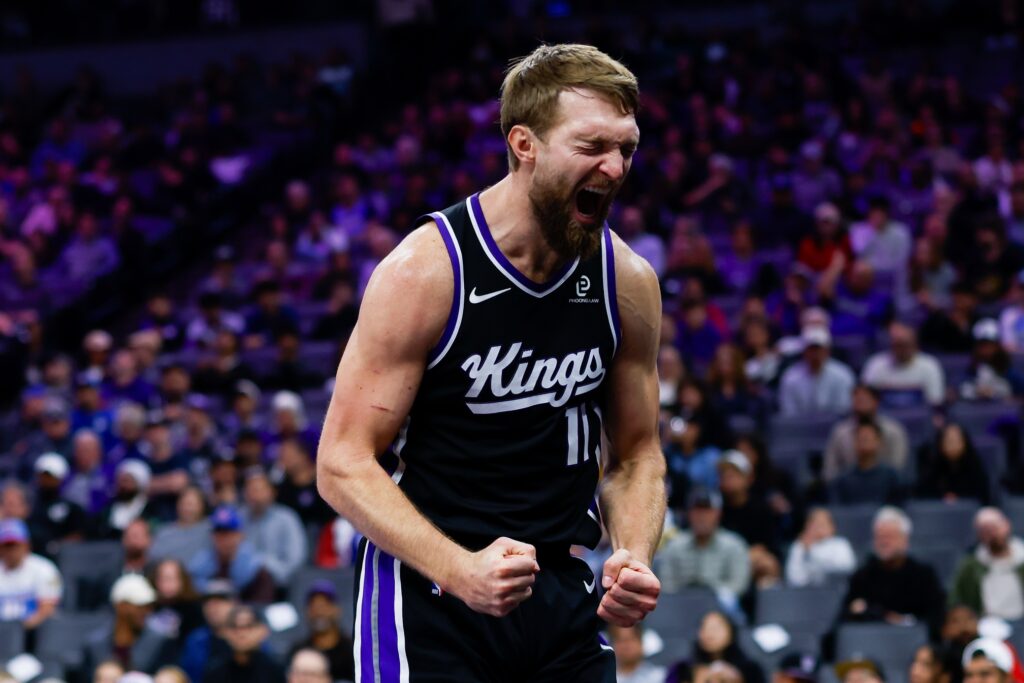
Domantas Sabonis ranks this high because the Kings reached the point in deadline week where rival front offices were discussing an identifiable structure, but the deal never cleared the final hurdles by February 5.
At the deadline, there was at least real smoke on Domantas Sabonis and the Raptors. Michael Grange reported there were people close to the Kings who believed the team would be open to a framework built around Sabonis and RJ Barrett, even if that specific version didn’t end up getting over the line before February 5.
The bigger point is that the Kings are already operating like a team that’s willing to consider painful options. They’re 12-42, dead last at 15th in the West, and coming off a brutal stretch that included a 12-game losing streak. When a roster gets to that place, the argument for keeping a high-salary veteran centerpiece gets thin fast.
If the season is drifting toward a reset, Sabonis becomes the kind of name that can actually bring back real value, especially if the Kings want to reshape the timeline and not just shuffle the edges.
Availability is also part of why this is likely to keep coming up. Sabonis missed 27 games with a partially torn meniscus, and even after returning, he’s been in and out with back soreness. He’s played 19 games this season, which matters when a team is already losing and trying to decide what’s sustainable long-term.
The Kings don’t look like they’re building momentum around him, and the injury interruptions make it easier for a front office to talk itself into a pivot.
The contract and production explain why teams will still call. Sabonis is making $42.3 million this season and is owed $45.5 million in 2026-27. He’s at 15.8 points, 11.4 rebounds, and 4.1 assists this season, shooting 54.3% from the field. That’s still a high-level big who rebounds, passes, and stabilizes half-court offense, which is why the Raptors connection doesn’t feel random.
The difference is that the Kings’ season has collapsed so hard that “listen to calls” is no longer just deadline theater. It’s the obvious setup for the summer.
4. Draymond Green
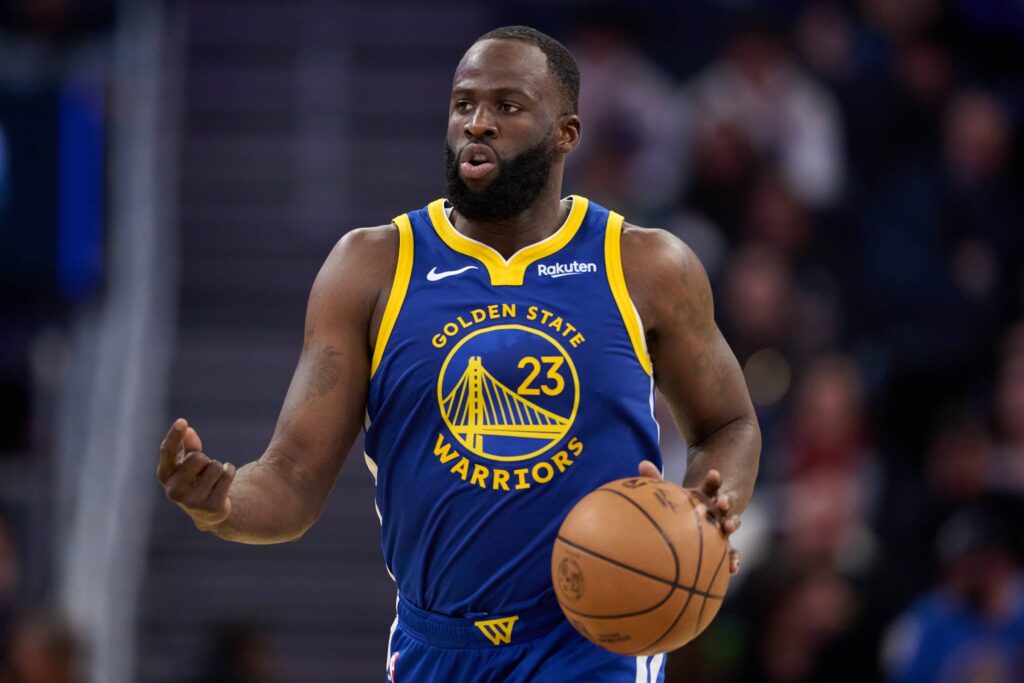
Draymond Green is an offseason name because he was treated as real salary ballast in the biggest sweepstakes of deadline week, and that is not the kind of toothpaste teams put back in the tube.
A Giannis Antetokounmpo deal would’ve meant having to trade Green, explicitly positioning him as the core contract that would have to be moved to make the math work. In the same deadline window, ESPN reported that Green was part of the Warriors’ offer frameworks to the Bucks in the Giannis discussions, even though the talks never gained serious traction.
Green also addressed it publicly after the deadline. In postgame comments, he said the conversations with the front office around a Giannis scenario made the rumors feel “real,” and he described the basic salary-matching reality that either he or another large contract would have to be included.
Then came the organizational pushback. On February 7, Warriors decision-makers publicly denied that Green was being shopped, emphasizing that calls around veteran players are common and do not necessarily reflect active intent to move them.
The offseason is where this gets loud again. If Giannis is genuinely available in the summer, Green is the cleanest “big number” the Warriors can put into a deal without gutting every other piece. That’s not disrespect, it’s roster math.
The Warriors are still operating on a win-now timeline, and any Giannis offer is going to require a major outgoing salary, plus picks, plus at least one rotation-level sweetener. Green’s contract is the obvious matching lever in that kind of swing.
Money is exactly why he won’t be immune to those talks. Green is at $25.9 million this season, and he has a $27.7 million player option for 2026-27. That’s a useful slot for a blockbuster because it’s large enough to matter, but not so massive that it becomes impossible to route in multi-team constructions. It also lines up cleanly with a “one last push” summer for the Warriors if they want to stack a real second superstar next to Curry.
The performance dip is what makes it easier to stomach from the Warriors’ side if the prize is Giannis. Green is at 8.3 points, 5.6 rebounds, and 5.2 assists this season, shooting 41.0% from the field. He can still quarterback a defense and keep the ball moving, but he’s not the same two-way engine from the peak years. That’s why the read is pretty clean: Green only becomes truly “available” if the Warriors believe Giannis is actually gettable.
If a scenario ever routes him to the Bucks in a Giannis framework, it’s already been said that the Lakers and Green would have mutual interest as a next-step landing spot, depending on how the trade is built.
5. Karl-Anthony Towns
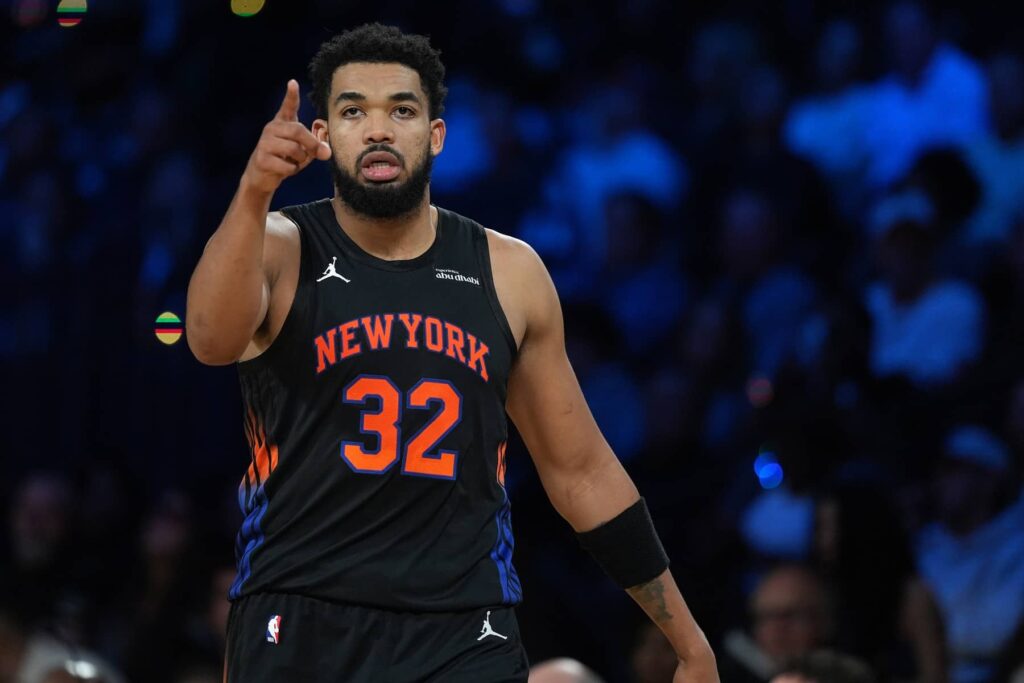
During the deadline cycle, Steve Popper reported that the Knicks had held trade discussions involving Karl-Anthony Towns with the Hornets, Magic, and Grizzlies. That report was dated on January, and it was widely recirculated during deadline week.
Separately, Sam Amick reported that Towns had “hard feelings” tied to his name being involved in prior superstar trade conversations, and that those feelings “remain to this day,” per team sources.
That’s the setup for why Towns stays on the “most likely” list even while the Knicks are winning. They are 34-19 and tied for second in the East, but the Giannis chase changes the math because Towns is the cleanest single contract that can headline the salary side of a summer offer.
If the Knicks take another real swing at Giannis when the offseason opens, Towns is the lever that makes the conversation possible, and the fact that they already explored his market makes it easier to circle back.
The fit piece matters too. Towns is still productive, but the season has been uneven in ways that show up on tape more than in highlight packages, especially in a system that needs defensive connectivity and quick decisions. He’s at 19.7 points, 11.9 rebounds, and 2.9 assists, shooting 46.3% from the field. That’s good, but it’s not the “no questions asked” superstar impact you expect when the roster is built to win now, and it’s why rival teams keep treating his situation as something the Knicks could revisit if the right star becomes available.
The contract is the clincher. Towns is at $53.1 million this season and $57.1 million in 2026-27. That’s massive money, and it basically guarantees he’s central to any blockbuster construction. The Hornets angle also stays interesting because they’ve been aggressive lately and are sitting at 25-28 in the East, so the “make a splash” logic isn’t crazy if they think they’re one star away from leveling up fast.
6. Zion Williamson
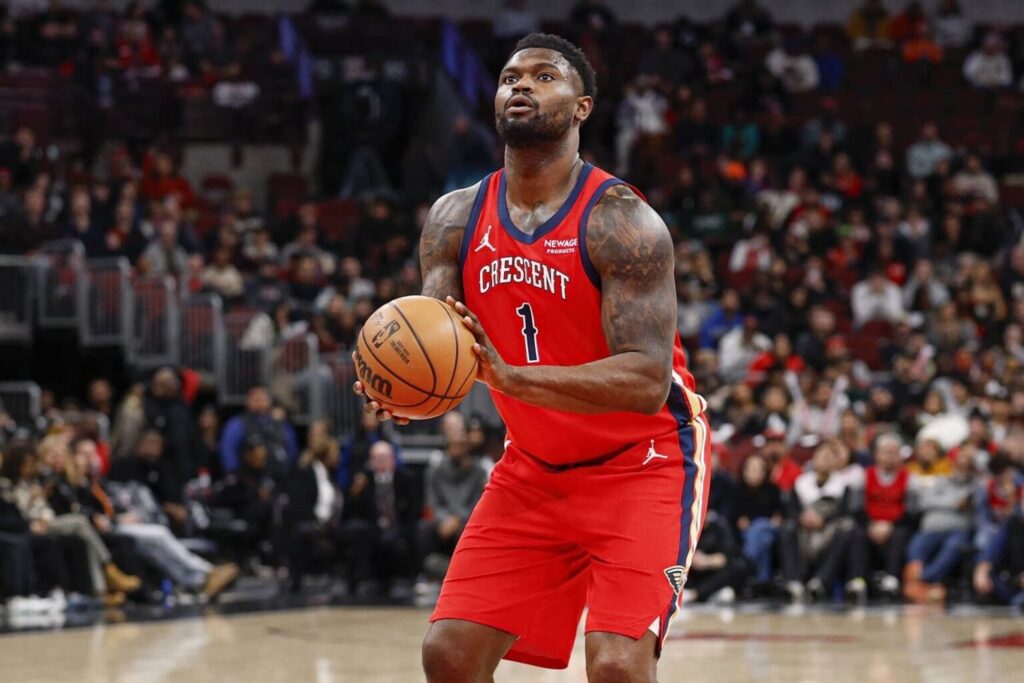
The pre-deadline posture from the Pelicans was clear, and it came from a top insider. On January 9, Chris Haynes reported the Pelicans were telling teams they would not trade Zion Williamson or several other core pieces through the trade deadline. The deadline then passed without a deal, which is why Williamson becomes a more realistic offseason candidate than an in-season one.
At the same time, the noise never really stopped: Brett Siegel has described a league belief that the Pelicans would be willing to take the first “decent, reasonable” offer that shows up, Josh Robbins has noted skepticism from league sources that Williamson was truly untouchable, and Joe Cowley has tied the Bulls to ongoing interest.
That’s why he still profiles as one of the most likely offseason moves anyway. The Pelicans are 14-40 and 14th in the West, which is the kind of standing that forces a franchise to pick a direction instead of living in limbo.
The Zion era has had moments, but it has never felt stable enough to build a real multi-year plan around. When the team is this far out of it again, the “keep trying” argument starts to sound like sunk-cost thinking.
The availability piece is the quiet killer. Williamson has played 38 games, meaning he’s missed 16 of the Pelicans’ 54 games so far. That matters because the franchise can’t credibly sell continuity when the cornerstone keeps losing months at a time.
It also drags down his trade market in-season, which is exactly why the offseason becomes the better window: more teams, like the Suns, or the Heat, can take the medical bet when they aren’t under a 48-hour deadline clock and can structure protections, conditions, and longer-term roster planning.
The production is still good, but it’s not bending the league the way it used to. This season, Williamson is at 21.6 points, 6.2 rebounds, and 3.4 assists, shooting 58.1% from the field. Those are strong numbers, but they read more like “very good player” than “automatic franchise savior,” especially when compared to last season’s 24.6 points, 7.2 rebounds, and 5.3 assists in 30 games. Fair or not, that’s part of why the league conversation has shifted from “future face of the NBA” to “how much are you willing to risk.”
The contract keeps the pressure on both sides. Williamson is making $39.4 million this season and is owed $42.2 million in 2026-27. That’s star money, and the Pelicans can’t keep paying star money for a timeline that never gets off the ground.
Put the record, the missed games, and the diminishing belief in the “build around Zion” plan together, and the offseason reads like the natural endpoint. If the Pelicans don’t get a real extension-level commitment vibe from him and don’t see a clear team-building path that works with him, moving on becomes the cleanest way to finally reset the franchise’s direction.
7. DeMar DeRozan
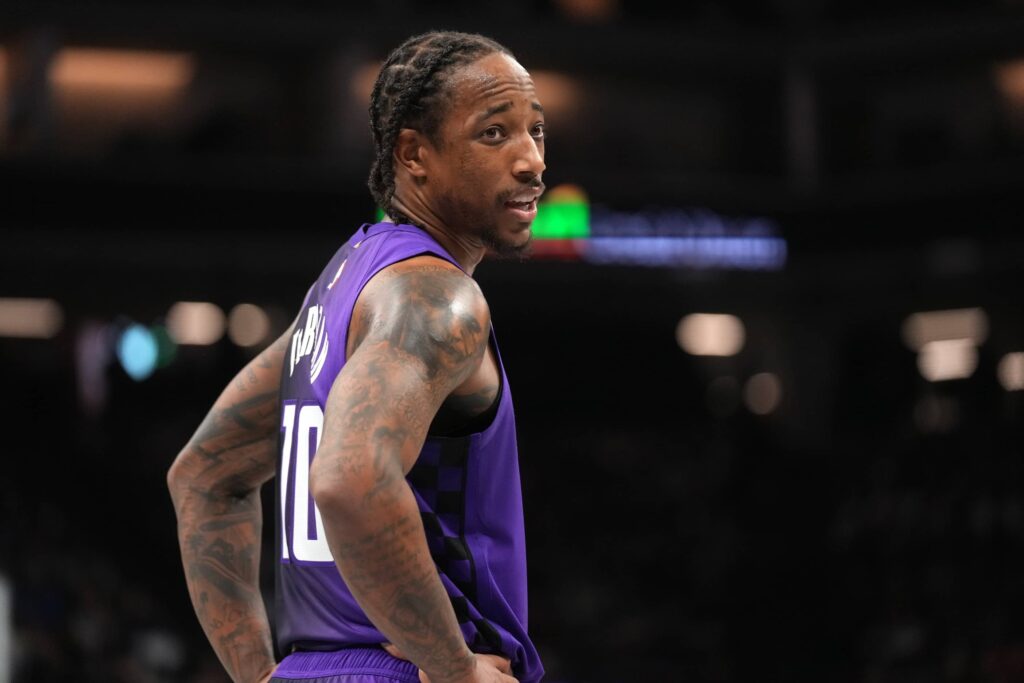
DeMar DeRozan is an offseason trade candidate primarily because deadline week clarified the Kings’ posture: they viewed him as a tradeable contract, not a buyout case.
On February 4, ESPN’s Anthony Slater reported that if DeRozan remained with the Kings past the deadline, the team had “zero plans” to pursue a buyout and had not held buyout discussions with his side. Slater also noted DeRozan is owed $25.7 million in 2026-27, which helps explain why a buyout was never a clean solution for either side.
The offseason logic is cleaner anyway, because his deal turns into an expiring trade chip. DeRozan is at $24.6 million this season, and his 2026-27 number is $25.7 million, with that final-season structure described as not fully guaranteed. That’s the type of contract contenders love to rent as a quick fix, especially when they need another real scorer without committing long-term money.
The Bucks angle fits that mold if they’re trying to keep the roster competitive around Giannis Antetokounmpo, and Brett Siegel has previously listed the Bucks among the teams to watch on DeRozan.
The Clippers are another clean fit for the same reason, especially after trading James Harden and Ivica Zubac. If they’re going to keep chasing offense without having to lock into a multi-year bet, a DeRozan rental makes sense as a short-term stabilizer who can carry bench units, get to the line, and create a shot when a set breaks down.
The Kings side is the straightforward part. They’re 15th in the West, and that kind of season is exactly when teams start turning veterans into picks and flexibility. DeRozan is still producing, at 18.9 points, 3.2 rebounds, and 3.9 assists on around 50.1% from the field.
He’s useful, but he’s also the type of veteran who probably doesn’t bring back much in a trade at 36, which is why the “cheap this summer” angle tracks. Moving him is less about extracting a haul and more about getting out of the way of a rebuild and letting the Kings stop pretending this version of the roster is going anywhere.
8. Kawhi Leonard
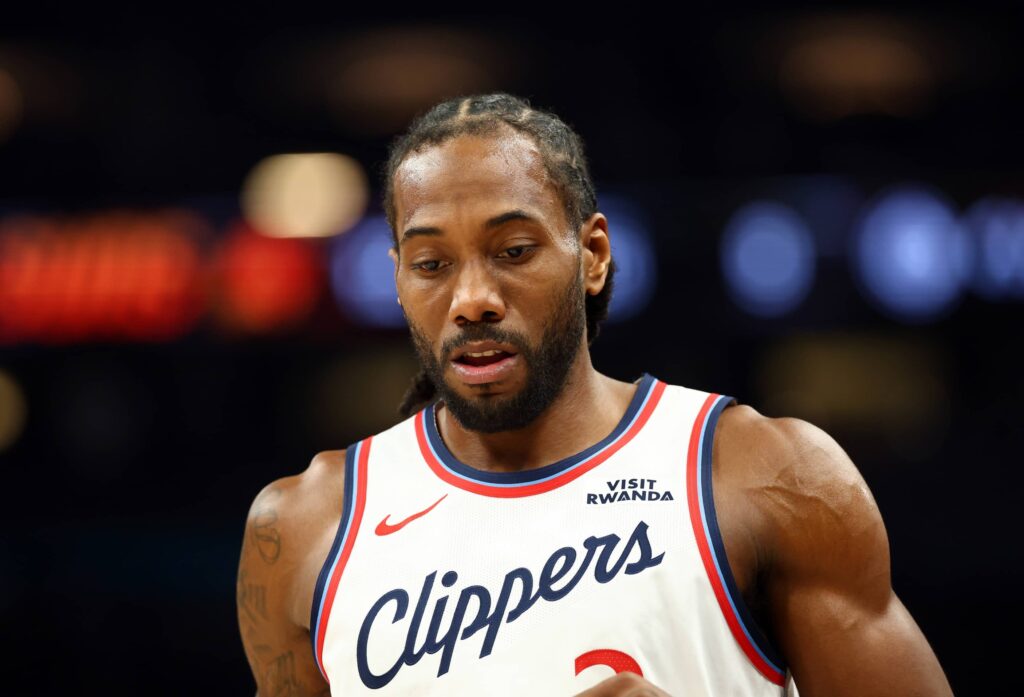
Kawhi Leonard is a legitimate offseason trade candidate because the Clippers’ deadline actions created an unavoidable follow-up question: what is the long-term plan with Leonard at the center of the project?
The roster context changed sharply in the final days before February. The Clippers traded James Harden to the Cavaliers for Darius Garland and a second-round pick, a clear signal of a timeline pivot. They also moved Ivica Zubac to the Pacers for a package that included Bennedict Mathurin, Isaiah Jackson, and multiple picks. When a team trades away that level of immediate production at the deadline, the league reads it as a structural decision, not a minor adjustment.
That is why the post-deadline reporting around Leonard matters. In a report published by Chris Haynes, Leonard and the Clippers are expected to meet in the offseason to evaluate their future together. Haynes also reported that the Clippers did not engage in serious deadline discussions involving Leonard, which frames this more as an offseason evaluation than a sudden midseason breakup.
The direction of the roster is the real tell. The Clippers moved James Harden for Darius Garland, then flipped Ivica Zubac for Bennedict Mathurin, Isaiah Jackson, and multiple picks. That is not a “one last tweak” deadline. That is a team shifting toward younger pieces, more flexibility, and a longer runway around Garland.
Leonard’s contract timeline lines up with that pivot. He is owed $50.3 million in 2026-27, and that season is the end of his current deal. If the Clippers are rebuilding and Leonard is entering his final year, it becomes harder to justify another massive long-term commitment, especially with the Aspiration investigation still hanging over the broader situation.
That’s why Leonard is primed to become a summer trade name even if there was “no serious” deadline traction. The Clippers are 25-27 and ninth in the West, and they just traded away the center of their identity at the rim. If the team is moving into a reset, the clean play is extracting value before Leonard gets to the last year of his deal and the leverage flips even harder toward the player.
9. Donovan Mitchell
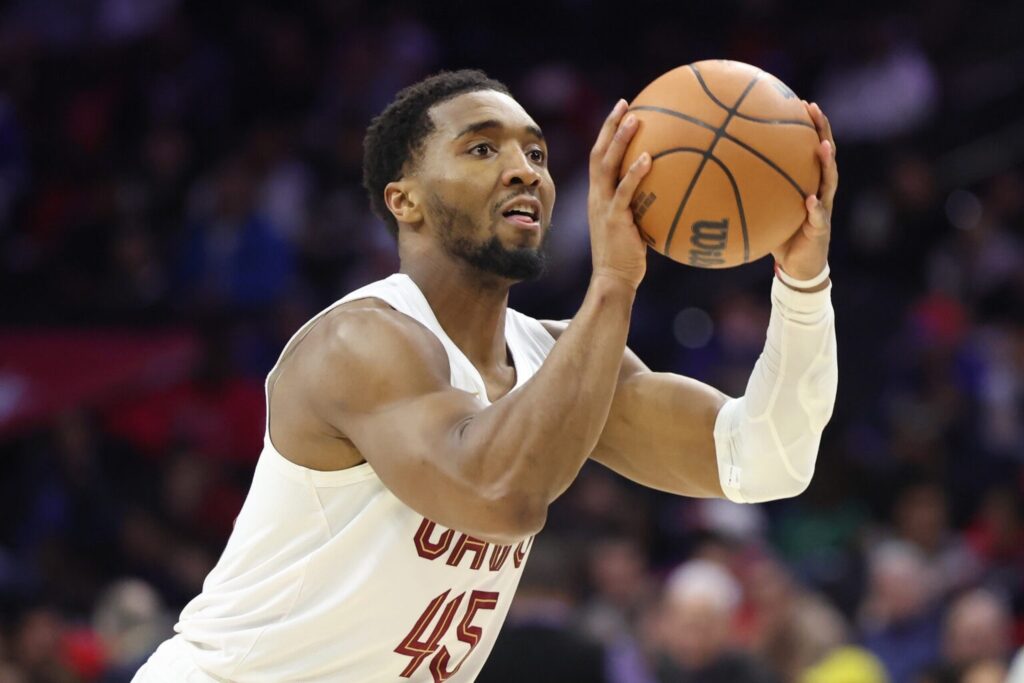
Donovan Mitchell is on the 2026 offseason trade board because the Cavaliers’ deadline approach was framed, directly, as an effort to protect their extension outcome this summer.
In ESPN’s deadline intel piece published on February 3, 2026, Tim Bontemps wrote that the Cavaliers’ interest in a major move was “about another All-Star: Donovan Mitchell,” because the franchise is “facing a huge decision this summer.” Bontemps added the key conditional: if the Cavaliers exit in the first or second round again, “will he be willing to commit to another extension” this summer, and he described that as unlikely.
That is the clearest version of the risk, and it aligns with what Windhorst has been emphasizing in the same deadline window: the Cavaliers understand they cannot drift into an offseason where Mitchell is not fully bought in. ESPN’s post-deadline intel on February 6 reinforced that the Cavaliers were operating with Mitchell’s contract timeline as a primary driver of decision-making.
Here’s where it turns from “risk” into a real offseason inflection point. Mitchell is under contract for 2026-27 and then has a 2027-28 player option, which gives him an obvious leverage path if the postseason ends early again. If the Cavaliers lose in the first or second round and Mitchell doesn’t sign an extension offer this summer, the league won’t treat that as neutral.
It will read like the soft version of a trade request, because it signals he’s keeping the door open to controlling his next destination on a faster timeline. The point is not that he can walk tomorrow. The point is that once a star declines to lock in, every front office starts counting down to the first moment that player can realistically force the issue.
That’s why moving him becomes the cleaner play if the extension outcome is “no.” The Cavaliers would still have him for at least the 2026-27 season, but the leverage starts bleeding the moment the extension window passes without a deal.
Buyers stop paying “cornerstone for four years” prices and start paying “one-year control plus hope” prices. If the Cavaliers act early in the offseason, they can still demand a true haul: multiple first-round picks, young players who fit the next timeline, and the kind of flexibility that lets them choose a direction instead of being dragged into one.
The James Harden piece fits the same logic. Harden’s contract structure is short-window money relative to the rest of the roster, and if Mitchell isn’t extending, there’s no reason to keep a veteran-heavy approach alive just to chase the same ceiling.
In that scenario, the smarter rebuild mechanics are obvious: flip Mitchell while the market is still hot and the acquiring team can sell a two-year runway, treat Harden as a short-term piece rather than a foundation, and re-center everything around the younger core and incoming assets. That’s how the Cavaliers avoid the worst-case outcome, which is waiting until the summer when the whole league knows the leverage has shifted.
10. Zach LaVine
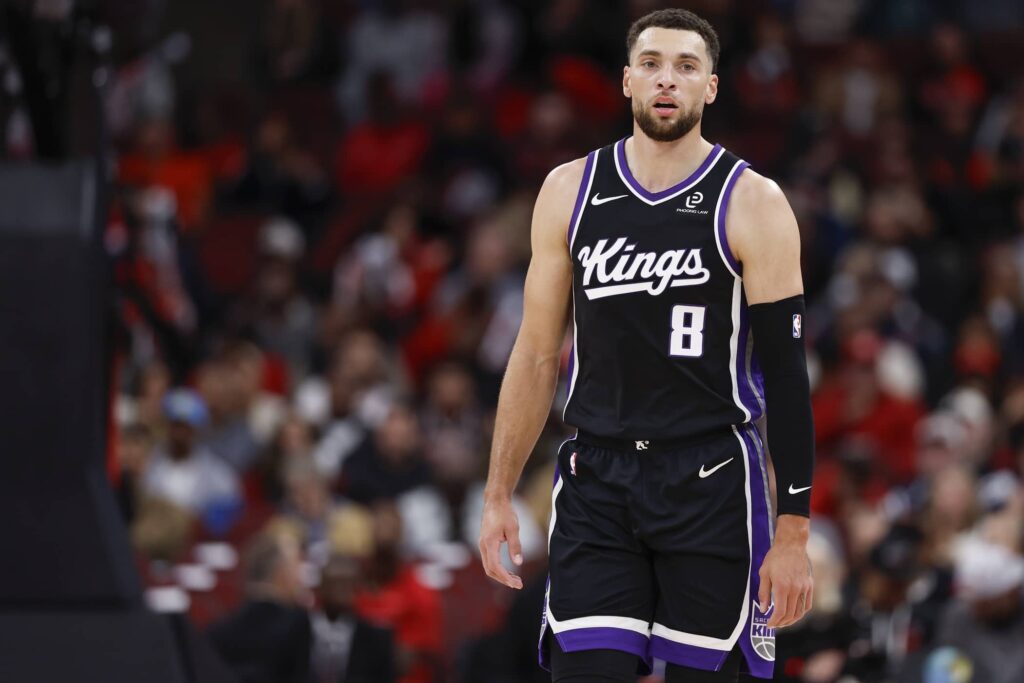
Zach LaVine makes this list because deadline-week reporting made two points clear: the Kings could not find a palatable trade lane by February 5, and LaVine’s contract structure keeps the conversation alive into the summer.
On February 3, Sam Amick reported that LaVine intended to exercise his $48.9 million player option for 2026-27, and added that LaVine was “not expected” to be traded by the deadline. The reason is straightforward: a near-$50 million cap hit is difficult to route in-season without a multi-team build or meaningful incentives.
The basketball and the standings are why he stays on the summer board anyway. The Kings are 15th in the West, and the season has tilted into “tear it down” territory. In that type of year, high-salary veterans stop being part of the solution and start being the pathway to a reset.
LaVine fits that bucket because he’s expensive, he’s not a developmental piece, and moving him is one of the few ways the Kings can start re-aligning the roster around younger players and future picks.
LaVine’s own production is solid, but it does not change the direction call. He’s averaging 19.2 points, 2.8 rebounds, and 2.3 assists this season, shooting 47.9% from the field. That is real scoring, but it is also exactly the profile that gets treated as a luxury on a team sitting in last place: helpful in a vacuum, mis-timed on the calendar.
The contract is what turns “he could be moved” into “he probably will be moved.” LaVine is making $46.0 million this season, and he has a $49.0 million player option for 2026-27 that is expected to pick up.
If he opts in, it effectively becomes an expiring deal next season, since he would be set to hit free agency after 2026-27. That’s the cleanest summer trade shape, with the Bucks rumored in recent talks. Put it together, and the offseason case is straightforward. The Kings are too far gone in the standings to justify protecting veteran contracts, and LaVine is part of the expensive core that has to be moved if this turns into a real rebuild.
The deadline didn’t produce a palatable lane, but the summer usually does, because more teams can structure matching salary, take medical and performance bets with a full offseason runway, and treat the money as short-term if the player option turns his next season into an expiring.