The NBA trade deadline hits on February 5, and the league already feels like it’s in full chaos mode. Big names always dominate the conversation, and the noise is real again this year, with Ja Morant addressing trade chatter and Giannis Antetokounmpo once again having to swat away “where’s he going next?” speculation.
But the deadline isn’t only about blockbusters. It’s also about those former lottery picks who are stuck, squeezed, or simply stranded on the wrong timeline. Guys who entered the league with real hype, then found themselves buried behind veterans, trapped on losing teams, or forced into roles that don’t fit what they do best.
A trade doesn’t mean “bust.” Sometimes it just means “please let me play.” And for a handful of young players, a change of scenery before February 5 could be the difference between stagnating for another year and actually becoming something.
Jeremy Sochan
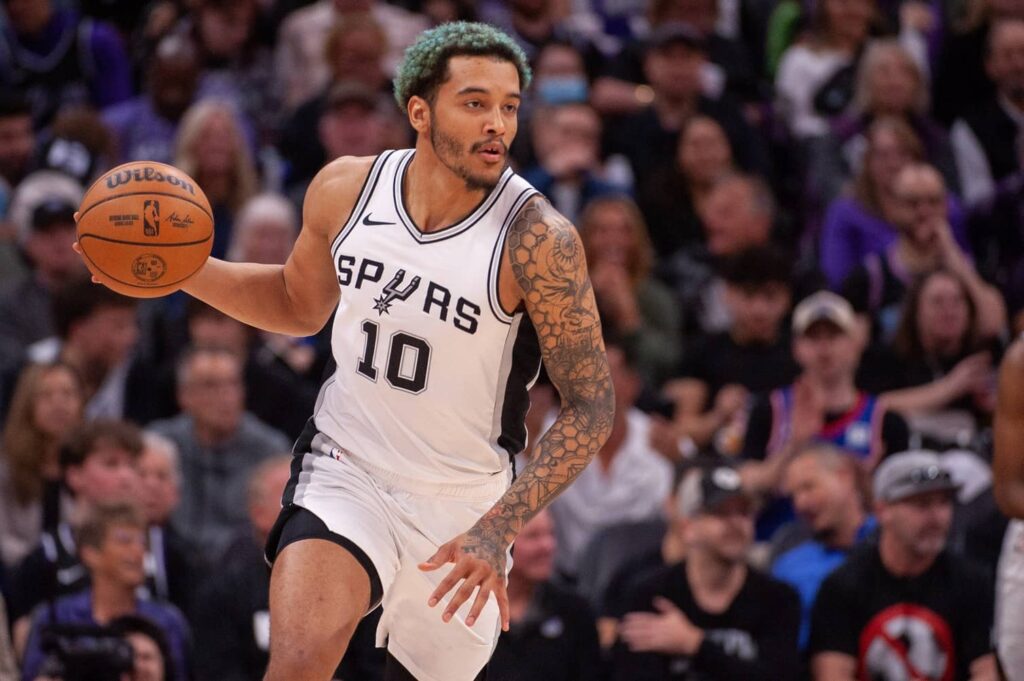
The Spurs are winning, and that’s the problem. When a team is 29-13 and chasing the top of the West, the rotation gets ruthless. Development becomes a luxury, and every minute has to make sense. Jeremy Sochan, the No. 9 pick in the 2022 draft, is feeling that squeeze in real time.
His numbers this season tell you exactly what’s going on: 4.4 points, 2.8 rebounds, 1.1 assists in 26 games, and only 13.5 minutes a night. He’s shooting 48.0% from the field, but the jumper still scares defenses, with 25.7% from three. That’s the kind of stat line that screams “utility player,” even though Sochan’s actual value is way more specific than that.
Sochan needs freedom, and the Spurs can’t really give it to him right now. He’s at his best when he’s doing the dirty stuff, switching across positions, crashing the glass, pushing in transition, and playing as a chaos connector. He can guard up, he can survive on bigs in a pinch, and he can absolutely bother primary ball-handlers when he’s locked in. The issue is that those strengths matter most when the team builds a role around them. On a contender chasing wins, one shaky offensive stretch can erase your night.
A trade would help because Sochan doesn’t need a “better team,” he needs a clearer job. Put him on a roster that wants defense-first wings, plays fast, and can live with him learning on offense. The Bulls make sense if they want a younger identity on the wing. The Nets make sense if they want to collect upside defenders and let them run. Even the Raptors, who love long, switchy athletes, could use a guy like Sochan if they think they can rebuild his shot mechanics.
Right now, he’s stuck in the worst middle ground. The Spurs are too good to patiently live through his growing pains. And Sochan is too talented to be a 13-minutes-a-night “maybe” player. If he wants to become what he was drafted to be, he needs a team that lets him be messy for a while.
Jonathan Kuminga
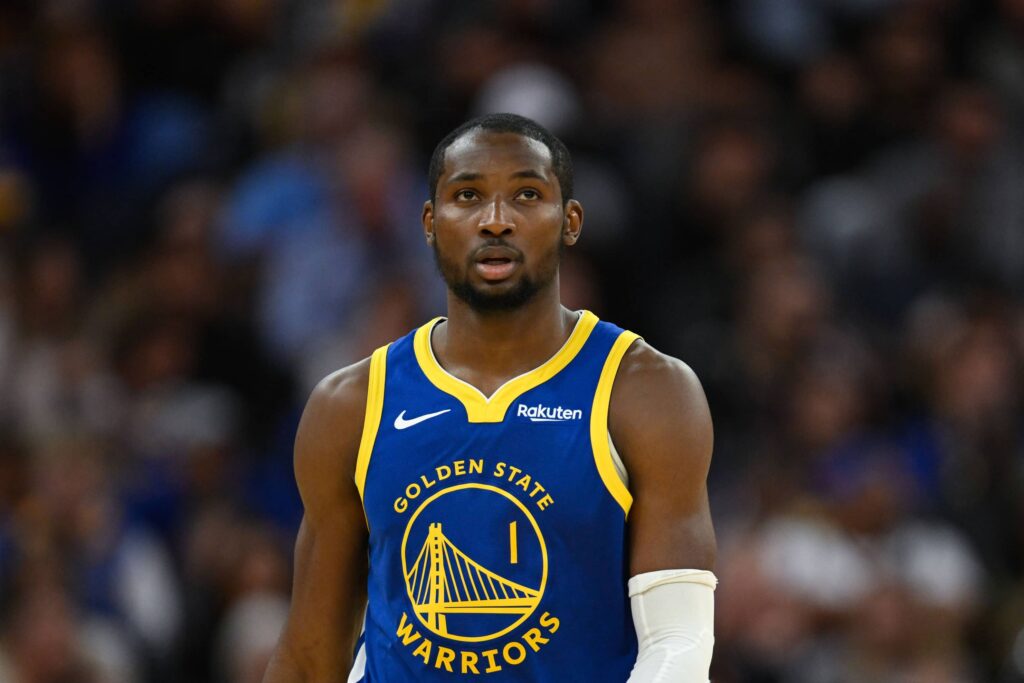
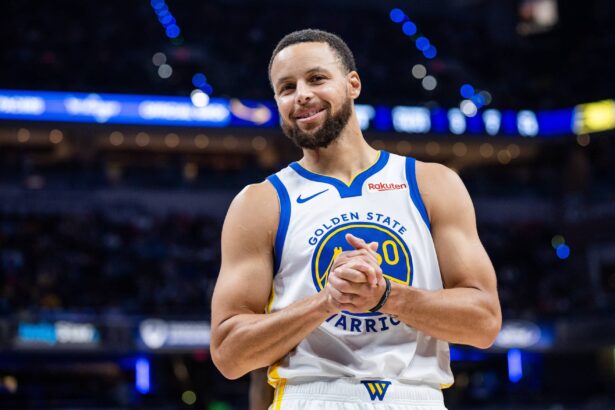
Jonathan Kuminga’s situation isn’t subtle anymore. He reportedly demanded a trade the moment he became eligible to be moved, and the Warriors have been operating like a team that knows this is headed toward a split.
Kuminga, the No. 7 pick in 2021, is putting up 11.8 points, 6.2 rebounds, and 2.6 assists in 18 games. He’s playing 24.8 minutes per night, shooting 43.1% from the field, 32.0% from three, and 74.1% at the line. That’s not empty production, but he’s also been placed as a DNP since his last 10-minute stint on December 18 and has not seen the floor since.
The Warriors are 24-19, and they’re trying to win now around Stephen Curry and Jimmy Butler. That matters, because Kuminga’s whole appeal is upside, reps, and space to grow into a bigger role. The Warriors can’t keep handing him 28 minutes, living with the mistakes, and waiting for the leap if the whole season is about getting the most out of their veteran core.
The fit has been awkward for a while. Kuminga wants to attack, live in the paint, play with pace, and get touches that actually mean something. The Warriors’ offense asks wings to make quick reads, move the ball, space properly, and punish closeouts without stopping the flow. When Kuminga plays within it, he looks like a monster athlete who can tilt games. When he doesn’t, he looks like a guy trying to force his way into stardom on a team that’s not built for his style.
That’s why a trade feels inevitable. And the funniest part is, there are a bunch of teams that would immediately sell themselves on him. The Lakers need athletic scoring on the wing. The Kings are desperate for upside and juice. The Bulls can offer opportunity. The Mavericks always hunt for vertical athletes who can run with their creators. Those teams have been linked as potential suitors, and it’s not hard to see why.
Kuminga is also on a two-year, $46.8 million deal, which matters because it makes him easier to move in the “win now” trade ecosystem. He’s not a rental, but he’s not a forever commitment either.
This is one of those deadlines where both sides can “win.” The Warriors can flip him for rotation help that fits Curry and Butler. Kuminga can go somewhere that treats him like a real building block. Right now, they’re just wasting each other’s time.
Devin Carter
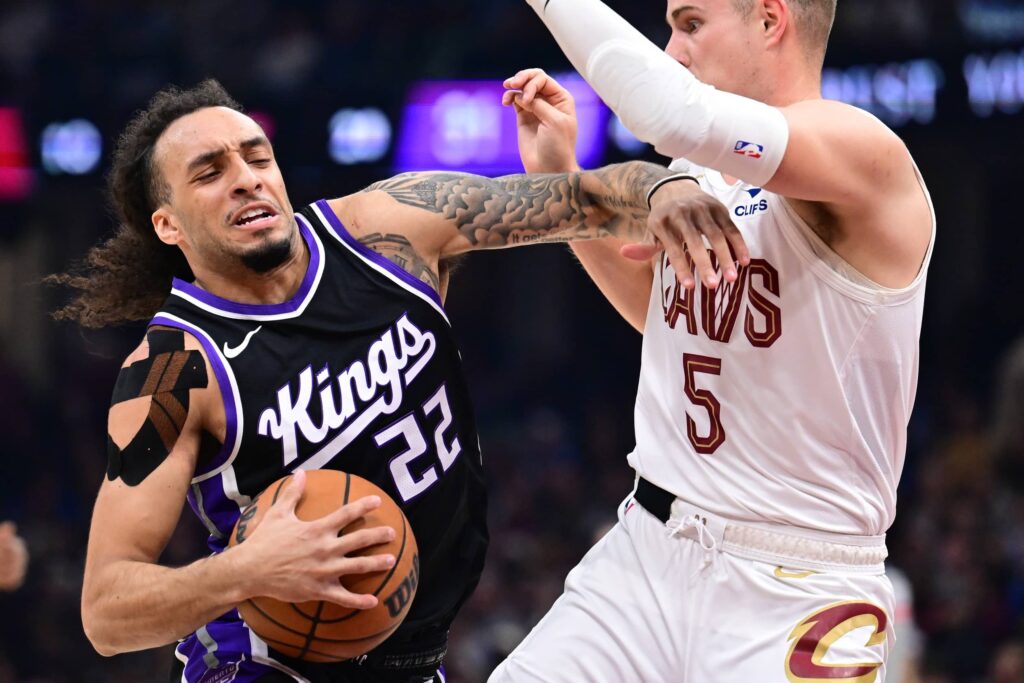
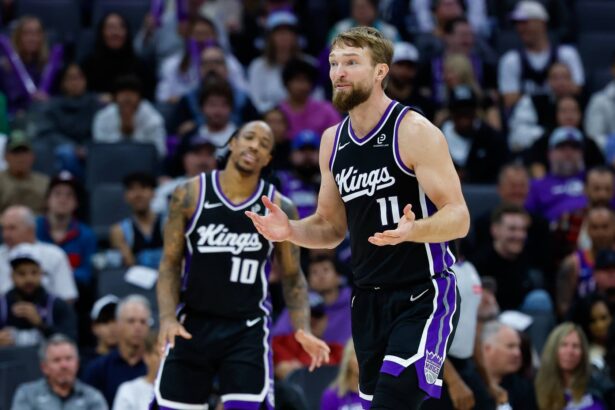
The Kings are 12-31. That record alone should trigger some hard decisions. When you’re losing like that, the worst thing you can do is let a young first-rounder rot on the bench while everyone pretends the timeline still makes sense.
Devin Carter, the No. 13 pick in 2024, is only playing 8.4 minutes a night this season, with 3.2 points, 1.2 rebounds, and 1.1 assists in 12 games. He’s shooting 34.2% from the field and 25.0% from three. That’s not pretty, but it also screams “small sample, inconsistent role, no rhythm.”
This is the classic guard problem. If a young guard doesn’t get real minutes, the efficiency looks horrible. If he does get real minutes, the mistakes look loud. Carter’s not getting either side of that trade. He’s getting the worst version: short stints, garbage-time vibes, and no real chance to settle into the speed of NBA games.
The weird part is that Carter’s skill set is exactly the type teams usually want from a young guard. He plays hard, he can defend, he can rebound for his size, and he’s not scared of contact. But the Kings are a mess, and too many veteran guards playing to develop him cleanly. They shuffle rotations, chase quick fixes, and end up with young guys who never build confidence.
A trade would help him more than almost anyone on this list because he doesn’t need a “star role.” He needs structure. Put him on a team with a steady system and a real plan for his minutes. The Pacers make sense just because they turn defense-first workers into legitimate rotation pieces, and they can afford to carry a non-scorer sometimes when the stars handle the scoring. The Magic make sense if they want more ball pressure and energy in the backcourt. The Raptors make sense because they’ve built careers out of aggressive defenders who grow into offensive competence.
Carter also has the benefit of being young enough that nobody has “given up.” He’s not a reclamation project yet. He’s just a guy who hasn’t had the chance to be anything. That’s why the deadline matters. If the Kings aren’t going to play him during a lost season, someone else should.
Moses Moody
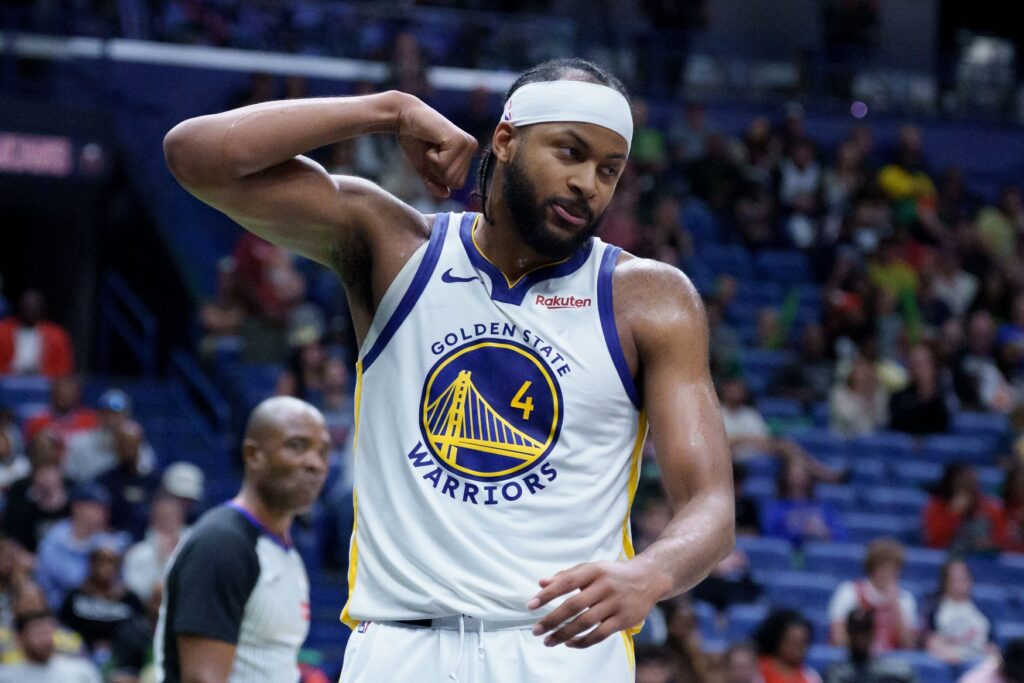
Moses Moody is the most “useful right now” player on this list, which is exactly why he could get moved. The Warriors drafted him 14th overall in 2021, and he’s producing like a guy who belongs in a playoff rotation.
This season, Moody is averaging 10.6 points, 3.0 rebounds, and 1.5 assists in 41 games, playing 24.5 minutes a night. He’s also hitting 39.2% from three and sitting at a 58.0% true shooting mark. That’s not theoretical value. That’s actual, real “help a good team” value.
So why would he need a trade? Because teams like the Warriors treat guys like Moody as currency. They’re clearly evaluating roster upgrades around their veteran core, which means any solid wing on a reasonable contract becomes a potential piece in a bigger deal. Moody is the kind of player other teams actually want in trades: young, productive, not insanely expensive, and capable of defending and spacing.
The other issue is role clarity. Moody is good enough to start for some teams, but on the Warriors, he can still end up as “the fourth wing tonight” depending on matchups and coaching decisions. That’s not an insult. That’s just the reality of a roster that’s constantly trying to optimize around Curry’s window.
If Moody lands on a team that prioritizes him, you’d probably see the next jump quickly. Give him 30 minutes, let him play through one cold shooting night without yanking him, and he becomes a legitimate two-way wing. The Magic could use that. The Pelicans desperately need wings who can hit shots consistently. The Nets could use a culture guy who plays the right way. Even the Rockets, if they want another shooter/defender to stabilize lineups, would make sense.
Moody doesn’t need saving. He needs a lane. The Warriors might not be able to give it to him if they’re going shopping at the deadline. That’s what makes him “in need” of a trade, even though he’s actually playing well.
Jordan Hawkins
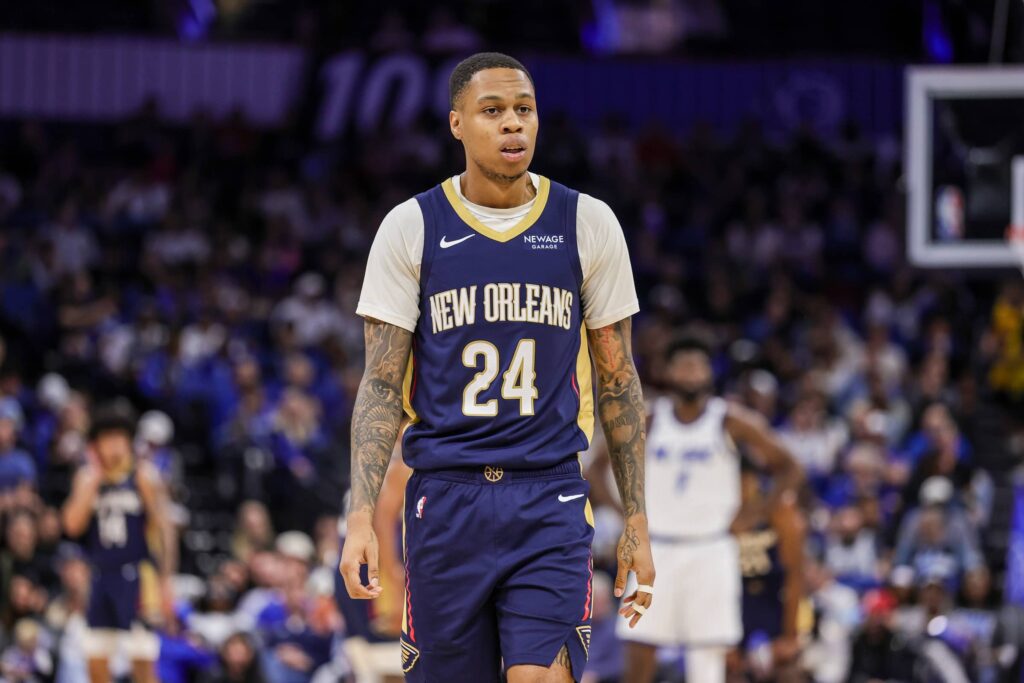
The Pelicans are 10-35, and that kind of season turns every young player into a question mark. Jordan Hawkins, the No. 14 pick in 2023, is in that uncomfortable spot where the tools still matter, but the results are ugly.
This year he’s averaging 4.3 points, 1.4 rebounds, and 1.2 assists in 33 games, playing 14.1 minutes per night. He’s shooting 32.0% from the field and 30.1% from three. For a guy whose calling card is shooting gravity, those percentages are a nightmare. And on a broken team, bad shooting turns into “you’re not helping,” which turns into fewer minutes, which turns into even worse shooting. That spiral is real.
Hawkins still has a clear NBA pathway, though. He runs hard, he gets into space, and he can absolutely heat up when he’s confident. The problem is that the Pelicans’ environment doesn’t feel like a place where young guys build confidence right now. They’re losing constantly, the rotation feels shaky, and every game looks like it’s played under pressure. That’s death for a young shooter.
A trade would be about rebooting his identity. Send him to a team that actually needs movement shooting and will run actions for him. The Lakers could use a bench gunner who flies off screens. The Spurs could use spacing around their stars and would actually commit to development reps. The Knicks, if they want more shooting punch, could plug him into a simpler role where he only needs to sprint, catch, and fire.
Hawkins also needs a coaching staff that gives him a defined shot diet. Right now, his attempts come in random bursts: a late-clock bailout, a rushed transition three, a contested look because the offense died. That’s not how shooters live. Shooters live off rhythm.
If the Pelicans are serious about building anything long-term, they should consider moving Hawkins to somewhere he can reset, then use the asset return to stabilize their own timeline. Because right now, it feels like both sides are just collecting bad vibes.
Ochai Agbaji
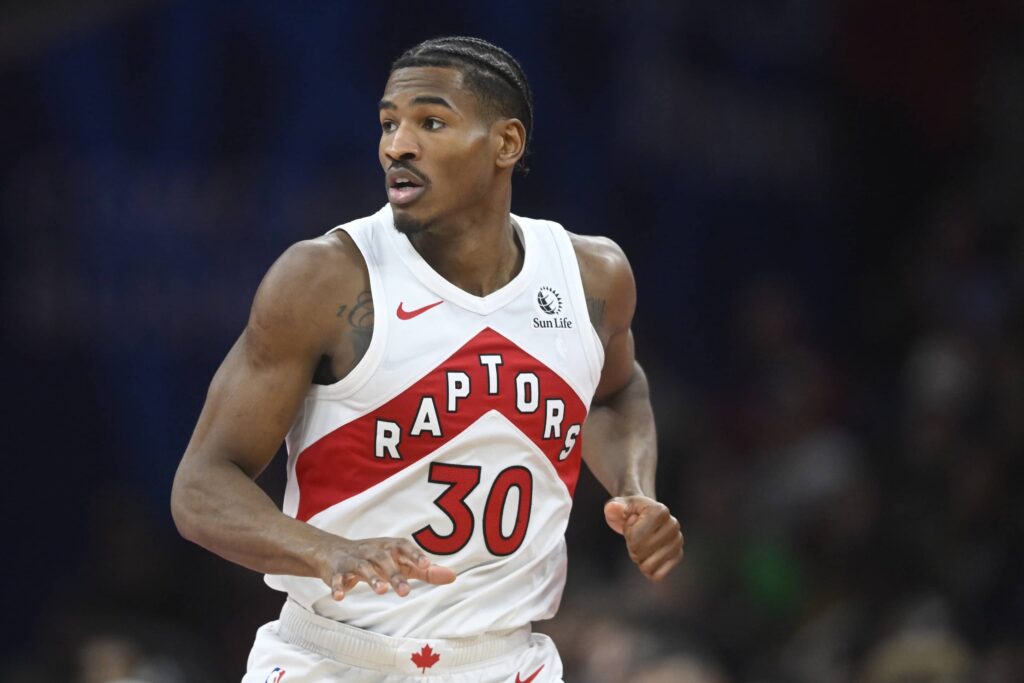
Ochai Agbaji is the sneaky “this can still work” guy. He went 14th overall in 2022, and he’s always been more of a role-player swing than a star swing. That’s exactly why the current situation is dangerous. If a role-player type doesn’t land in the right ecosystem, he can disappear fast.
The Raptors are 25-19, actually playing for something this year. And Agbaji, on a team trying to win, is only getting so much patience. He’s averaging 4.5 points, 2.4 rebounds, 0.8 assists in 35 games, playing 16.4 minutes per night. He’s at 41.2% from the field and a brutal 20.7% from three.
That 3-point number is the whole story. Agbaji averaged 10.4 points per game on 40.0% from deep last season with the Raptors, and he finally looked set like a future gem of a 3-and-D wing.
But here’s why I still like him as a buy-low candidate: he plays hard, he competes defensively, and he doesn’t look scared of NBA physicality. The shot can come back. We’ve seen plenty of wings look broken early, then stabilize with reps and confidence. The problem is, a playoff-chasing team rarely gives you the patience you need to find it.
So the trade logic is simple. If the Raptors want to keep winning, they may eventually prioritize a more reliable shooter. If Agbaji wants to keep his career on the “rotation wing” track, he might need a team that lets him shoot through it without panic.
The Jazz reunion angle is funny, but even teams like the Wizards or Blazers make sense as landing spots. Those teams can offer minutes and a clear role: defend, run, hit open shots, grow. And if he gets back to being a high-30s three-point guy instead of a sub-21% guy, he immediately becomes a useful NBA wing again.
This is the kind of deadline deal nobody tweets about for 48 hours, then everyone acts surprised when it works.
Rob Dillingham
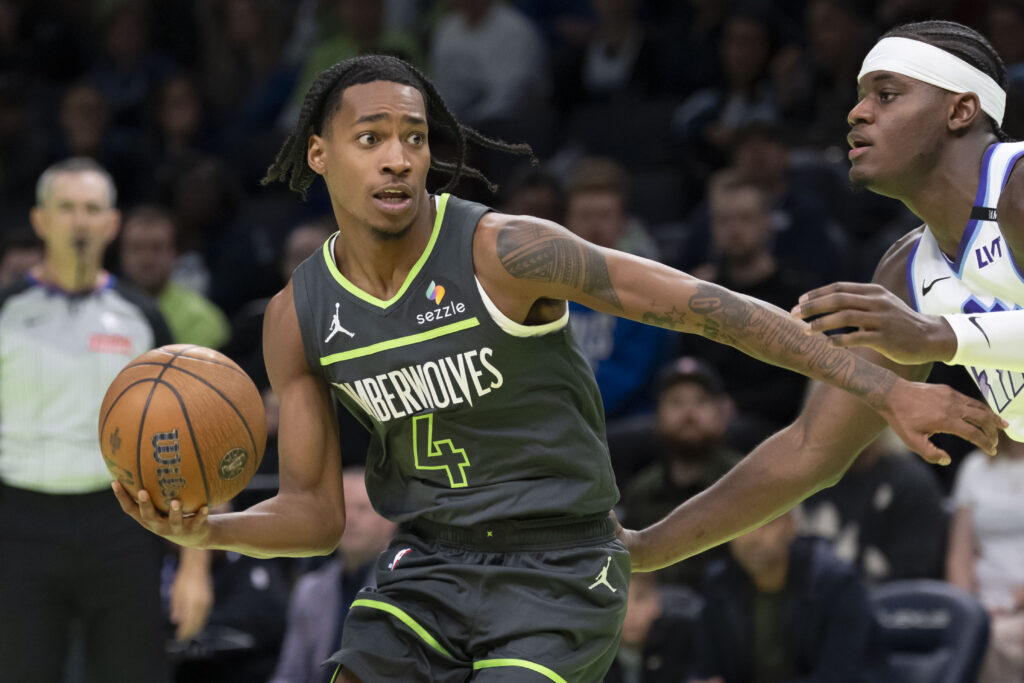
Rob Dillingham is the “wrong team, wrong time” guy. The Timberwolves are 27-16, they’re trying to win now, and they don’t have the luxury of handing a rookie guard 20 minutes just to see what happens.
He was the No. 8 pick in 2024, and the Timberwolves acquired his draft rights from the Spurs on draft night. That’s an aggressive move for a contender, which is why the current reality feels so harsh. Dillingham is averaging 3.6 points, 1.8 assists, and 1.2 rebounds in 32 games, playing only 9.8 minutes a night. He’s shooting 33.8% from the field and 35.5% from three.
The 3-point percentage is fine. The field-goal percentage is ugly. But the bigger issue is role. Dillingham is a rhythm player. He’s a small guard who needs touches, pace, and freedom to create. If he only plays in tiny bursts, he’s basically set up to look inefficient.
This is why he screams “deadline chip.” Contenders like the Timberwolves often use young prospects as a way to upgrade a veteran spot. Even ESPN flagged him as a player to watch before the deadline, and that’s no coincidence. When a team is chasing the playoffs, a sophomore who can’t crack the rotation becomes a luxury item.
The best thing for Dillingham is landing on a team that actually needs a young creator. The Hawks could give him on-ball reps. The Wizards could let him run and fail safely. The Kings could desperately use guard creation.
Dillingham’s talent didn’t vanish. The environment just doesn’t fit. If the Timberwolves can flip him for a piece that helps them now, they’ll do it. And if Dillingham can land somewhere that gives him 25 minutes and real usage, he’s going to look like a totally different player by March.
Jared McCain
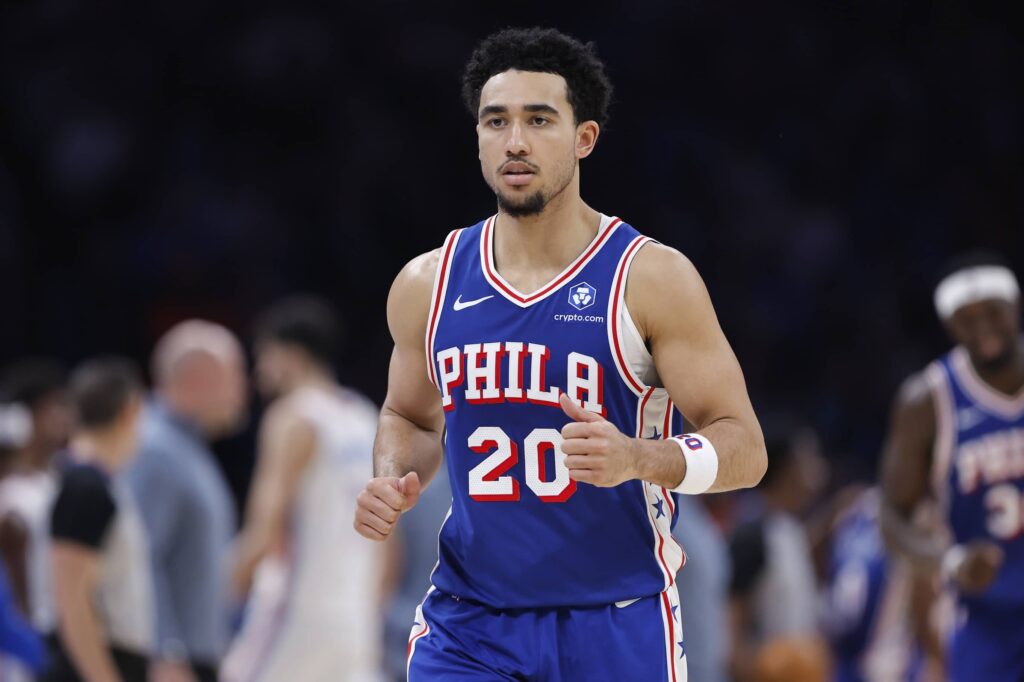
Jared McCain is the wildcard because the story isn’t only about minutes, it’s about health and context. The 76ers are 22-18, and when you’re trying to climb the East, you’re not exactly eager to live through sophomore slumps.
McCain, the No. 16 pick in 2024, is averaging 6.3 points, 2.2 rebounds, and 1.6 assists in 30 games, playing 17.3 minutes per night. He’s shooting 35.4% from the field and 32.3% from three. It’s clearly not peak efficiency, yet the skill is obvious. He can handle, he can shoot, and he’s got the confidence you can’t teach.
The complication is that he dealt with injuries that slowed his development curve. He returned to practice earlier this season after a knee injury and a thumb issue cut short his ROTY campaign. That kind of stop-start rhythm is brutal for young guards, especially on a team where the rotation already leans toward veterans and established creators.
So why would a trade help? Because McCain’s value is reps. He’s the kind of guard who gets better by playing, not by watching. On the 76ers, his role can swing wildly based on who’s healthy and what the team needs on a given night. If the team is leaning into a win-now push, they might prefer a steadier veteran bench guard. That’s not a knock on McCain, that’s the cold reality of contenders.
If the 76ers ever considered moving him, the line would be clear: only for real help. But if he’s included as part of a bigger deadline package, a rebuilding team should jump. The Wizards would love his scoring confidence. The Nets would give him full creative reps. The Jazz would turn him into a smarter, stronger version of himself.
McCain has personality, swagger, and actual scoring instincts. That’s hard to find. The only thing he needs is a stable runway and a healthy stretch of months where he can stack games and learn. If he can’t get that in Philadelphia, the deadline becomes the moment where another team takes the bet.