NBA stars often bring back the most assets or generate the most attention in trade rumors. We have seen that historically, and it will never change, at least for the most part. More so than ever, there are a handful of NBA stars who have a negative trade value, meaning the vast majority of the teams around the league will avoid striking a deal for them. In the age of social media and plenty of eyes everywhere, this is not the best situation for NBA players.
We have a list of eight NBA stars with negative trade value due to their skill sets, ugly public persona, or poor leadership skills. Based on prior reports and what we have seen so far in the 2025-26 season, these stars will likely have to ride the wave of having negative value, and their teams will suffer as a result. Let’s dive into them.
1. Ja Morant
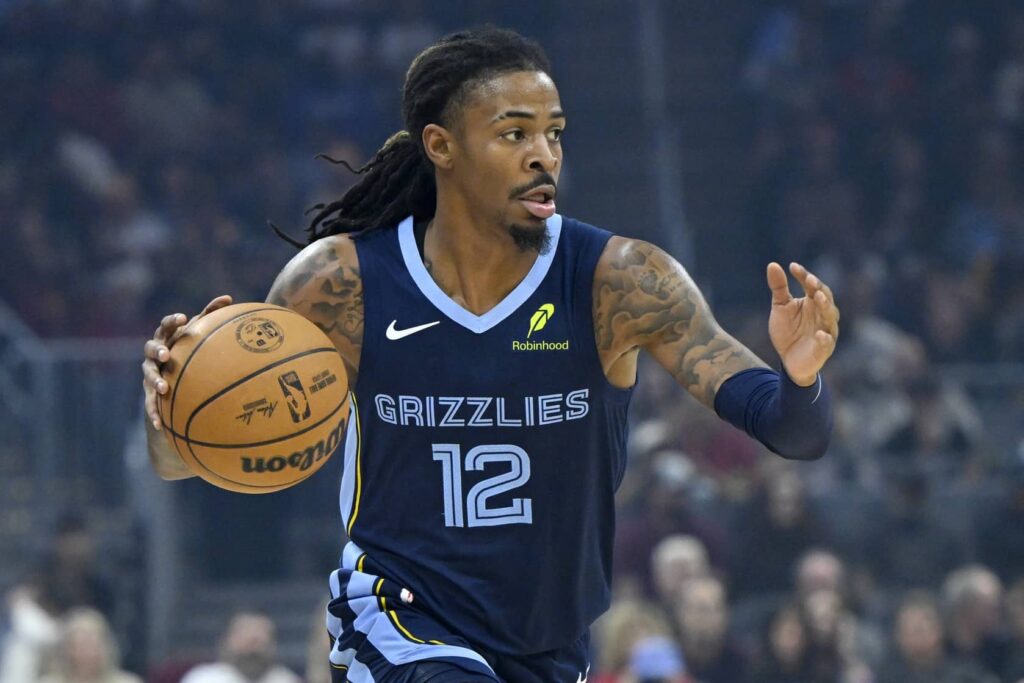
Ja Morant’s trade value hasn’t just dipped; it has fallen straight through the floor. Teams once viewed him as a franchise-altering athlete, the kind of young star you’d empty the asset cupboard for. Now, front offices see a player who can’t stay on the court, both because of recurring injuries and his own self-inflicted suspensions. His recent comments about losing the joy for the game, paired with very public tension with coaches, have only amplified the concern that he’s not in the right headspace. At 26, he should be entering his peak, but instead, he looks disconnected from the grind that usually defines elite point guards.
When you factor in the financial commitment, over $42 million due in each of the next two seasons, the picture becomes even bleaker. Teams typically overlook baggage when the talent is undeniable, but Morant hasn’t played to his old standard, and the warning signs keep stacking up. For most executives, he’s simply not worth the risk anymore. Memphis may be stuck waiting this out and hoping something clicks, because the idea of receiving meaningful assets back for Morant right now feels unrealistic.
2. Joel Embiid
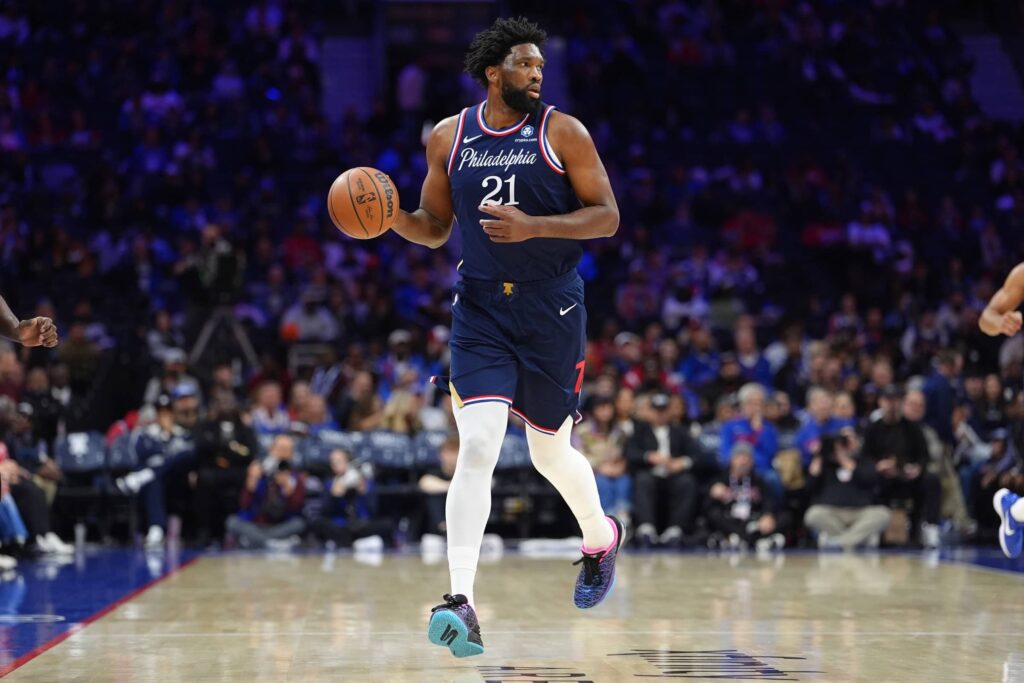
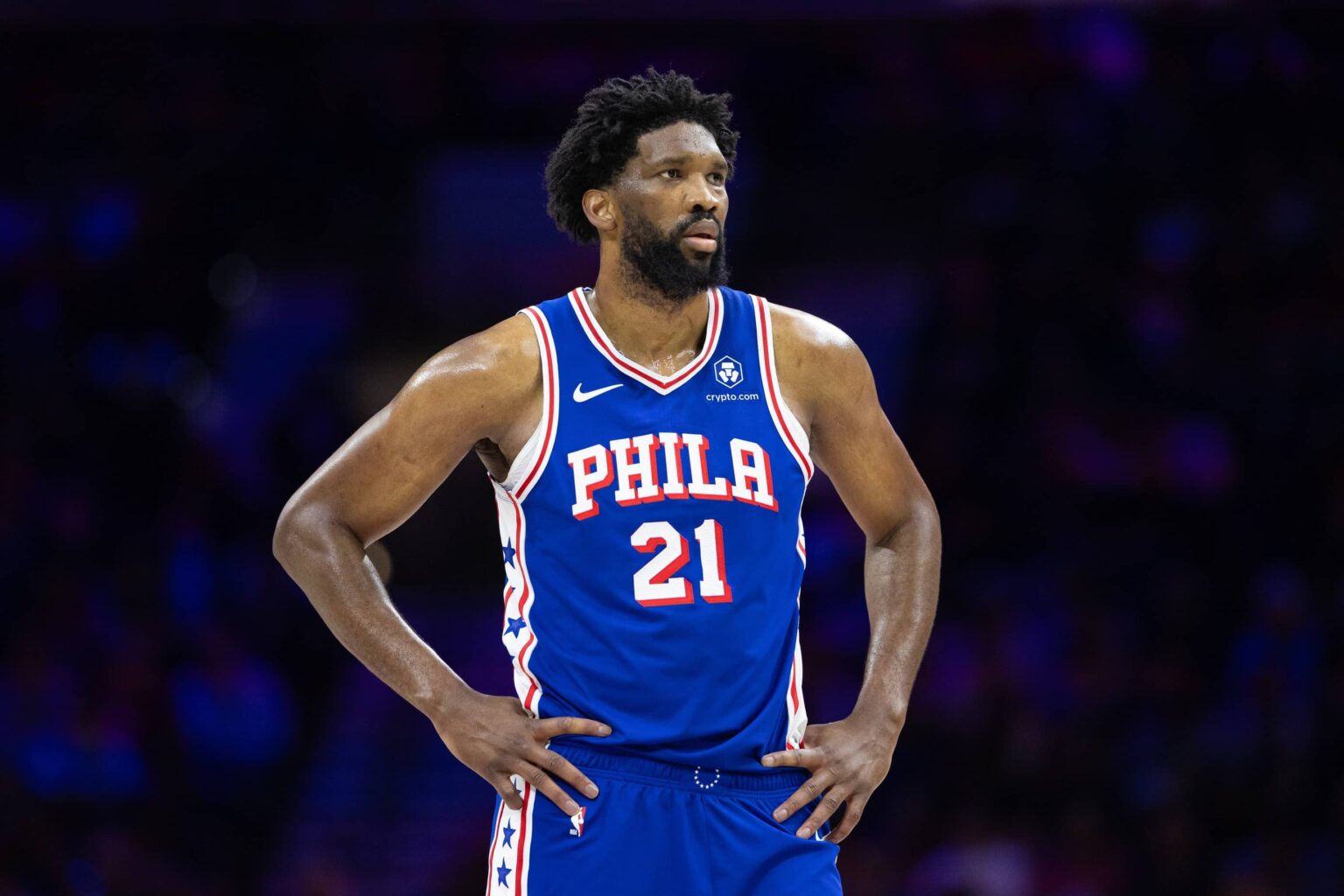
It’s becoming increasingly complex to ignore the reality with Joel Embiid: his body is breaking down, and the days of penciling him in as a long-term cornerstone are slipping away. Even with his name recognition and MVP pedigree, the math no longer works for potential trade partners. At nearly 32, big men with Embiid’s injury history don’t suddenly reverse course and become ironmen. This season has only reinforced that pattern: seven appearances, modest production by his standards, and another stretch of uncertainty about when he’ll truly be available.
Teams also can’t ignore the last few campaigns, where he managed only 39 games in 2023-24 and just 19 last season. When availability drops this drastically, the perceived value follows suit. The league has learned the hard way that depending on a star who can’t stay healthy often ends in heartbreak. Embiid’s trade value has reached the point where Philadelphia couldn’t recoup anything close to fair compensation, not because of his talent but because no one wants to inherit the constant medical roulette.
3. Kawhi Leonard
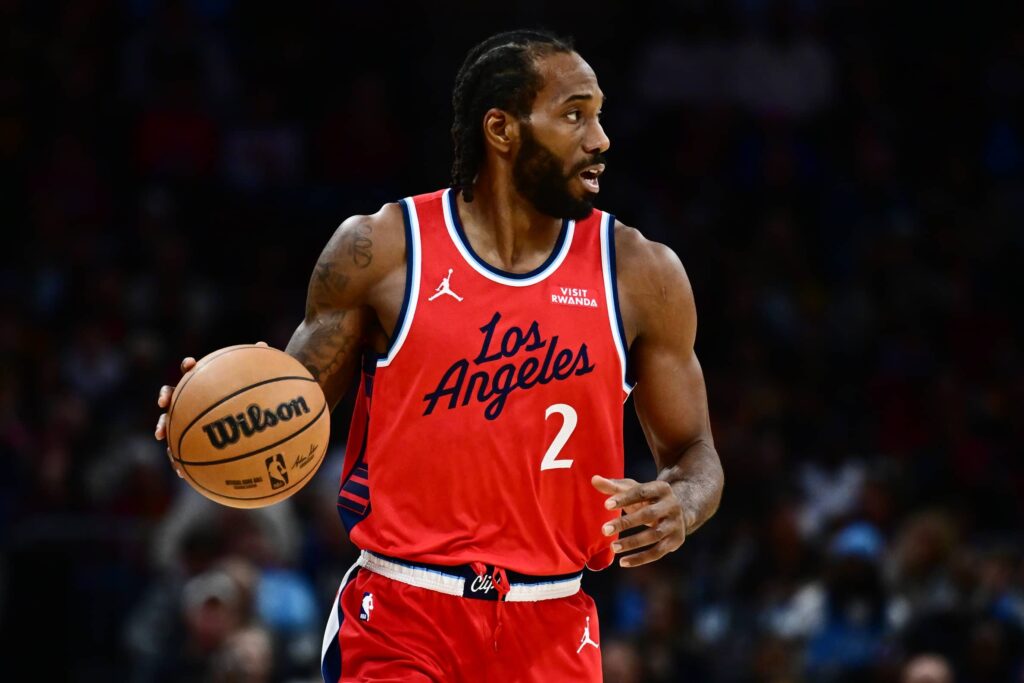
Kawhi Leonard’s time with the Clippers was supposed to yield multiple deep playoff runs; instead, it became one of the NBA’s most disappointing long-term experiments. The raw numbers are staggering: 277 games over seven seasons from a player paid and promoted as an every-night superstar. The league knows precisely what it’s getting with Kawhi: brilliance when he plays, and long stretches when he doesn’t. The inconsistency, combined with the unpredictable nature of his injuries, has eroded almost all trade optimism around him.
Complicating the picture further is his off-court history, including drama surrounding an under-the-table sponsorship deal and persistent stories about him operating on his own terms. That might be tolerated when a player dominates like the two-time Finals MVP he once was, but Kawhi hasn’t consistently reached that level in years. Teams don’t want to pay elite-tier prices for a star who isn’t a locker-room leader, isn’t particularly vocal, and may miss half the season. For the first time in his career, Leonard is closer to being a contract teams would rather avoid than one they’d fight to acquire.
4. LaMelo Ball
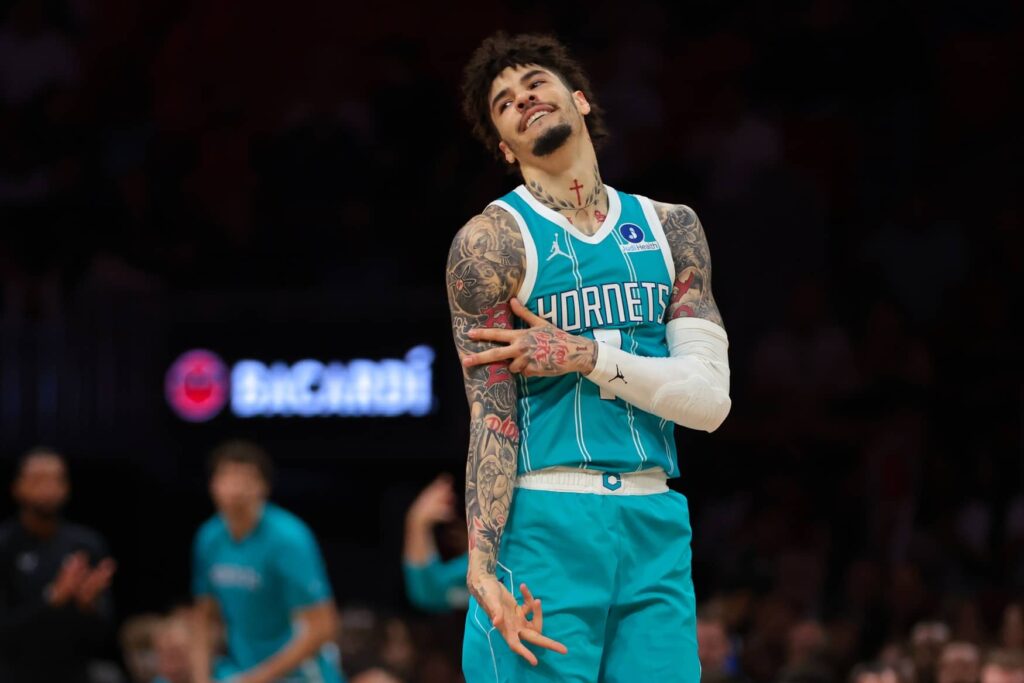
LaMelo Ball is one of the league’s flashiest guards, but his highlight-reel style has never translated into sustained winning, and frustration has been building. His talent is real; anyone can see that, but the Hornets haven’t come close to escaping the lottery during his tenure. Around the league, some question whether he has the focus or leadership skills to elevate a young roster. His off-court interests often seem to overshadow the day-to-day grind of playing for the Hornets, and teams don’t like investing max-level money in players who haven’t proven they can be the adult in the room.
Availability is another massive issue. Six seasons into his career, he’s logged just 245 total games and has had only one year where he cleared the 55-game mark. That alone slashes his value, especially when front offices already question his seriousness about winning. The idea of trading meaningful assets for a talented but unreliable point guard doesn’t appeal to anyone. Charlotte may be stuck holding onto him simply because his perceived upside no longer outweighs the risk he brings.
5. Zion Williamson
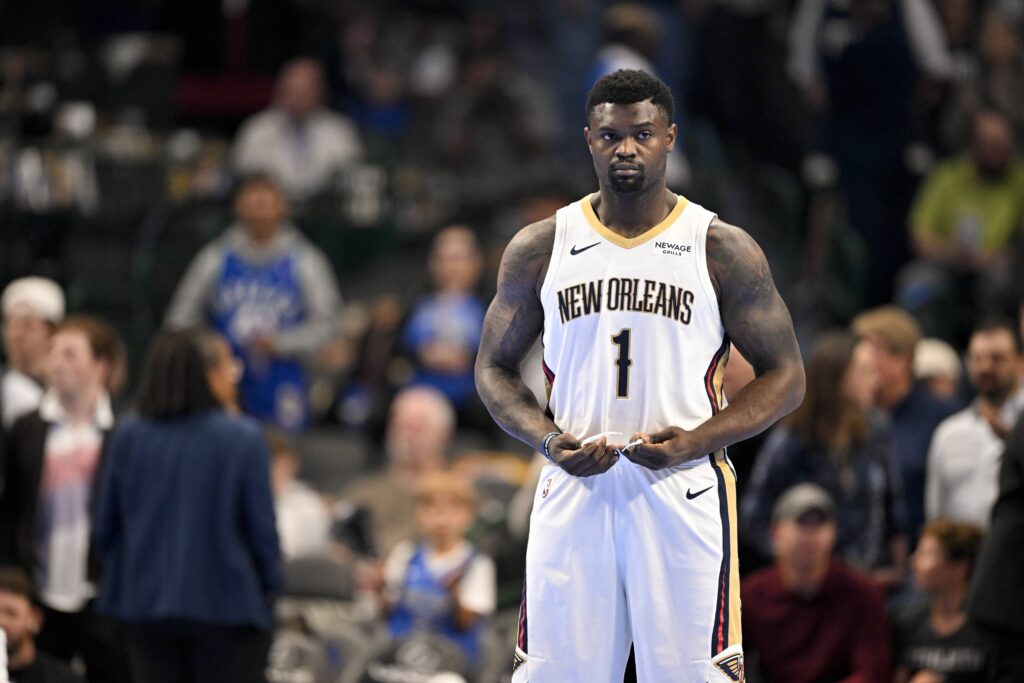
Few players in recent memory have inspired as much early hype as Zion Williamson, and few have fallen short of expectations in such a frustrating fashion. Zion was drafted as a once-in-a-generation athlete, but injuries have defined his career instead of dominance. The latest setback, a right abductor strain, adds to a growing list of issues that have kept him off the floor. Seven seasons in, he has only 224 games played, a number that would concern any front office even before factoring in questions about conditioning and long-term durability.
Teams around the league have grown wary of Zion’s habits, particularly his struggle to maintain proper weight and peak physical readiness. When he does play, he’s electric, but those flashes have become increasingly rare. Any team trading for him would be committing to a massive salary and a constant cycle of hope and disappointment. That’s not a gamble most executives are willing to take anymore, and for the first time, the idea of Zion having negative trade value feels not just possible but obvious.
6. Paul George
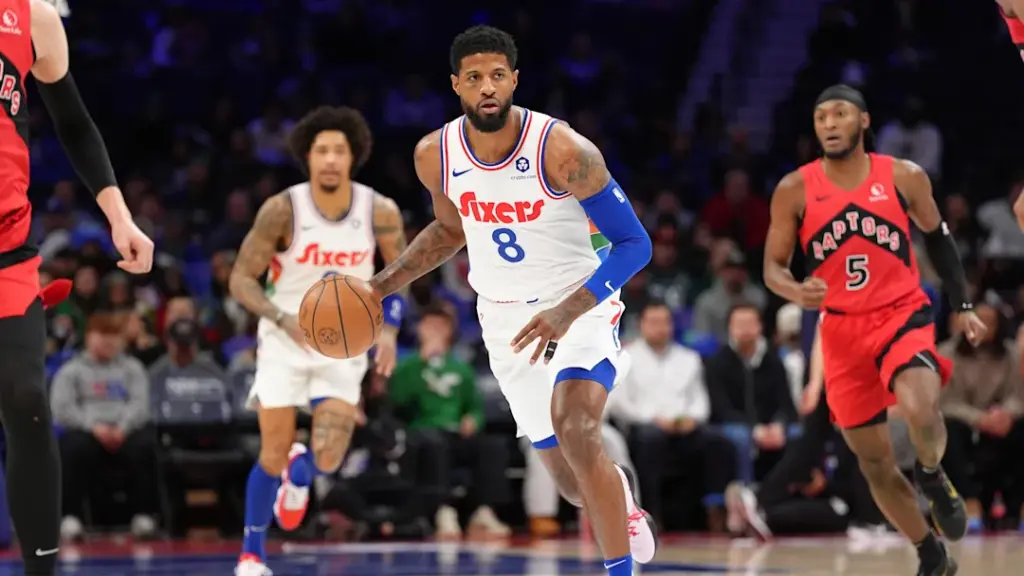
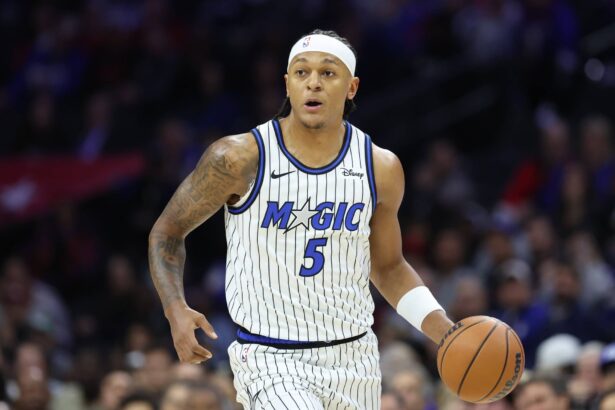
Paul George’s decline has crept up in a way that’s hard to ignore. The 76ers brought him in on a massive contract with hopes of pairing him with their stars for a fresh title push, but his body hasn’t cooperated. When a player is owed more than $54 million next season and has a $56.5 million player option looming, the Sixers expect at least borderline All-Star production. Instead, George has played just 47 games across two seasons in Philadelphia. That level of availability, tied to that kind of financial commitment, sends trade interest plummeting.
At almost 36 years old, the writing is on the wall. He no longer has the burst, durability, or nightly impact that once made him one of the league’s smoothest wing scorers. And with the league shifting toward younger, cheaper wings who can defend and hit threes, George’s contract has become one of the least desirable in the NBA. Even if Philadelphia wanted to reset, it’s hard to imagine any team volunteering to absorb that salary for a player whose best days are clearly in the rearview mirror.
7. DeMar DeRozan
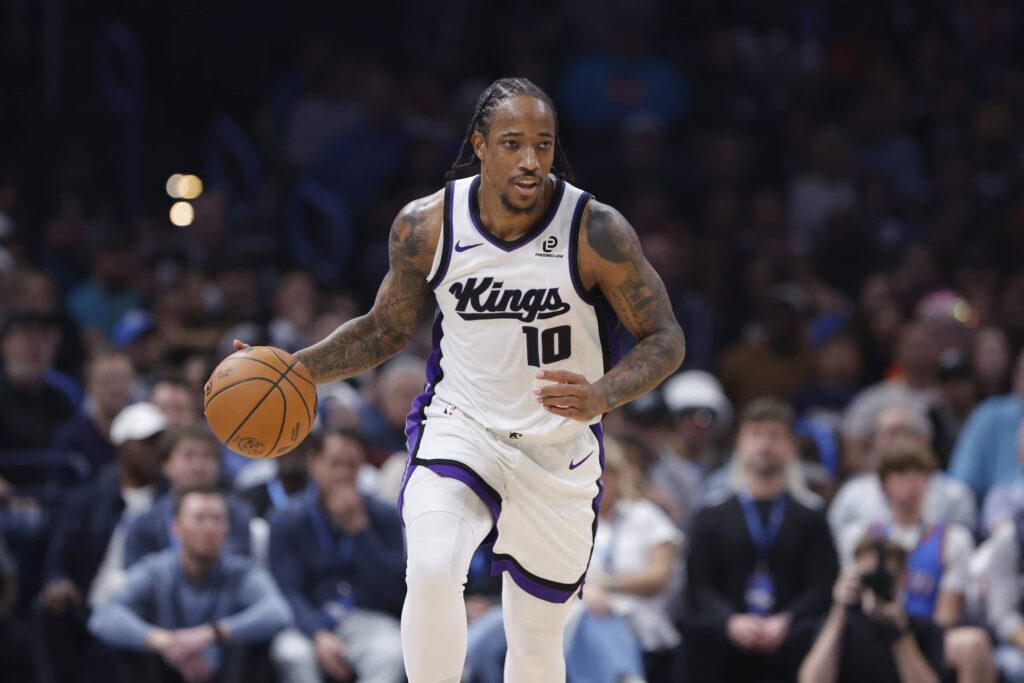
DeMar DeRozan has spent his career mastering the mid-range game, but the modern NBA doesn’t value that skill as much as it once did. At nearly 37 years old, he’s no longer the 25-points-per-night scorer who once carried offenses through isolation brilliance. His current 18.4 points per game mark his lowest output since the early stages of his Raptors days, and teams today want pace, spacing, and efficient three-point shooting, areas where DeRozan has never excelled. Age isn’t helping his case either, as he’s reached the phase where decline usually accelerates.
There’s also the lingering perception that DeRozan isn’t a winning impact player. Fair or not, his postseason struggles and inability to elevate teams in crunch time have created skepticism about his value on a contender. His contract isn’t enormous, but teams don’t want to trade assets for a veteran whose strengths don’t align with the league’s direction. Sacramento might be looking to move him even if his market has all but evaporated.
8. Bradley Beal
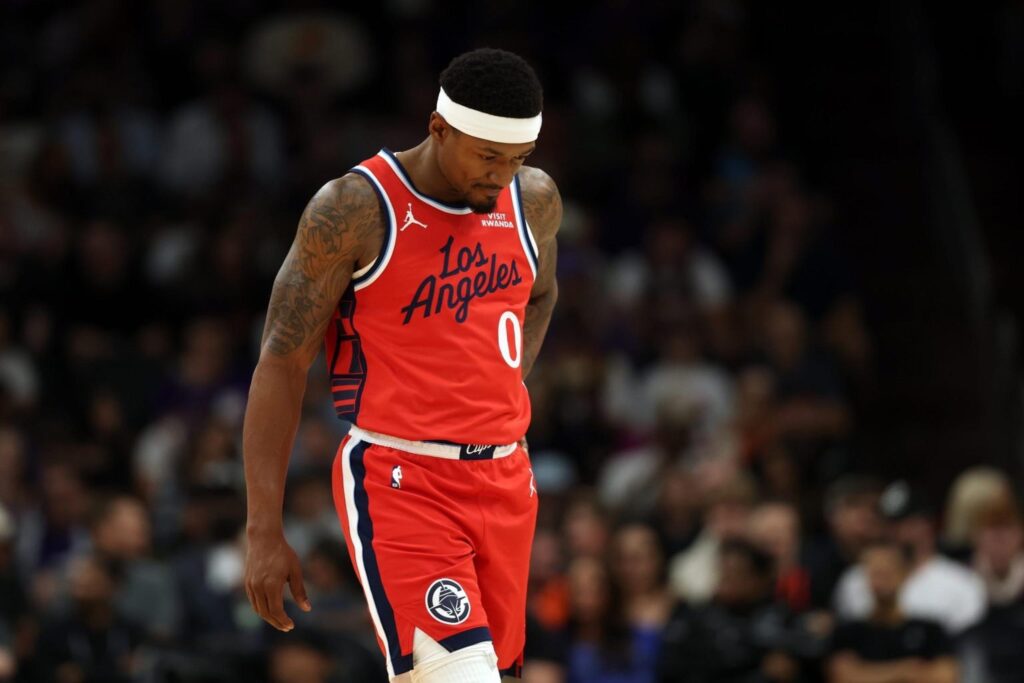
Bradley Beal’s fall from perennial All-Star to a forgotten role player has been jarring. Once viewed as one of the league’s most gifted scorers, he now looks like a player whose body can’t handle the load anymore. His stint with the Suns was underwhelming, and his move to the Clippers has been a disaster; he only played six games before a season-ending hip surgery. For a guard approaching 33, hip issues are especially alarming.
The bigger problem is that teams no longer believe Beal can return to his old form, an issue that was raised at the beginning of the season. His contract remains hefty, his availability is unreliable, and his defensive limitations become more glaring with age. Any team taking him on would be betting against nearly every trend that matters in modern roster building. At this point, Beal’s name carries more nostalgia than actual value, and his trade market is practically non-existent.